AI Summary
This article provides a comprehensive overview of digital smile design, explaining how this technology moves cosmetic dentistry from a leap of faith to a collaborative, visual process. It details the complete workflow, from 3D scanning and software mock-ups to the tangible trial smile, and discusses how this approach tests aesthetics, function, and bite before any permanent work begins. By reading this, you will understand the key factors influencing the cost, timeline, and longevity of a smile makeover in Singapore, and you will be able to decide confidently whether this technology-driven approach is right for your dental goals.
Deciding to change your smile is a significant commitment, both financially and personally. Porcelain veneers, for example, require removing a thin layer of enamel to achieve a proper fit, and once that enamel is gone, the process cannot be undone. This is why committing to treatment without seeing the result first can feel daunting.
Digital smile design changes that. Through scanning, photography, and design software, your dentist builds a preview based on your facial features, gum line, and tooth structure, so you can review the plan and request changes before any permanent work begins.
Key Takeaways
- A digital mock-up lets you see and physically try on your new smile before any permanent work starts.
- The process moves through three stages: a digital scan, a software design, and a temporary trial smile fitted in your mouth.
- A mock-up checks more than looks. It also tests speech, bite comfort and how much natural tooth structure needs to be adjusted.
- Porcelain veneers and composite bonding differ in cost, upkeep, and longevity, so the right choice depends on your goals and budget.
Why a Smile Makeover Can Feel Like a Leap of Faith
A smile makeover isn’t a standard package. What looks achievable in your mind’s eye doesn’t always match what’s possible once gum health, bone structure and bite alignment are factored in. Two patients asking for the same shade of white can end up with different treatment plans because their starting points differ.
Photos of other people’s results are also limited, since every face and tooth structure is different. A trial smile solves this by letting you see a version of the proposed design in your own mouth, so you’re working with your own features rather than someone else’s.
The Digital Smile Design Workflow
The process generally happens in three stages.
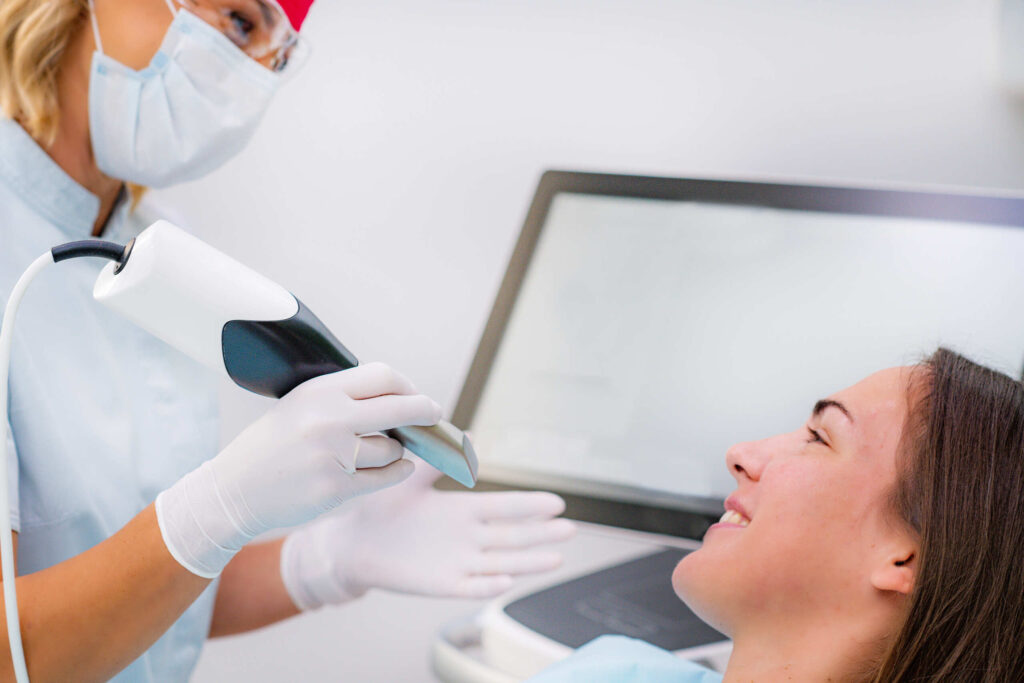
- Scan and photographic capture. An intraoral scanner records your current tooth structure without messy impressions. Photographs are then taken to study your smile line, lip movement and facial symmetry.
- Software mock-up. Using this data, the dentist maps out proposed tooth proportions, shapes and alignment on screen. This stage shapes the design around your face rather than a generic template.
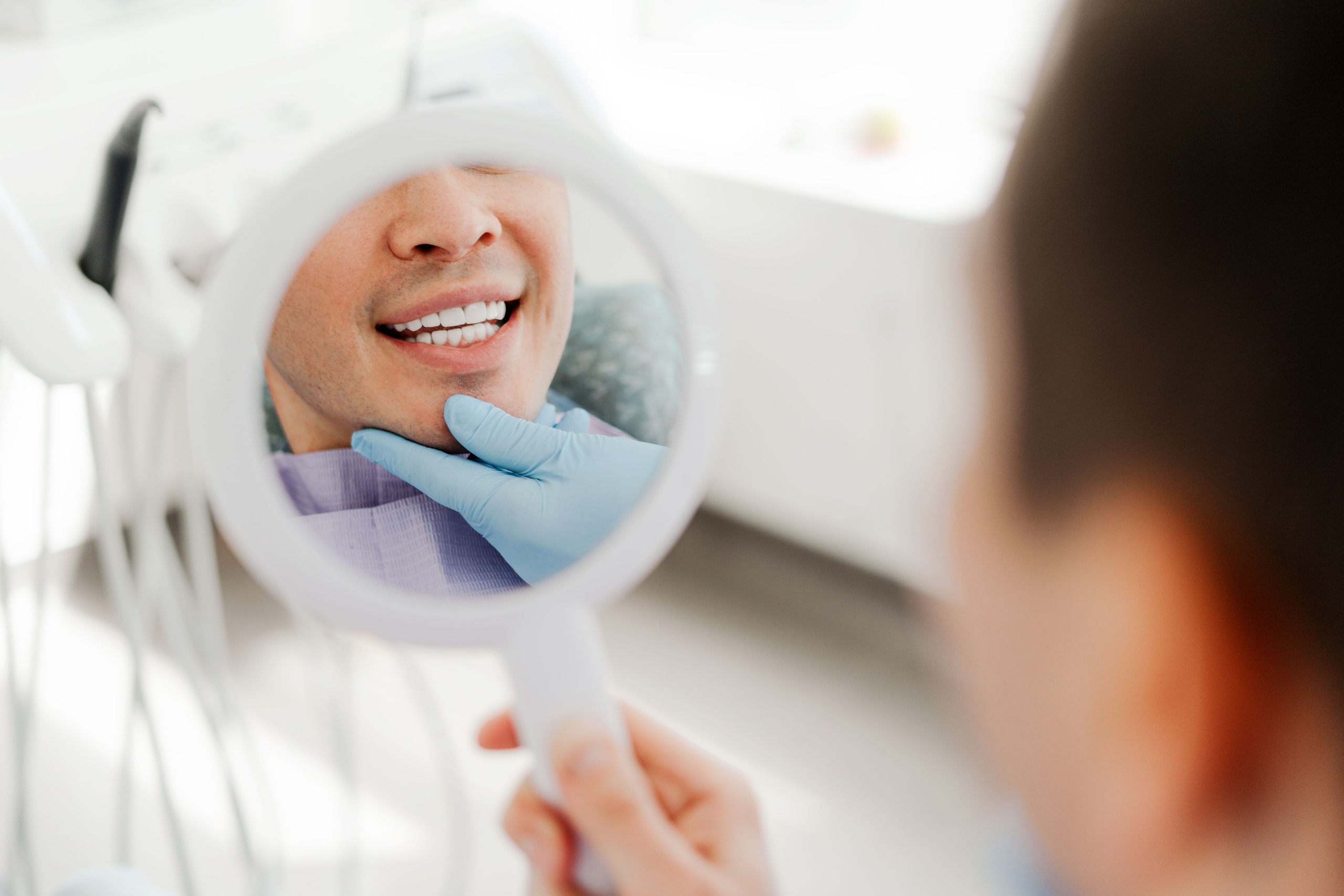
- Trial smile. The digital plan is translated into a physical mock-up, usually using temporary composite material placed directly over your existing teeth. This lets you see, feel and speak with the proposed shape before any permanent change is made.
What a Mock-Up Actually Tests
A trial smile does more than confirm looks.
You can ask for adjustments to size, shape or shade during this stage, and your dentist can show how a shade appears under different lighting.
Speech and bite are also checked. The dentist will look at whether the new shape affects certain sounds, such as “s” sounds, or whether it feels comfortable when you bite and chew.
For patients concerned about enamel wear, the mock-up helps the dentist decide whether a more conservative option, such as composite bonding, achieves the goal, or whether a more substantial option like veneers is genuinely needed. This avoids removing more natural tooth structure than necessary.
Cost, Timeline and Longevity
Several factors affect what a smile makeover costs in Singapore, including the number of teeth involved, the material used, whether gum contouring or implants are needed, and the case’s complexity.
Straightforward whitening or minor bonding sits at the lower end, while multi-tooth veneer cases or combined orthodontic and restorative work cost more.
The mock-up session itself is usually a separate, smaller fee, which some clinics credit towards the final treatment.
| Material | Typical lifespan | Maintenance |
| Porcelain veneers | Around 10 to 15 years with good care | Regular hygiene visits, avoid grinding |
| Composite bonding | Around 3 to 7 years | May need polishing or touch-ups sooner |
Timelines vary by case, so discuss a realistic schedule with your dentist based on your specific plan rather than a general estimate.
Smile Makeover vs Full Mouth Reconstruction
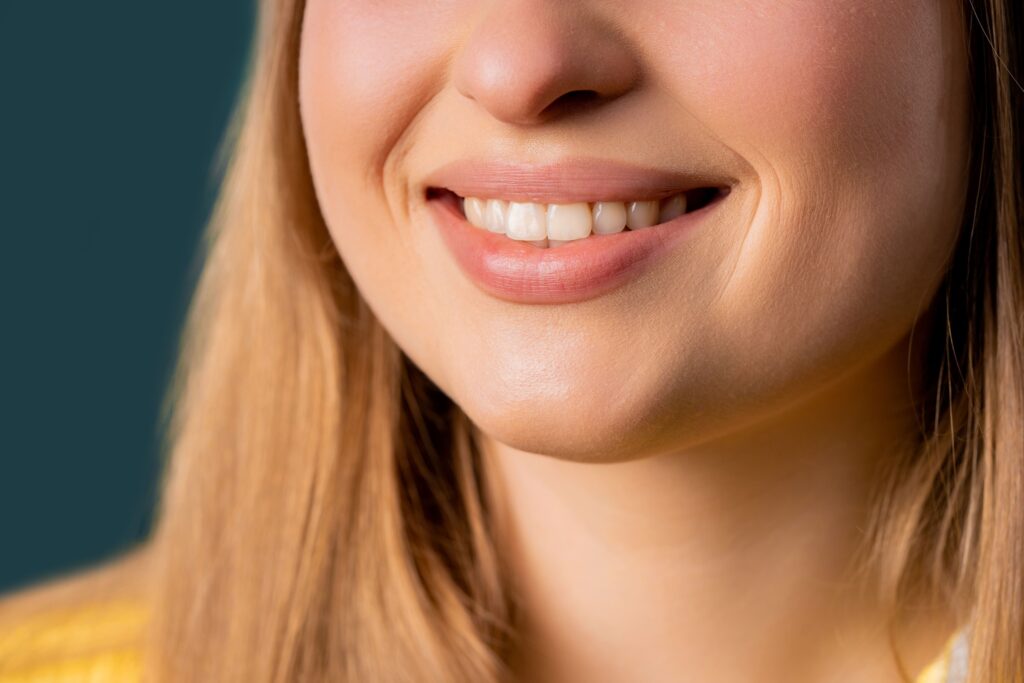
A smile makeover is usually a cosmetic-led process for patients with healthy gums and teeth who want to change colour, shape or minor spacing in the visible front teeth.
A full mouth reconstruction is a broader, function-first plan for cases involving severe wear, missing molars affecting the bite, or extensive decay, and it typically requires a more comprehensive dental exam before any design work begins.
Choosing a Clinic for Your Preview
A few questions can help you assess whether a clinic’s process matches what’s described above.
- Will I see a 3D digital model of my teeth before any treatment?
- Is the trial smile fitted in my mouth, or only shown on a screen?
- What happens if I want to request changes after seeing the mock-up?
- Can I get a full, itemised quote before deciding?
Clear answers to each of these are generally a good sign of a structured, patient-led process.
Designing for a Natural Result
A natural-looking smile isn’t uniformly white or identically shaped. Tooth shade is usually selected with reference to your skin tone and facial features, with slight hue variation that mirrors how natural enamel reflects light. Where a smile shows more gum than tooth, gum contouring can also be used alongside the tooth design to balance overall proportions.
Your Smile Makeover Starts With a Preview
At Elements Dental, digital smile design turns a one-way decision into a staged, collaborative process. The scan captures your starting point, the software design maps out proportions suited to your face, and the trial smile lets you test the result in your own mouth before committing to anything permanent.
If you’re considering a smile makeover, the only way to see an initial draft of your own design is through a consultation. Book an appointment to start with a 3D scan and digital mock-up, so you can review your options before deciding on treatment.
Frequently Asked Questions
Is the digital mock-up a real preview of my final result?
It’s a close approximation. The trial smile uses temporary material, but the shape, size and shade are used as the blueprint for the final restorations.
How much does a smile makeover cost in Singapore?
It varies widely depending on the factors above, and is usually discussed after a proper assessment. The mock-up session is typically a smaller, separate fee.
How long does the process take from start to finish?
This depends on the treatment plan and is best confirmed with your dentist, since case complexity, material choice and lab fabrication time all play a part.
Will a smile makeover affect my natural teeth?
Veneers usually require some enamel adjustment, though the digital preview helps ensure this is limited to what’s needed for the new shape. No-prep options may suit some cases.
Can I combine teeth whitening with veneers?
Yes. Whitening is often done on surrounding teeth first, and the veneer shade is then matched to that result for a consistent overall look.
What maintenance is needed afterwards?
Regular brushing, flossing and dental visits, along with avoiding habits like teeth grinding. Composite bonding may need replacement sooner than veneers, given its shorter typical lifespan.