AI Summary
This page explains why dental fillings fail and covers six warning signs, such as cracks, sensitivity, discolouration, gaps, odd taste or swelling, and looseness, that signal a filling needs review. It’s for Singapore adults noticing changes in an existing filling. It offers a clear urgency triage table plus material-specific failure patterns and realistic costs. Readers should match their symptoms to the signs, then book a same-day or routine review with Elements Dental depending on severity.
A filling that worked perfectly for years can suddenly show signs of wear. You might notice a rough edge with your tongue, or a sharp twinge when you bite down on something cold.
If you’ve had a teeth filling in Singapore for more than five years, or if you’re noticing changes in how it feels, knowing what to look for saves you from pain, cost, and a rushed emergency appointment.
This guide covers the real reasons fillings fail, the six clearest warning signs, and how to decide whether you need to see your dentist this week or can safely monitor it at home.
Key Takeaways
- Fillings can fail due to material breakdown, but also from how your teeth move, what you eat, or grinding or clenching at night.
- Six specific warning signs tell you a filling needs professional review, including cracks, sensitivity, discolouration, gaps, odd taste or swelling, and looseness.
- Government subsidies can offset review and replacement costs in Singapore.
- At-home habits and professional maintenance add years to the life of your filling.
Why Fillings Fail: The Material and Behavioural Facts
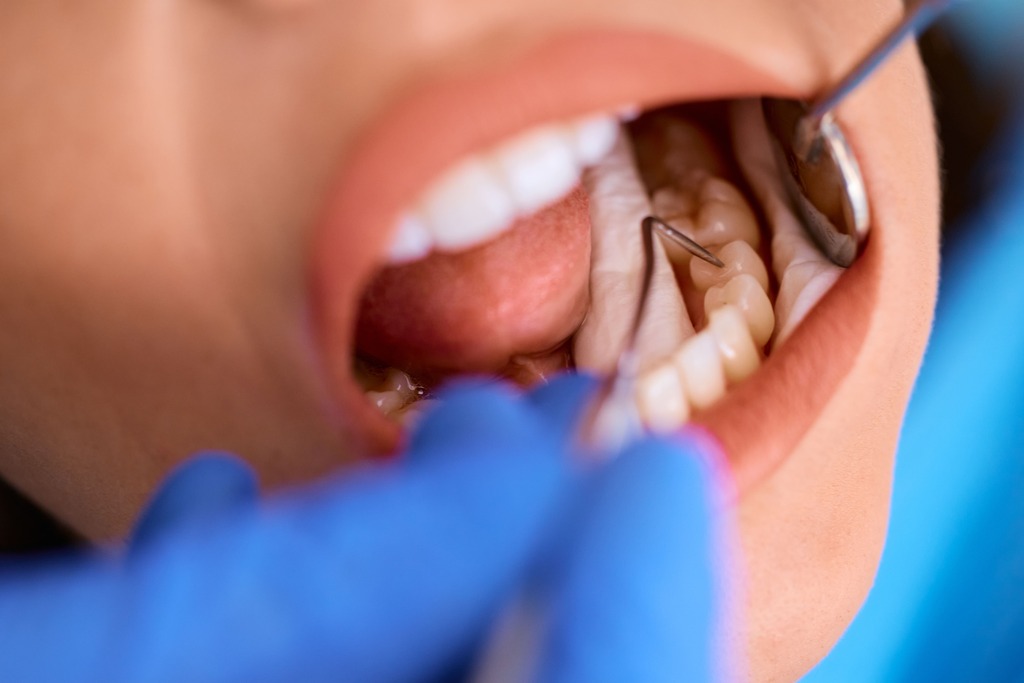
Before you can spot a failing filling, it helps to understand why they fail in the first place.
A filling is not a permanent repair. It is a patch that bonds to your tooth to seal the cavity or repair damage. Over time, that seal weakens, and the filling itself can degrade depending on what material was used and how your mouth treats it.
How Different Filling Materials Break Down
The four main types of teeth filling Singapore dentists offer each have different lifespans and failure patterns.
- Amalgam fillings (metal): The oldest and most durable option, lasting 10–15 years. It doesn’t bond chemically and expands/contracts with temperature, which can create tiny gaps that let decay creep underneath over time.
- Composite resin fillings (tooth-coloured plastic): Last 5–7 years, sometimes longer with good care. It bonds directly to the tooth but can shrink, stain, or chip, especially on chewing surfaces.
- Porcelain or ceramic inlays can last 15–20 years if the edges stay sealed, but decay develops where the edge seal deteriorates.
- Glass ionomer fillings: Often used for younger patients or baby teeth, and rarely lasts beyond 5–10 years, a softer, more temporary option that loses its seal quickly.
Non-Material Reasons Fillings Fail Early
Material choice is only part of the picture. Fillings also fail because of how your mouth behaves.
- Grinding or clenching at night (bruxism) puts intense pressure on fillings and can crack them or loosen the bond. If your dentist has mentioned you grind, or if you wake up with jaw tension, a night guard protects your fillings from excessive stress.
- Gum recession exposes the root surface beneath your filling. Fillings placed at or below the gum line are more prone to failure because the seal is harder to maintain and saliva cannot protect the edges effectively.
- Repeat decay around the filling edges is common if you do not floss or if you rinse your mouth with sugary drinks after meals. The filling itself may be intact, but decay underneath weakens the foundation.
- Trauma or impact from biting down hard on something unexpectedly (a pit in an olive, a popcorn kernel, ice) can crack a filling, especially if it is already older or if the composite has started to shrink.
- Poor preparation during the initial filling can leave microscopic gaps or undercuts that compromise the seal from day one. This is rare with experienced dentists, but a filling that fails within the first year should always be re-examined.
The 6 Warning Signs Explained
These six signs suggest your filling needs professional review. Not all of them mean an emergency, but all of them mean you should book an appointment rather than ignore them.
Sign 1: Visible Cracks or Chips on the Filling
If you can see a line or chip in your filling when you look in a mirror or feel it with your tongue, the filling’s structural integrity is compromised. Even a hairline crack allows bacteria to enter and can lead to decay underneath the filling.
What to do:
This is not an emergency, but book a review within one week. Your dentist will assess whether the crack is superficial or has reached the tooth underneath. Small chips in composite fillings are often repaired by smoothing and polishing, while larger cracks usually require replacement.
Sign 2: Persistent Sensitivity or Discomfort When Eating
A filling that is loosening or shrinking can expose a small portion of the tooth underneath. This exposes the dentin layer, which contains tiny tubes leading to the nerve. Cold food, hot drinks, acidic foods, or pressure from chewing can trigger sharp or aching pain.
Sensitivity that lasts longer than a few seconds when you remove the trigger food is a sign the filling is not sealing properly.
What to do:
Book an appointment within the week, especially if the pain is worsening or happening more often. Temporary relief from sensitivity toothpaste is possible, but it will not fix the underlying problem.
Sign 3: Visibly Dark or Discoloured Filling Edges
If you notice dark staining or a shadow line where the filling meets the tooth, bacteria may be creeping into the gap. This is particularly common with older amalgam fillings, which can corrode at the edges and create dark oxidation marks. It is also a sign of decay starting underneath the composite.
What to do:
Book a routine appointment within one to two weeks. Your dentist will check whether it is cosmetic staining or actual decay underneath. If there is decay, replacement is the only option.
Sign 4: Gaps Between Tooth and Filling
Sometimes you can actually see or feel a gap, or your tongue detects a ridge where the filling edge has pulled away from the tooth. This happens when the composite shrinks or when the bond degrades. Gaps trap food and plaque, which accelerates decay.
What to do:
Book a routine appointment within one week. Do not delay with this one, as gaps typically require replacement rather than repair.
Sign 5: Odd Taste, Smell or Swelling Near the Tooth
A metallic or chemical taste, a bad smell specifically from one tooth area, or swelling of the gum above the filling can signal decay or infection underneath. Swelling is the most serious of these signs because it may indicate the start of an abscess.
What to do:
If you have swelling, contact your dentist the same day or next day. Swelling needs urgent review to rule out infection. An odd taste or smell without swelling can be reviewed within a few days, but do not delay beyond that.
Sign 6: The Filling Feels Loose or Rough
When you run your tongue over the filling, it should feel smooth and flush with your tooth. If it feels rough, uneven, or if the filling seems to rock or move slightly, the bond is failing. A loose filling can fall out completely, especially if you are eating sticky or hard foods.
What to do:
This warrants a same-day or next-day call to your dentist. A filling that is actively loose should not be left untreated, as it can fall out without warning or deteriorate quickly underneath.
When to Book a Review: Your Triage Checklist
Not every warning sign is an emergency, but knowing which ones need urgent attention helps you make the right decision.
| Urgency Level | Warning Signs | Action | Timeframe |
| Urgent (same-day or next-day contact) | Swelling of gum or face; severe pain; filling has already fallen out; visible pus or discharge | Contact your dentist immediately or visit a walk-in clinic if your regular dentist is unavailable | Same day |
| This Week (routine booking) | Visible cracks or chips; persistent sensitivity; gaps between tooth and filling; loose but not fallen out; odd taste or smell without swelling | Book a standard appointment | Within 1-7 days, depending on symptom severity |
| Safe to Monitor for Now | Very minor sensitivity only when eating one specific food; small cosmetic staining with no pain; rough edge but no pain or sensitivity | Observe the filling daily and note any changes; use sensitivity toothpaste if needed | Monitor for 1-2 weeks; book if symptoms worsen |
Cost Expectations and Subsidy Options
Before booking, it helps to understand the general cost considerations for dental reviews and filling replacements in Singapore, along with the subsidy options that may apply to eligible patients.
Price Ranges for Review and Replacement
A dental review at a private clinic in Singapore involves a consultation fee, with additional charges if X-rays are required.
If the filling needs replacement, the cost depends on the material used, the size of the filling and the tooth location. Composite, amalgam, and porcelain inlay fillings each have different pricing tiers. Polyclinic fees are typically lower but often involve a wait of one to three weeks for non-emergency appointments. Contact Elements Dental directly for a personalised quote based on your specific clinical needs.
Government Assistance and Medisave
Singapore Citizens can use Medisave for certain surgical dental procedures, such as tooth extraction, root canal treatment, or dental implants. However, Medisave does not cover routine fillings, as they are considered non-surgical.
If cost is a barrier, check whether your employer offers dental benefits or if you qualify for Community Health Assist Scheme (CHAS) subsidies. CHAS provides subsidised dental care, including fillings, with subsidies of up to $60 per visit, for PG card holders, from October 2025, at participating clinics for eligible Singapore Citizens.
Many private clinics in Singapore accept payment plans for larger treatments, so ask when you call to book.
What Happens at Your Dental Review
Understanding the review process removes anxiety and helps you prepare.
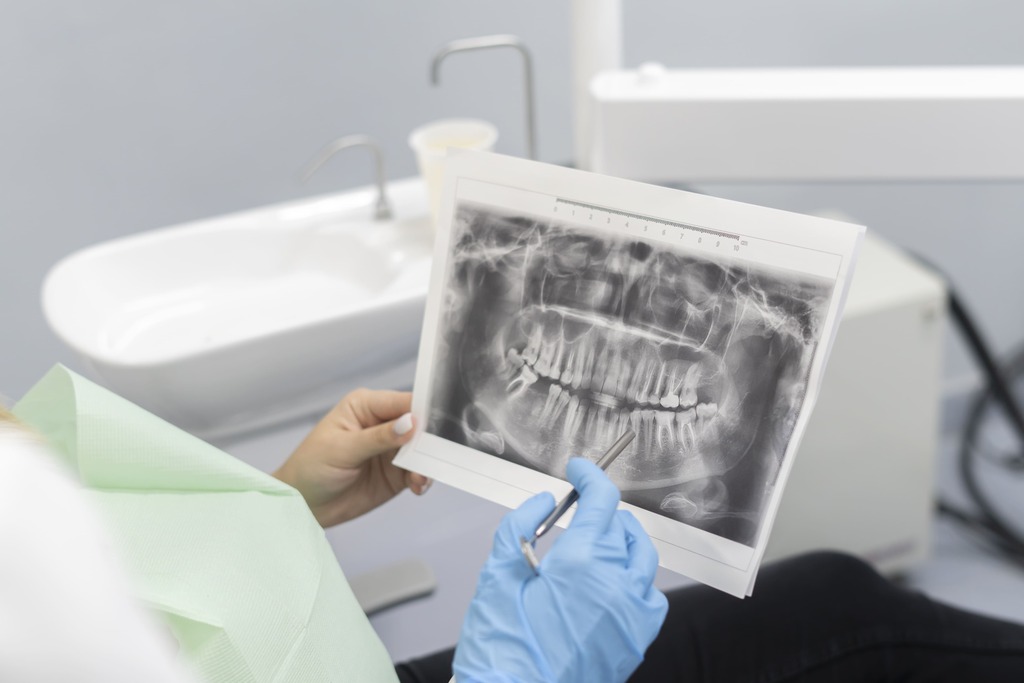
Your dentist will typically use three tools to assess a failing filling: visual inspection, tactile exploration with a probe, and X-rays.
- A visual check shows cracks, chips, dark staining, or gaps. Your dentist will also look for signs of decay or gum disease around the tooth.
- Tactile exploration involves a small metal probe to feel whether the filling edge is sealed tightly or if there is a gap. Probing also checks whether the filling is sensitive to pressure.
- X-rays (digital or traditional) reveal decay underneath the filling that is not visible to the naked eye. Digital X-rays are faster and use much less radiation than traditional film.
Your dentist may also use a moisture meter or thermal sensitivity test to check if the filling is allowing bacteria to penetrate.
Prevention: Making Your Filling Last
Once you have a filling repaired or replaced, these habits help extend its lifespan.
- Brush gently but thoroughly twice daily with a soft-bristled toothbrush and fluoride toothpaste. Aggressive brushing can wear away the edges of composite fillings over time.
- Floss every day, especially around the teeth with fillings. Plaque at the edge of a filling accelerates decay underneath.
- Avoid very hard foods or chewing on non-food items like pen caps, ice, or hard sweets. These crack fillings, especially composite or older amalgam.
- Limit acidic and sugary food and drinks. Composite fillings soften slightly in acidic environments, and sugar feeds the bacteria that cause decay at the filling edge. If you do consume acidic drinks like cordial or energy drinks, use a straw and rinse your mouth with water afterwards.
- If you grind your teeth, ask your dentist about a night guard. Grinding is one of the most common causes of filling failure. A custom guard from a dentist is more effective than over-the-counter options but costs much more.
- See your dentist for a checkup and clean every 6 to 12 months. Early detection of filling wear is far cheaper than emergency replacement or treating an infection.
Professional Maintenance
At your routine appointment, your dentist will check the edges of all your fillings with X-rays and a probe. If a filling is starting to fail but is not yet symptomatic, it can often be repaired by smoothing the edge or adding a small amount of new composite to reseal the gap. This preventive approach is less expensive and less invasive than waiting until the filling fails completely.
Polishing and scaling (cleaning) by your hygienist removes plaque that can harbour bacteria at the filling edge. This simple procedure adds years to the life of all your fillings.
Protect Your Teeth Filling in Singapore
A failing tooth filling does not get better on its own. The longer you wait, the more decay may spread underneath, and what could have been a routine repair may develop into a more complex procedure such as a root canal or extraction. Early review with your dentist helps protect both your tooth and your long-term dental costs.
If you recognise any of the six warning signs above, book a dental review this week. At Elements Dental, our team will carefully assess your filling and discuss the most appropriate solution, whether that is a repair or replacement.
We accept CHAS subsidies, Medisave claims, and payment plans, so cost doesn’t have to be a barrier.
Book your filling review with Elements Dental today. Early action saves you time, pain, and money.
Frequently Asked Questions
Is a failing filling an emergency if I’m pregnant?
For pregnant patients, elective dental filling work is often scheduled during the second trimester based on individual clinical considerations. Emergency treatment such as for an abscess or severe pain should never be delayed. Discuss timing with your dentist and obstetrician to determine what is appropriate for your specific case.
How long does filling replacement take?
Front teeth: 30–45 minutes. Back teeth (molars): 45–60 minutes. Longer if decay has spread underneath. Your dentist will estimate when you book.
If my filling falls out, how long can I wait?
Book an appointment within 24 hours. Once exposed, bacteria spread and decay deepens. Avoid eating on that side; use temporary filling material if you can’t see your dentist the same day.
Can a failing filling cause bad breath?
Yes, if decay or bacteria are growing in the gap. The smell is usually localised to that tooth. See your dentist within a few days.