Blog Dental

What to Expect Before, During, and After a Dental Extraction

If you are preparing for a dental extraction in Singapore, it is normal to feel unsure about what will happen next. Many patients want to understand what happens during dental extraction, how to prepare for it, and what to expect after tooth extraction, especially regarding recovery and discomfort.

In this guide, we’ll outline the typical experience, including preparation, the procedure itself, and recovery. Individual experiences may vary depending on the condition of the tooth and overall oral health, so a proper dental assessment is important. 

Key Takeaways

  • A dental extraction procedure in Singapore is commonly performed under local anaesthesia, and patients may feel pressure but not sharp pain during removal.
  • Preparing in advance with rest, soft foods, and proper planning may help make the dental extraction recovery period more manageable.
  • The dental extraction recovery timeline can vary depending on whether the extraction is simple or surgical.
  • Protecting the blood clot after extraction is important, as it helps reduce the risk of complications such as dry socket.
  • Following your dentist’s aftercare advice may support healing and reduce the likelihood of complications.

What Happens During a Dental Extraction
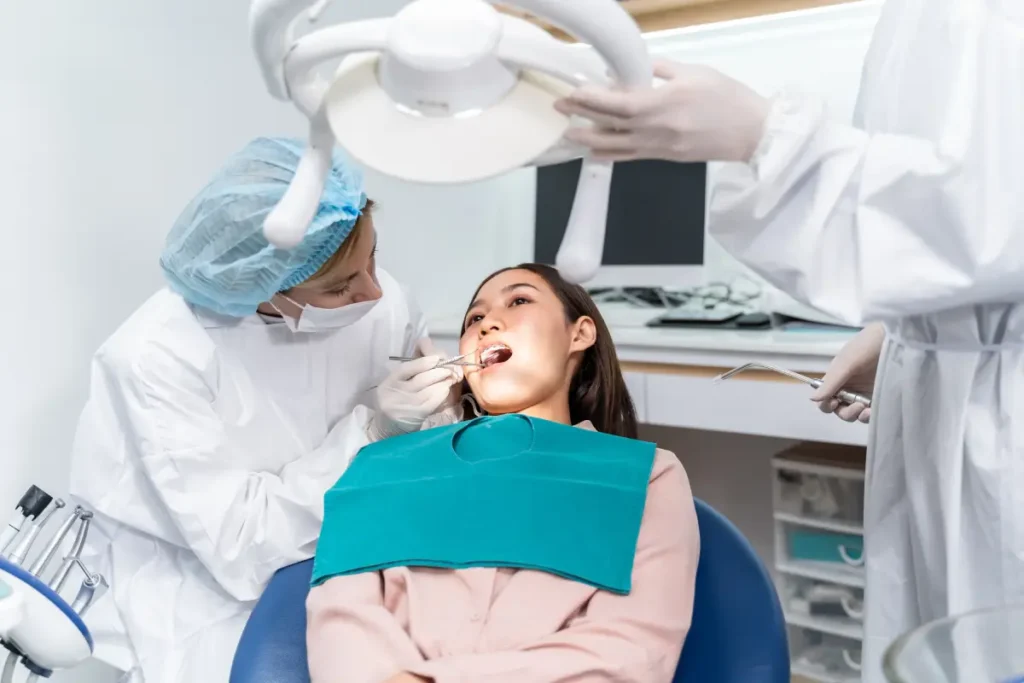
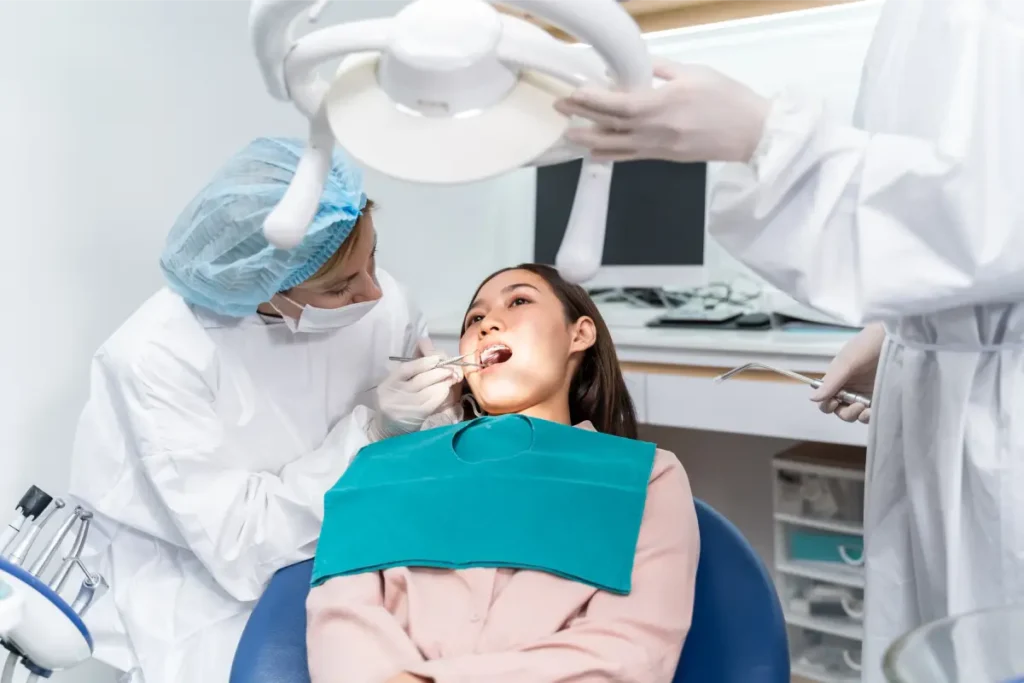
Dentist performing a dental extraction procedure on a patient, showing what to expect during tooth extraction in Singapore

A tooth extraction is generally a straightforward procedure, though the exact steps depend on the tooth’s position and condition.

Many patients report feeling movement or pressure during the procedure, rather than sharp pain. The approach used will depend on your dentist’s clinical assessment.
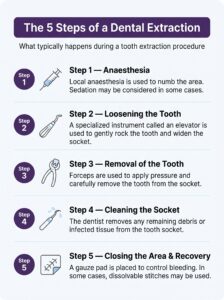
Infographic showing the five typical steps of a dental extraction: anaesthesia, accessing the tooth, removing the tooth, cleaning and closure, and controlling bleeding.

If the extraction is simple, the steps may be quicker and involve less tissue manipulation. Surgical extractions may involve additional steps, such as a small incision or tooth sectioning. Your dentist will explain the plan that applies to your case.

Simple vs Surgical Extraction: What It Means for Your Recovery

Not all dental extractions are the same. The type of procedure can influence what you may experience during recovery.

Simple Extraction

A simple extraction is usually performed when the tooth is visible above the gum.

  • No incision is required
  • The procedure is generally shorter
  • Recovery may be relatively quicker

Some patients can resume light activities within a few days, depending on their comfort and the dentist’s advice.

Surgical Extraction

A surgical extraction may be required when the tooth is not easily accessible, such as in the case of an impacted tooth.

  • A small incision may be made in the gum
  • The tooth may be divided into smaller sections
  • Stitches may be used

Because more tissue is involved, swelling and discomfort may be more noticeable.

Simple vs Surgical Extraction Recovery: What Feels Different

While both procedures aim to remove the tooth safely, the recovery experience may differ.

Aspect Simple Extraction Surgical Extraction
Pain level Usually mild May be mild to moderate
Swelling Minimal May be more noticeable
Eating May resume sooner Soft diet may be needed longer
Downtime Often shorter May require more rest
Healing Generally straightforward May require closer monitoring

Recovery varies between individuals, and your dentist will provide guidance based on your specific case.

How to Prepare for Dental Extraction

Preparation can influence how comfortable the recovery process feels.

Preparing for a Simple Dental Extraction

  • Plan a lighter schedule for the day
  • Prepare soft foods in advance
  • Avoid physically demanding activities immediately after

These steps may help you rest and recover more comfortably.

Preparing for a Surgical Dental Extraction

Surgical extractions may require more preparation.

  • Plan Your Recovery Time: Setting aside time to rest may help reduce strain during the initial recovery period.
  • Prepare Your Diet in Advance: Soft and easy-to-eat foods such as porridge, yoghurt, and soup are commonly recommended.
  • Follow Clinical Instructions Carefully: If sedation is planned, your dentist may provide fasting instructions. These should be followed closely to reduce potential risks.

Dental Extraction Recovery Timeline: What to Expect Each Day

The dental extraction recovery timeline can vary, but many patients experience the following general pattern.

First 24 Hours

  • Blood clot forms at the extraction site
  • Mild bleeding may occur
  • Rest is recommended

Days 2 to 3

  • Swelling may become more noticeable
  • Discomfort may persist
  • Soft foods are usually preferred

Days 4 to 7

  • Swelling may begin to reduce
  • Discomfort often improves
  • Eating may become easier

After One Week

  • Many daily activities can be resumed
  • Healing continues over time

Recovery time varies depending on the complexity of the extraction and individual health factors.

Post-Extraction Care: What You Should Do for Proper Healing

After a tooth extraction in Singapore, care is focused on protecting the extraction site and supporting healing.

What to Avoid After Tooth Extraction

Man smoking outdoors, illustrating what to avoid after a dental extraction to support healing

  • Smoking or vaping
  • Using a straw
  • Vigorous rinsing or spitting
  • Touching the extraction site

These actions may disrupt the blood clot and increase the risk of complications.

What to Eat After a Dental Extraction

Diet is an important part of recovery.

Commonly recommended foods include:

  • Porridge or congee
  • Yoghurt
  • Scrambled eggs
  • Mashed vegetables
  • Lukewarm soups

Foods often avoided during early recovery include:

  • Hard or crunchy foods
  • Spicy or acidic foods
  • Very hot drinks
  • Foods with small particles

Your dentist may provide more specific dietary advice based on your condition.

Pain, Dry Socket, and What Is Normal After Extraction

Some discomfort after a dental extraction is expected, but symptoms can vary.

Normal Post-Extraction Pain

Mild to moderate soreness may occur after the anaesthesia wears off.

What Is Dry Socket

Dry socket can occur if the blood clot at the extraction site is lost too early.

Symptoms That May Require Attention

  • Increasing or severe pain
  • Unpleasant taste or odour
  • Pain spreading beyond the extraction site

If you experience these symptoms, it is advisable to contact your dental clinic.

Common Recovery Mistakes That May Delay Healing

Certain behaviours may affect healing after a dental extraction.

  • Returning to strenuous activity too early
  • Eating hard or unsuitable foods
  • Smoking during the healing period
  • Not following aftercare advice

Avoiding these may help reduce the risk of complications.

When to Contact a Dental Clinic in Singapore

While many recoveries are uneventful, some symptoms should be reviewed by a dentist.

  • Persistent bleeding
  • Increasing swelling or pain
  • Fever or signs of infection
  • Difficulty opening the mouth

Early assessment may help prevent further complications.

Unsure If You Need a Dental Extraction in Singapore

If you are unsure whether your tooth can still be saved with treatments such as a filling, crown, or root canal, it is advisable to seek a professional evaluation.

A dental assessment allows your dentist to recommend options based on your individual condition.

Dental Extraction Aftercare and Recovery Support in Singapore

Recovering from a dental extraction procedure in Singapore involves understanding what to expect and following appropriate aftercare guidance. Each patient’s experience may differ, depending on the type of extraction and overall oral health.

At Elements Dental, we support patients by explaining treatment options, outlining what to expect after tooth extraction, and providing guidance tailored to individual needs. If you are considering a dental extraction or would like to better understand your condition, you may arrange a consultation for a clinical assessment and personalised advice.

Frequently Asked Questions

Can I brush my teeth on the day of extraction

You may brush your teeth, but it is generally advised to avoid the extraction site initially and follow your dentist’s guidance.

Is it normal to feel tired after a dental extraction

Some patients may feel tired after the procedure, particularly if sedation is used or if the procedure was complex.

Can I drink cold beverages after extraction

Cold beverages are usually acceptable, but using a straw is often discouraged during early recovery.

Will stitches need to be removed after extraction

Some stitches dissolve on their own, while others may require removal depending on the material used.

How soon can I return to exercise after extraction

Light activity may be resumed depending on comfort, but strenuous exercise is often delayed based on your dentist’s advice.

Note: This article is intended for general educational purposes and is not a substitute for professional dental advice. A clinical assessment is needed before any treatment decision is made.
Blog

Different Tooth Replacement Options: Which One Is Right For You?

Losing a tooth can impact your life in many ways. Beyond the immediate aesthetic change to your smile, missing teeth can alter the way you speak, limit the types of foods you can comfortably chew, and even lead to changes in your face shape.

When a tooth is lost, the surrounding teeth tend to shift or tilt into the vacant space, which can disrupt your bite alignment and alter your facial profile. Furthermore, the jawbone in the area of the missing tooth naturally begins to resorb, or shrink, because it is no longer receiving the stimulation of chewing forces.

Fortunately, dentistry offers several tooth replacement methods to restore your mouth’s function and the appearance of your smile.

Finding the appropriate solution requires a clear understanding of the available options and a thorough clinical evaluation of your oral condition. Our dental guide will walk you through the various pathways for restoring a complete smile, helping you understand the choices that may be presented to you during a consultation.

Key Takeaways

  • Replacing missing teeth is essential for maintaining proper bite alignment and preventing the surrounding teeth from shifting or tilting.
  • Tooth replacement options range from permanent fixed solutions, such as dental implants and bridges, to removable prostheses, such as partial or full dentures.
  • The success of implant-based treatments depends heavily on sufficient jawbone density to support the titanium post during osseointegration.
  • While traditional bridges provide a stable chewing surface, they require the permanent reduction of enamel on the adjacent healthy anchor teeth.
  • Advanced restorative methods, such as the All-on-4 technique, allow for full-arch rehabilitation, restoring essential functions such as eating and speaking for those without any natural teeth.

Factors to Consider for Choosing Tooth Replacement Options

Selecting a tooth replacement option is not a decision where one size fits all. Every patient presents a unique combination of oral anatomy and personal goals.

During an assessment, several factors are evaluated to determine the most viable clinical pathways for your care. These include the following:

How Many Teeth Are Missing?

The number and location of your missing teeth are among the first factors a clinician will assess.

  • If you are missing a single tooth, treatment may involve a dental implant, a conventional bridge, or, in selected cases, a resin-bonded Maryland bridge.
  • If you are missing several teeth in a row or in different parts of the mouth, the treatment approach may be different.
    • Larger gaps may be restored with multi-unit bridges, partial dentures, or implant-supported options.
    • For patients who have lost all of their natural teeth in one arch, full-arch rehabilitation becomes the main focus.

The number of missing teeth helps determine which restorative options can best support function, comfort, and long-term oral health.

Is There Sufficient Bone Support for Implant-Based Options?
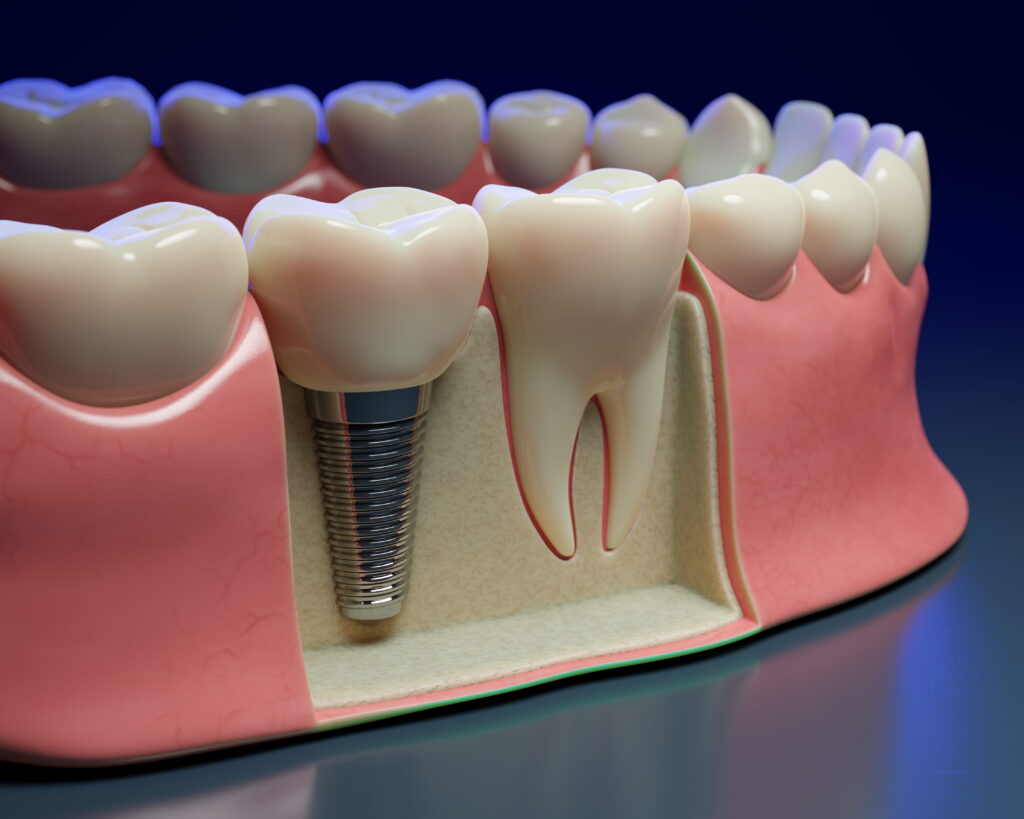
a model view of a dental implant imbued within a patient's bone, a type of tooth replacement

Implants require healthy bone to anchor securely. Over the healing period, the surrounding bone fuses with the titanium implant through a process called osseointegration.

If you don’t have enough bone in your jaw, there may not be enough tissue to support an implant.

If bone volume is insufficient, you might need a supplemental procedure like a bone graft or a sinus lift before an implant can be considered, or you may need to look toward non-implant alternatives, such as removable dentures. 

Do You Need a Removable or Fixed Prosthesis?

Patients may prefer whether their replacement teeth are permanently fixed or removable.

  • Fixed options, such as implants and bridges, remain in the mouth at all times and are cleaned similarly to natural teeth.
  • Removable prostheses, such as partial or complete dentures, are taken out for cleaning and are often removed while sleeping.

Some patients prefer removable options because they generally do not require surgical treatment and may involve shorter treatment timelines. Others may prefer fixed options because they tend to feel more like natural teeth. Among fixed options, dental implants also help preserve jawbone by replacing the tooth root.

Does the Tooth Need to be Replaced or Simply Restored?

Sometimes, a tooth doesn’t need to be replaced. It might be a severely damaged tooth that is still partially present.

If the root of your tooth is still healthy and firmly anchored in the bone, it may not need to be extracted and replaced.

In clinical dentistry, the primary goal is always to preserve natural tooth structure whenever possible. If the tooth has suffered from a deep cavity or a large fracture but the foundation remains solid, a crown might be used to rebuild the tooth.

Extraction followed by complete tooth replacement is reserved for situations in which the tooth cannot be saved by any conservative means.

Do You Want Existing Teeth To Be Altered?
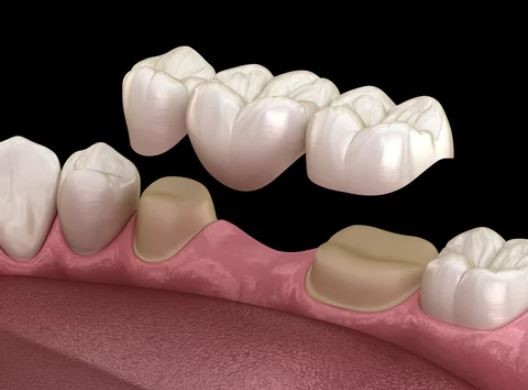
A bridge mounted on two adjacent crowns, a type of tooth replacement option

Certain tooth replacement methods require altering the teeth adjacent to the empty space.

For example, a traditional dental bridge relies on the teeth on either side of the gap to act as anchors. To place this bridge, the dentist must prepare or reduce the enamel of these healthy anchor teeth to fit protective crowns.

If you prefer to leave your remaining natural teeth completely untouched, a dental implant is the preferred route. Implants are self-supporting and do not rely on adjacent teeth for stability.

Tooth Replacement Options for a Single Missing Tooth

When only one tooth is missing, the goal is to fill the space while protecting the health of the surrounding structures. There are a few tooth replacement options for this:

Dental Implant

A dental implant is a titanium post surgically placed in the jawbone to serve as an artificial tooth root.

After a healing period of several months, during which the bone fuses to the post, an abutment is attached, followed by a custom-made crown that mimics the visible part of a tooth.

This method provides the patient with a replacement that functions like a natural tooth, and it does not require alteration of the adjacent teeth. It also provides the necessary stimulation to the jawbone to prevent bone resorption.

Bridges Anchored to Existing Teeth

A traditional dental bridge consists of one or more artificial teeth, known as pontics, which are held in place by dental crowns secured to the natural teeth on either side of the space.

This option provides a fixed, stable chewing surface and can often be completed more quickly than implant treatment. However, it requires tooth preparation of the adjacent teeth, which is the permanent reduction of the healthy enamel on the adjacent anchor teeth. This is done so that the anchoring crowns fit snugly onto the adjacent teeth.

Cantilever Bridge

A cantilever bridge is similar to a traditional bridge, but the pontic is supported on only one side by one or more anchor teeth.

This option is used when healthy teeth are only present on one side of the open space.

Maryland Bridge
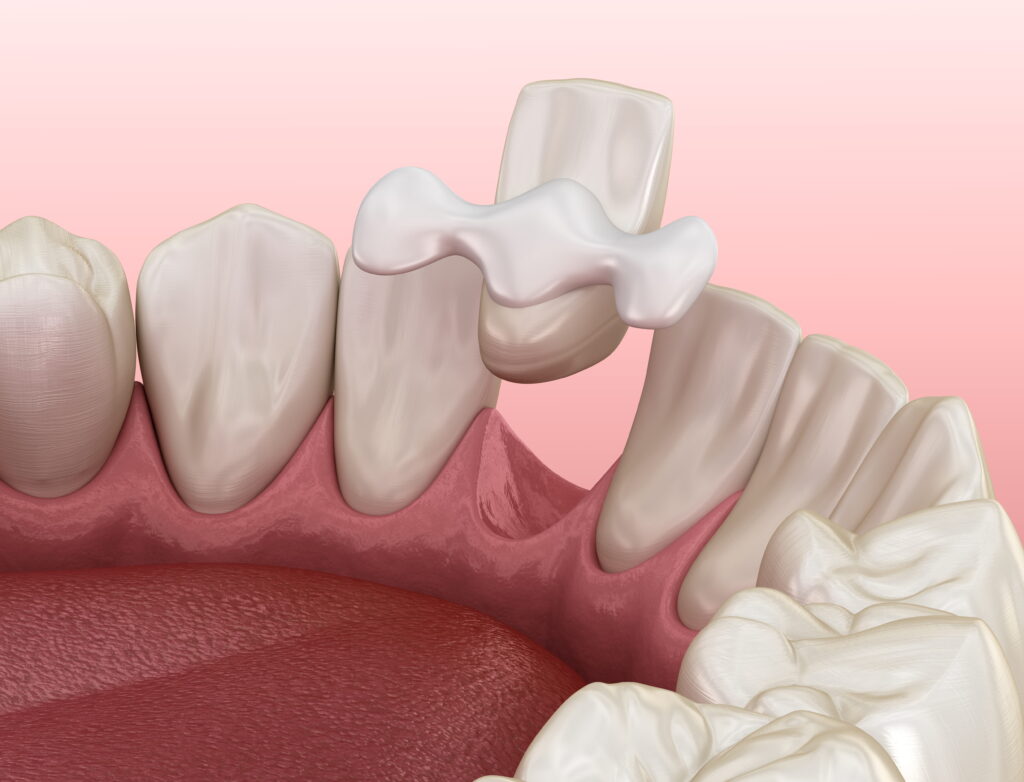
A front crown mounted in place with a maryland bridge, a kind of tooth replacement option

A Maryland bridge, or a resin-bonded bridge, utilises metal or porcelain wings attached to the back of the artificial tooth. These wings are bonded directly to the back surfaces of the adjacent natural teeth.

This option requires minimal preparation or reduction of the adjacent teeth, making it a highly conservative choice. It is primarily used for missing front teeth where the biting forces are relatively light.

Tooth Replacement Options for Multiple Missing Teeth

If you are missing multiple teeth but still have several healthy, natural teeth remaining, the following options can help restore function to your mouth:

Removable Partial Dentures
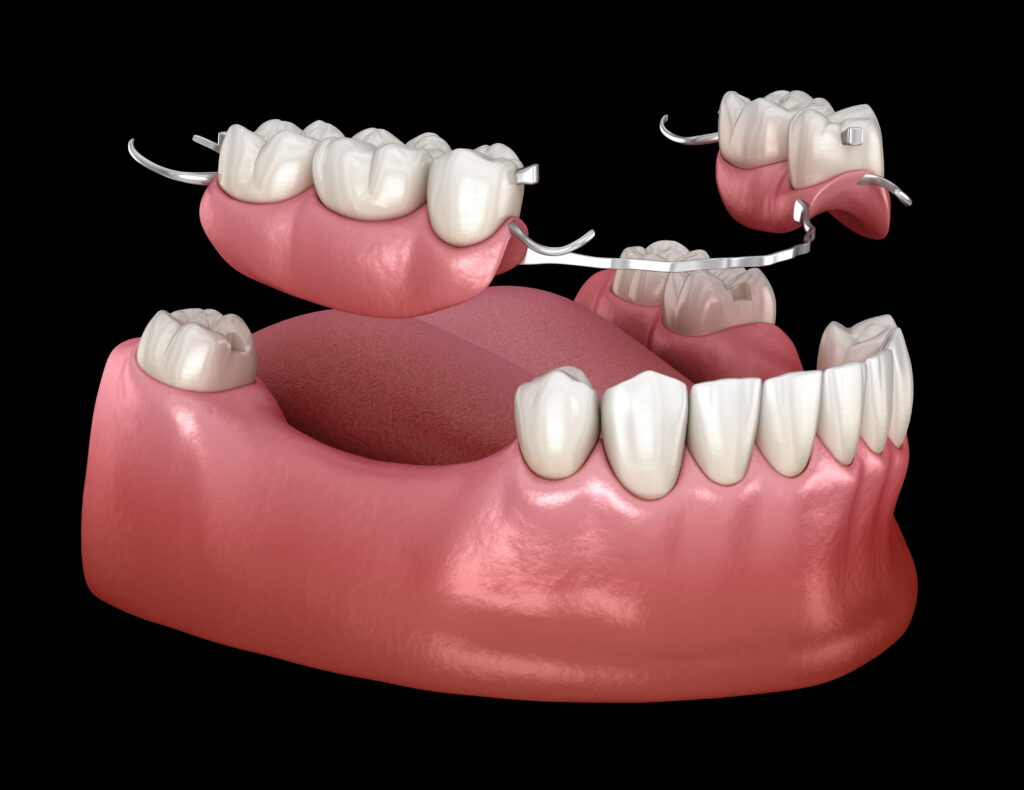
removable partial dentures, a tooth replacement option if the patient is missing multiple teeth

A removable partial denture consists of replacement teeth attached to a pink or gum-colored plastic base, which is sometimes supported by a metal framework that holds the denture in place inside the mouth.

These dentures often utilise metal or tooth-colored clasps that hook onto your natural teeth for stability.

They are adaptable and can replace multiple missing teeth in different areas of the same arch.

Bridges Anchored to Existing Teeth

For patients missing two or more teeth in a direct row, a longer dental bridge can be fabricated.

Just like a single-tooth bridge, it uses the natural teeth at the ends of the empty space as anchors to hold a continuous line of replacement teeth.

Bridges Anchored to Implants

If you are missing multiple adjacent teeth and do not have strong natural teeth available to act as anchors, or if you wish to avoid altering your existing teeth, an implant-supported bridge may be used.

In this scenario, implants are placed at the ends of the gap, and a bridge is secured on top of them, spanning the space without involving natural teeth.

Tooth Replacement Options for Those Without Existing Teeth

For patients who have lost all their natural teeth in the upper or lower jaw (also known as full-arch edentulous patients), the goal is full-arch rehabilitation to restore basic life functions such as eating and speaking.

Restorative options for these patients include the following:

Full Removable Dentures
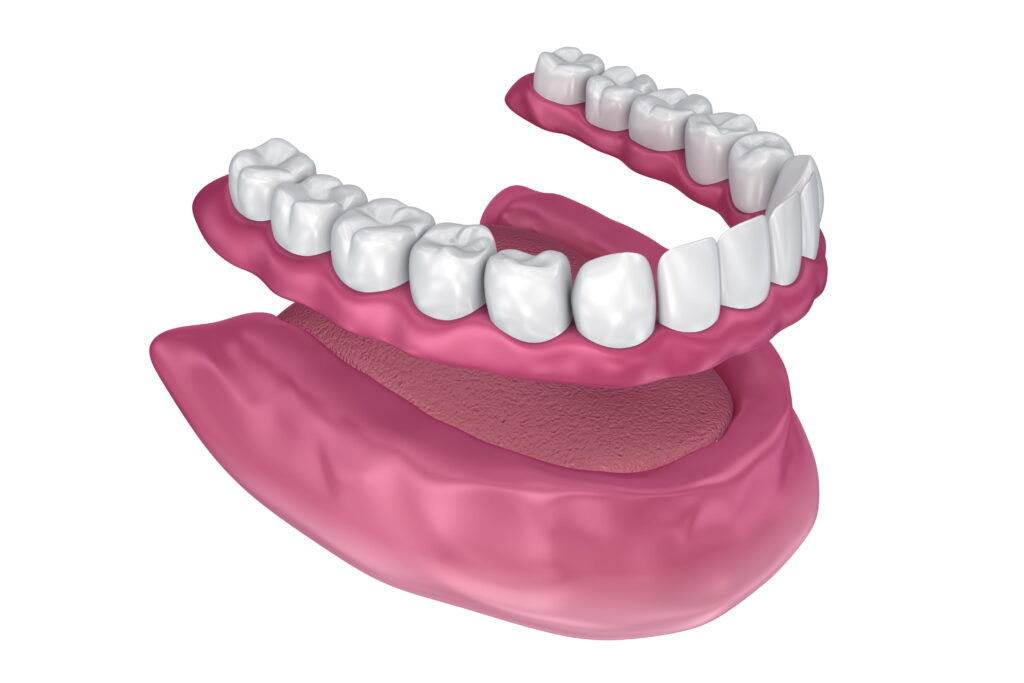
full removable dentures that attach to the patient through suction, a kind of tooth replacement option if the patient is missing all their teeth on one arch

Full dentures are a complete set of artificial teeth attached to a base that rests over the gums.

They are custom-made to fit your mouth, and their retention may come from the fit of the denture itself and, in some cases, denture adhesive.

While they are a common non-surgical option for replacing all teeth, some patients may find that full dentures feel less stable during eating or speaking than fixed alternatives.

All-on-4
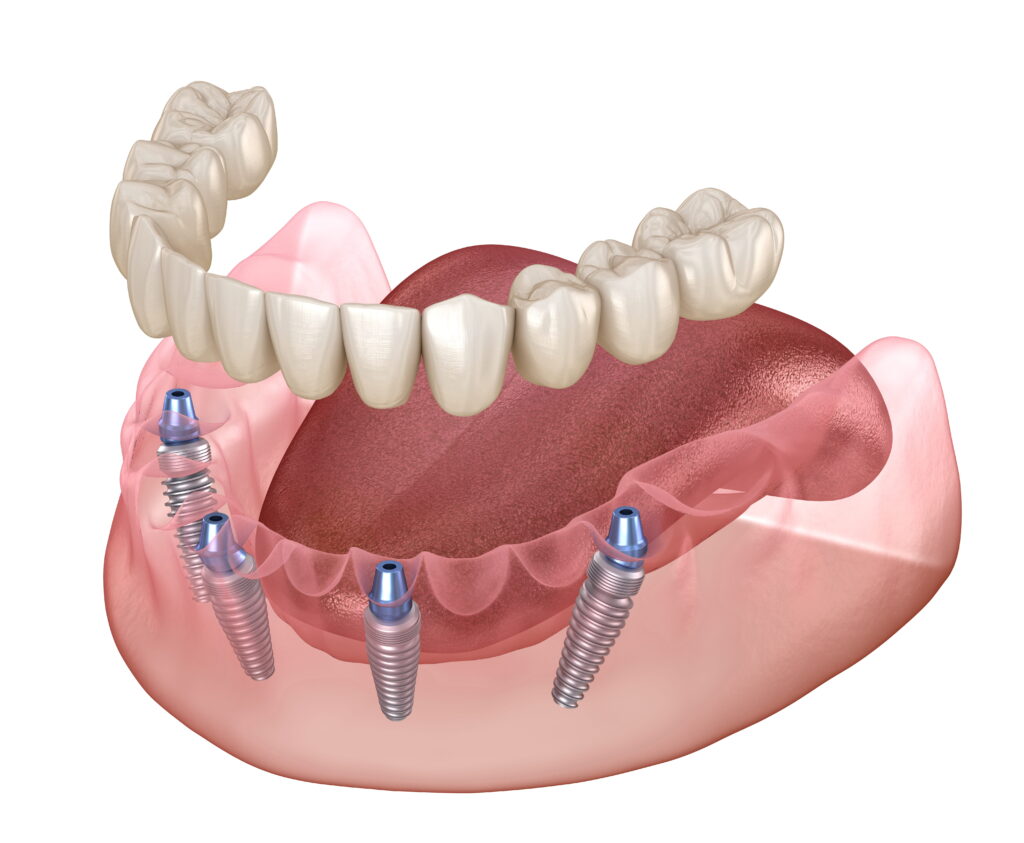
All-on-4, an implant-based tooth replacement option that gives the patient a complete arch of teeth

The All-on-4 method is an implant treatment in which a full arch of replacement teeth is supported by four strategically placed dental implants.

This approach is designed to make efficient use of available bone and provide a fixed alternative to removable dentures. For suitable patients, it can offer improved stability for chewing and speaking compared with removable options.

All-on-4 or All-on-6 treatment may involve careful planning, multiple appointments, and a staged workflow, depending on the patient’s oral condition and the treatment protocol used.

Tooth Replacement Options for Those Restoring a Severely-Damaged Tooth

Not all damaged teeth need to be extracted. In many cases, clinical intervention can save the natural root.

Crowns
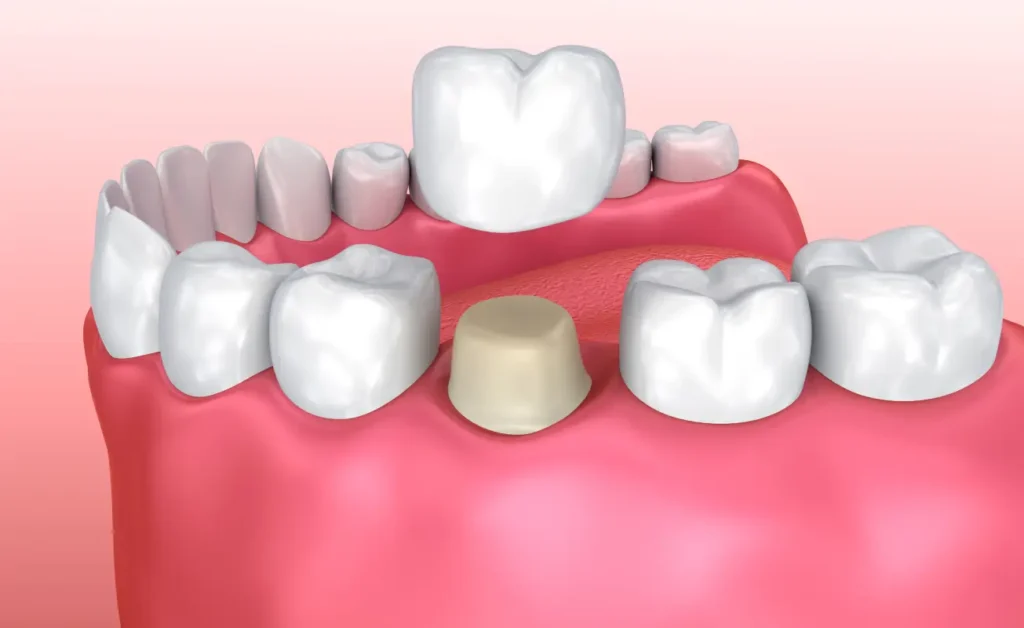
A prepped tooth about to be fitted with a crown, a tooth replacement option wherein the existing tooth doesn't have to be removed

A dental crown is a custom-fitted cap that covers the entire visible portion of a tooth above the gum line.

If a tooth is severely cracked, broken, or weakened by extensive decay or a root canal, a crown is placed to protect the remaining tooth structure and restore its full function.

Find a Tooth Replacement Option that Suits Your Needs!

Evaluating the health of your smile and choosing the most appropriate treatment requires careful planning and a proper clinical assessment.

At Elements Dental, we take the time to understand your concerns, assess your oral condition, and explain the treatment options that may be suitable for your needs.

Whether you are missing a single tooth or exploring full-arch rehabilitation, the right solution depends on factors such as your oral health, bone support, and treatment goals.

If you are considering tooth replacement, schedule a consultation with our dentist to discuss the options appropriate for your case.

Frequently Asked Questions

Will my insurance plan cover the cost of a tooth replacement?

Coverage varies significantly across providers and plans; however, many insurance schemes cover restorative treatments like bridges or dentures, though implants may sometimes be classified differently.

Is it painful to undergo a tooth replacement procedure?

Clinical practitioners use local anaesthesia to ensure you remain comfortable during the procedure, and any post-treatment tenderness can typically be managed with standard over-the-counter pain relief medication.

How do I clean and maintain a fixed dental bridge?

A fixed bridge is cleaned much like natural teeth, through brushing, though you will need to use specialised floss threaders or interdental brushes to clean the area under the artificial tooth.

What is the typical lifespan of a removable partial denture?

With proper care and routine clinical adjustments, a partial denture generally lasts between five and seven years before the base or the underlying bone structure changes enough to require a replacement.

What happens if I choose not to replace a missing back tooth that isn’t visible?

Even if the gap is not visible, leaving a missing tooth untreated can contribute to gradual bone loss in that area and may affect neighboring or opposing teeth over time.

Whether replacement is recommended depends on factors such as the tooth’s location, your bite, and your overall oral health, so it is best to discuss the long-term implications with your dentist.

Blog

Signs You Might Need a Dental Check-Up Immediately

Many patients only seek treatment once the discomfort has become severe. However, our bodies go through plenty of signs that we often overlook due to our busy lives.

Recognising when a routine visit needs to become an immediate priority is key to protecting your smile. Our guide outlines the importance of preventive dental visits and details the specific physical symptoms that warrant seeking clinical attention.

It is important to note that tooth pain is not the only sign that you may need a dental check-up. So be sure to keep reading.

Key Takeaways

  • Regular dental check-ups can help detect tooth decay and gum disease early, and may also reveal oral signs associated with broader health conditions.
  • Recognising warning signs such as persistent tooth pain, localised sensitivity, or a chipped tooth is important for protecting your natural tooth structure.
  • Bleeding gums and chronic bad breath can be signs of underlying inflammation or bacterial buildup and should be professionally assessed.
  • Many oral conditions can develop without immediate pain and may go unnoticed without a clinical examination or imaging where necessary.
  • Many patients benefit from check-ups every six months, but the ideal interval should be based on a dentist’s assessment of their oral health and risk factors.

Importance of a Dental Check-Up to Your Oral Health

A routine dental check-up does much more than clean your teeth. It provides a comprehensive evaluation of your oral health, including your teeth, gums, tongue, and jaw.

Dental professionals are trained to identify common oral health concerns such as tooth decay and gum disease. They may also recognise oral signs that could be associated with broader health conditions and recommend further medical evaluation where appropriate.

Early detection matters because many dental problems worsen over time without treatment. While some very early stages of tooth decay may be arrested or reversed with fluoride-based care, more advanced decay can progress and may eventually lead to pain, infection, or more complex treatment needs.

A dental check-up also allows your dentist to assess the condition of existing dental work, such as fillings and crowns, to ensure they remain stable and functional. Overall, regular preventive care plays an important role in maintaining long-term oral health.

Signs You Might Need a Dental Check-Up Immediately

While routine care is designed to prevent problems, acute symptoms require prompt evaluation. If you experience any of the following signs, it is highly recommended to contact a dental clinic to book a focused assessment.

Note: It’s very important that you do not diagnose yourself with this guide. Though some symptoms are likely and general signs of some mouth complications, every patient’s case is different. Do not solely rely on this guide for oral advice; consult a dentist immediately if you’re anxious about your oral health!

Signs you might need to see a dentist are the following:

Tooth Pain

Pain is your body’s primary alarm system, and tooth pain is rarely something you should ignore. A toothache can range from a dull, constant ache to sharp, stabbing sensations.

Spontaneous pain that wakes you up at night or pain that lingers long after a stimulus is removed is particularly concerning.

Tooth pain is a symptom of a variety of underlying issues

  • This discomfort could signal that decay has reached the sensitive inner layer of the tooth, known as the dentin, or even the dental pulp where the nerves reside.
  • It could also indicate an abscess, which is a localised pocket of pus caused by a bacterial infection.
  • If localised at the back of the mouth, it could be a sign of an unerupted wisdom tooth that’s hitting the adjacent teeth, prompting a wisdom tooth removal

Chipped Tooth

Enamel is the hardest substance in the human body, but it is not indestructible. Biting down on hard foods, a fall, or using your teeth as tools can result in a fracture.

Sometimes, you may notice a visible chip, or a tooth may feel uneven to your tongue—what was once smooth may now feel sharp or jagged.

Because a chip can compromise the tooth’s protective outer layer, it should be assessed promptly by a dentist. Depending on the extent and location of the damage, treatment may include dental bonding, a filling, or another suitable restorative option.

Sensitivity

It is common to experience a fleeting twinge when eating something very cold or very hot. However, localised, persistent sensitivity to temperature, sensitivity to sweets, or sensitivity to brushing indicates an underlying problem that needs to be assessed.

When the outer enamel wears down or the gums recede, the underlying dentin layer becomes exposed. When hot, cold, or sweet substances touch these exposed tubules, they stimulate the nerves, causing sharp discomfort.

Dentists need to investigate whether this sensitivity is caused by a cavity, gum recession, or a cracked tooth.

Bleeding Gums

Healthy gums are firm, pale pink, and do not bleed during brushing or flossing. Bleeding gums are a classic sign of inflammation, usually caused by the buildup of bacterial plaque along the gum line.

Persistent bleeding gums could be a sign of gingivitis, the earliest stage of gum disease. Gingivitis is reversible with proper clinical intervention and improved home care. However, if left untreated, it can advance to periodontitis, where the gums pull away from the teeth, and the supporting bone is destroyed, which can lead to tooth loss.

Note: bleeding gums aren’t always an indicator of gingivitis. Perhaps you just brushed or flossed a little too hard.

Chronic Bad Breath

A lady's face soured after smelling her own breath, a sign she needs a dental check up

We experience bad breath after consuming garlic or onions. However, chronic bad breath, clinically known as halitosis, that persists despite regular brushing and flossing, may indicate an underlying oral health issue.

This persistent odour is often caused by volatile sulfur compounds produced by anaerobic bacteria living in the mouth.

These bacteria thrive in deep cavities, in the pockets formed by gum disease, or on the back of the tongue. Chronic bad breath is frequently an indicator of active decay or advanced gum disease, both of which require clinical treatment to resolve.

Anxiety Around Oral Health

If you find yourself frequently worrying about the condition of your teeth, searching online for explanations of your symptoms, feeling self-conscious about your smile, or experiencing persistent anxiety about your oral health, it may be a good time to speak with a dental practitioner.

Even if no significant issue is found, the reassurance that comes from a professional assessment can be valuable and may help reduce unnecessary worry.

A dentist can also provide personalised advice on your oral hygiene based on a clinical examination of your teeth and gums, which may be more relevant to your situation than general online information.

Common Issues That Can Go Undiagnosed

Many oral health conditions develop without causing noticeable pain in the early stages. This makes routine examinations vital, as clinical experts have the tools and training to spot these issues before they cause lasting damage.

Some issues we commonly identify during examinations include that some patients delay evaluation longer than ideal to get checked, including the following:

Persistent Wisdom Tooth Pain

A lady's wisdom teeth are aching, a sign she needs a dental check up

Wisdom teeth, or third molars, are the last teeth to emerge, usually in a person’s late teens or early twenties. Because the jaw may not always have enough space to accommodate them, these teeth can sometimes become impacted, meaning they remain partially or fully trapped beneath the gums or bone.

Impacted wisdom teeth may cause pain, inflammation, infection, difficulty with cleaning, or damage to adjacent teeth, and should be assessed on an individual basis.

Many people seek evaluation only when the discomfort becomes significant. However, early signs of a wisdom tooth problem may begin as mild pain, tenderness, or pressure at the back of the mouth, which can be easy to dismiss at first.

Tooth Decay

Tooth decay occurs when bacteria in the mouth produce acids that actively demineralise the hard structures of the tooth. In its earliest stages, decay appears as a chalky white spot on the enamel, representing a loss of calcium.

At this initial stage, the process can be reversed through fluoride treatments and remineralisation strategies.

Because early decay is completely painless, patients rarely know it is happening. A dental check-up can help detect and stop decay before it breaches the enamel and requires a filling.

Cavities

A cavity is the physical hole that forms in a tooth when decay is left untreated, and the enamel finally breaks down.

By the time a cavity forms, damage to the tooth structure has already occurred. 

While small cavities might still be painless and easily dismissible in the busy lifestyle of an individual, larger cavities trap food, creating a cycle that furthers decay.

Dentists must remove the decayed portion and place a filling to restore the tooth’s structure and prevent bacteria from reaching the tooth’s nerve. Though cavities can be treated with fillings, the damage to the natural tooth structure cannot be reversed.

Halitosis

People are often unaware of their own breath, and others may hesitate to mention it.

As a result, halitosis may go unnoticed until someone close to the patient raises the concern or it is identified during a dental visit. In some cases, individuals may remain unaware of the issue in daily life, especially if no one around them brings it to their attention.

This can make halitosis difficult to detect without a professional assessment. In many cases, the issue only becomes apparent during a dental appointment for another concern, such as tooth pain or gum irritation.

Because some oral health problems develop without obvious symptoms, regular dental reviews remain important. Many patients benefit from check-ups every six months, but the ideal frequency should be based on a dentist’s assessment of their oral health and risk factors.

Enamel Abrasion

Many undiagnosed issues can arise from improper brushing. This one, on the other hand, is a result of excessive brushing.

Enamel abrasion refers to the non-bacterial loss of tooth structure caused by mechanical forces. The most common cause is aggressive toothbrushing, especially with a hard-bristled brush, abrasive toothpaste, or overzealous brushing.

Abrasion typically manifests as notches or grooves near the gum line of the teeth. Over time, mechanical wear exposes the sensitive dentin beneath, increasing sensitivity and the risk of decay.

Gingival Recession

Gingival recession is the process by which the gum tissue margin that surrounds the teeth wears away or pulls back, exposing more of the tooth or its root.

When this occurs, pockets or gaps form between the teeth and the gum line, allowing disease-causing bacteria to accumulate.

Causes include aggressive brushing, periodontal disease, and genetic predisposition. Because it happens gradually, many people do not notice their gums receding until the exposed roots begin to cause severe sensitivity or aesthetic changes.

The Last Resort: Restorative Dentistry

A 3d render of crown-supported restorations, the last resort when a patient loses their tooth or teeth from dismissing their dental check up

When preventive care is not maintained, restorative dentistry becomes necessary to restore the mouth to full function.

Restorative procedures are designed to repair or replace damaged or missing teeth.

Common restorative treatments include dental crowns, which serve as protective caps for weakened teeth; dental bridges; and dental implants to fill gaps left by missing teeth. Removable dentures are also an option.

While these solutions are highly effective at restoring chewing function and smile aesthetics, they are considered a fallback. Preserving your natural tooth structure through regular check-ups is always the primary goal of dental healthcare.

Don’t Delay Your Dental Check-Up!

Taking care of your smile involves both good home care and regular professional support.


Waiting until discomfort becomes severe can sometimes mean that more extensive treatment is needed. Paying attention to symptoms such as localised sensitivity, bleeding during brushing, or persistent discomfort can make a meaningful difference in preserving your natural teeth.

Even in the absence of obvious symptoms, regular dental reviews can help monitor for concerns that may not yet be causing pain. Many patients benefit from check-ups every six months, although the appropriate interval should be determined by a dentist’s assessment of their oral health and risk factors. 

At Elements Dental, patients can access a range of dental services, including consultations, preventive care, and restorative treatment where needed. Our focus is on helping patients maintain healthy oral function and address concerns early where possible.

If you are experiencing these symptoms or have concerns about your oral health, seek a prompt assessment from a dentist. Let us help you!

Frequently Asked Questions

How long does a typical dental check-up and cleaning session take?

The length of a dental visit depends on your oral health needs and whether additional procedures, such as X-rays, are required. A routine examination may be relatively brief, but a check-up and cleaning commonly takes around 40 to 60 minutes.

If there is more plaque or tartar buildup, signs of gum disease, or a need for further assessment, the appointment may take longer.

Why does the dentist measure my gums during an examination?

Dentists measure the space between your teeth and gums to check for periodontal pockets. Deep pockets can indicate the presence of gum disease, helping the clinician determine if a more focused cleaning is necessary.

Will a dental check-up involve fluoride treatment for adults?

While often associated with children, fluoride treatments can be highly beneficial for adults who are susceptible to cavities or experiencing tooth sensitivity. Your dentist will recommend this if they notice signs of enamel demineralisation.

Do I still need a check-up if I wear full dentures?

Yes, patients with dentures still require regular examinations to assess the fit of the prosthesis and the health of the underlying gums and bone.

Blog

Bukit Timah Dentist Services: Different Types of Services We Provide

Maintaining oral health is an important part of overall well-being. From speaking clearly to eating comfortably, your teeth and gums play an important role in daily life.

Visiting our Bukit Timah dental clinic can help ensure your teeth and gums receive appropriate preventive, restorative, and specialised care. Our dentists offer a range of services to address different oral health needs, from routine check-ups to more complex treatments.

By understanding the treatments available at our Bukit Timah dentist, you can make more informed decisions about your oral care. Dental services may be grouped into the following areas: general dentistry, endodontics, aesthetic dentistry, restorative dentistry, orthodontics, and paediatric dentistry. Below is an overview of the common services within each category.

Key Takeaways

  • Visiting our Bukit Timah dental clinic can support oral health through a range of preventive and specialised services.
  • General dentistry focuses on routine care, such as exams, cleanings, and consultations, to detect and resolve issues before they become severe.
  • Specialised treatments such as root canal therapy, crowns, and implants help save or replace damaged teeth and restore your bite.
  • Procedures such as teeth whitening, veneers, braces, and Invisalign can enhance the appearance and alignment of your smile.
  • Early intervention through paediatric care and consistent check-ups is essential for preventing pain and protecting your long-term dental well-being.

General Dentistry

A woman undergoing a general dentistry procedure at a bukit timah dentist

General dentistry serves as the fundamental layer of oral healthcare. It focuses heavily on preventive care, early diagnosis, and managing the overall health of the teeth and gums. Dental practitioners in this field assess the overall condition of the teeth, gums, and surrounding oral structures, and may recommend preventive care or further treatment where appropriate.

Services under general dentistry include:

Consultation

A consultation at our Bukit Timah dental clinic is the first step toward understanding your oral health needs.

During this session, the dental clinician takes the time to discuss your medical and dental history. This involves understanding any pre-existing health conditions, medications you are currently taking, and any specific concerns or goals you have regarding your smile.

Patients who come in for a consultation might have tooth sensitivity, jaw discomfort, or aesthetic preferences. The dentist listens carefully and uses this information to map out a personalised treatment plan.

Oral Exams

Regular oral examinations help detect dental issues that may not yet be causing pain.

Unlike a simple visual check you might perform at home, clinical examinations involve checking the teeth for signs of decay, assessing the gums for inflammation or periodontal disease, and evaluating the condition of existing restorations, such as fillings or crowns.

Dental practitioners also look at the soft tissues of the tongue, the roof and floor of the mouth, and the throat for any abnormalities.

Professional Teeth Cleaning

Even with regular brushing and flossing, plaque can build up on the teeth, particularly along the gum line and between teeth. If it is not removed thoroughly, plaque can harden into tartar. Unlike plaque, tartar cannot be removed through routine brushing alone and usually requires professional cleaning.

During a teeth cleaning session at our Bukit Timah dental clinic:

  • Dental practitioners use specialised instruments to remove plaque and tartar from the tooth surfaces. This process is known as scaling.
  • After scaling, the teeth are typically polished with a slightly abrasive paste to remove external stains and leave the teeth feeling smooth and clean.

Fluoride Treatments

Fluoride is a naturally occurring mineral that helps strengthen tooth enamel and reduce the risk of tooth decay. It helps strengthen enamel and makes it more resistant to decay.

Fluoride treatments provided in a clinic may involve applying a highly concentrated fluoride gel, foam, or varnish directly to the teeth. This is a quick, non-invasive procedure often recommended for children as their permanent teeth develop.

Fluoride treatments may also be recommended for adults who are at higher risk of tooth decay, depending on factors such as diet, oral hygiene, saliva flow, and clinical history.

Wisdom Tooth Surgery

Wisdom teeth, or third molars, are the last set of teeth to emerge, usually in the late teens or early twenties.

In many cases, the jaw lacks sufficient space to accommodate these extra molars, leading to impaction.

Impacted wisdom teeth can grow at various angles, push against adjacent teeth, or fail to emerge fully through the gum line. This can lead to pain, infection, decay in neighbouring teeth, or even the development of cysts.

Wisdom tooth surgery is a common clinical procedure in which a dentist surgically removes the problematic tooth.

Endodontics

A bukit timah dentist demonstrates endodontics on a root canal model

Endodontics is a specialised branch of dentistry that focuses on the treatment of the dental pulp and the tissues surrounding the roots of a tooth.

The dental pulp contains blood vessels, nerves, and connective tissue, which can become infected or inflamed due to decay. Endodontic treatments help preserve teeth that might otherwise need to be removed.

Root Canal Treatment

When a tooth’s pulp becomes severely infected or inflamed, the tooth cannot heal on its own. If left untreated, the infection can cause an abscess. This abscess can result in bad breath, swelling, fever, or worse, tooth loss.

During root canal therapy, the dentist creates a small opening in the crown of the tooth to access the infected pulp. The damaged tissue is carefully removed, and the root canals are cleaned, shaped, and disinfected.

Finally, the canals are filled with a biocompatible material and sealed.

Apicoectomy

Unlike a non-surgical root canal that accesses the infection through the crown of the tooth, an apicoectomy involves a small incision in the gum tissue to reach the root tip directly through the jawbone.

The dentist removes the infected tissue and the tip of the root itself, then cleans and seals the end of the root canal with a small filling to prevent future bacterial leakage.

While it is considered a more invasive option than a standard root canal, it is a conservative alternative to tooth extraction and is often the final clinical step used to preserve a tooth that remains symptomatic after multiple treatments.

Aesthetic Dentistry

A patient undergoes teeth whitening, a cosmetic dentistry procedure, at a bukit timah dentist

Aesthetic dentistry focuses on enhancing the appearance of teeth and smiles. It primarily addresses visual elements such as tooth colour, position, shape, size, and alignment.

Our Bukit Timah dentist can provide various aesthetic treatments designed to help patients feel more comfortable with the look of their smiles.

Usual aesthetic dental procedures include:

Teeth Whitening

Over time, teeth can become discoloured or stained, whether through the foods we eat, such as coffee, tea, and red wine, or through improper hygiene habits we adopt. The natural ageing process can also cause the enamel to lose its brightness.

Teeth whitening is a popular option for brightening the smile. Dentists use bleaching agents that are stronger than those available in over-the-counter products, allowing for a more noticeable change in shade.

Veneers

Dental veneers are thin, custom-made shells of porcelain or composite resin that are bonded to the front surfaces of teeth.

They are designed to replicate the natural appearance of teeth and enhance the overall smile.

Veneers are a solution for addressing a variety of aesthetic concerns, including severely discoloured teeth that do not respond to whitening, chipped or worn teeth, and slightly misaligned or gap-filled teeth.

Dental Bonding

Dental bonding is a procedure in which a tooth-coloured resin material is applied to the tooth and hardened with a special light. This allows the material to bond to the tooth surface and restore minor damage or areas affected by decay, where appropriate.

Bonding is often used to repair chipped or cracked teeth, close small spaces between teeth, or improve the appearance of teeth with minor shape irregularities.

It can also be used to enhance the shape and overall appearance of the teeth in suitable cases.

It is generally considered a conservative treatment, as it often requires little to no removal of healthy tooth structure, depending on the clinical situation.

Gum Contouring

Gum contouring, also known as gum reshaping, is a procedure that alters the shape or size of the gum line.

Some patients feel their teeth appear too short because excessive gum tissue covers the enamel, sometimes referred to as a “gummy smile.”

Dentists use specialised instruments to remove excess gum tissue or reshape the gums to create a more balanced and symmetrical appearance. This procedure can also make it easier to maintain oral hygiene by reducing areas where bacteria can accumulate.

Restorative Dentistry

a prepped tooth about to be fitted with a crown, a service that a bukit timah dentist can provide

The main goal of restorative care is to repair or replace damaged or missing teeth. It helps restore the mouth’s function, structure, and aesthetic appearance.

Common restorative dentistry procedures include the following:

Dental Crowns

A dental crown is a custom-fitted cap that covers the entire visible portion of a tooth above the gum line.

Crowns are used in restorative dentistry to strengthen a tooth that has a large filling, protect a weak tooth from breaking, or restore a tooth that is already broken.

They are also used to cover dental implants or to retain a dental bridge.

Crowns can be made from various materials, including porcelain, ceramic, or metal alloys, chosen based on the tooth’s location and the patient’s functional needs.

Dental Bridges

For patients missing one or more consecutive teeth, a dental bridge fills the gap.

It spans the space where the teeth are missing and is anchored to the natural teeth or implants on either side of the gap.

These anchoring teeth, called abutments, support the false tooth or teeth, known as pontics, placed between them.

Bridges are critical not only for restoring the appearance of the smile but also for preventing the remaining natural teeth from shifting out of position due to the missing tooth.

Removable Dentures

Dentures are removable replacements for missing teeth and the surrounding tissues.

There are two main types of dentures: complete and partial.

  • Complete dentures are used when all the teeth are missing in the upper, lower, or both jaws.
  • Partial dentures are used when some natural teeth remain and serve as anchors for the prosthetic.

Dentures are designed to fit comfortably and look natural, allowing patients to chew and speak more effectively after losing their natural teeth.

Dental Implants

Dental implants are a commonly used long-term option for replacing missing teeth in suitable cases.

An implant is a small post, usually made of titanium, that is surgically placed into the jawbone beneath the gums.

Over time, the implant fuses with the bone in a process called osseointegration, providing a stable base for a replacement tooth, such as a crown or bridge. Because they replace both the root and the crown of a tooth, implants help preserve the jawbone and prevent the bone loss that typically follows tooth extraction.

Orthodontics

a patient putting on invisalign braces on her teeth, a service that can be provided by a bukit timah dentist

Orthodontics focuses on correcting misaligned teeth and bite issues to improve oral function and dental alignment. In some cases, treatment may also influence overall facial appearance.

Because misaligned teeth can be more difficult to clean, they may increase the risk of tooth decay and gum disease. This is one reason orthodontic care can support long-term oral health.

Common orthodontic treatments include:

Fixed (Metal) Braces

Traditional metal braces are a well-established method for correcting many orthodontic issues.

They consist of stainless steel brackets attached to each tooth and connected by thin wires, which apply controlled pressure to guide tooth movement over time.

These wires are adjusted periodically by the orthodontist throughout treatment to help achieve improved alignment and a healthier bite.

Clear Aligners (Invisalign)

Invisalign is a system that uses a series of clear, removable aligners to gradually straighten teeth.

These aligners are custom-made for each patient using computer imaging. Patients wear each set of aligners for about one to two weeks before moving on to the next set in the series, gradually shifting the teeth into place.

The primary advantage of Invisalign is that the aligners are virtually invisible and can be removed for eating, brushing, and flossing.

Palatal Expanders

A palatal expander is an orthodontic device used to widen the upper jaw so that the upper and lower teeth fit together better.

This device is often used in children and adolescents whose jawbones are still growing.

The expander is custom-fit to the upper molars and applies gentle pressure to the two halves of the upper jawbone, causing them to separate and allow new bone to grow in between.

This creates more space for erupting adult teeth and can correct issues like crossbites.

Paediatric Dentistry

a young boy undergoing paediatric dentistry at a bukit timah dental clinic

Paediatric dentistry is dedicated to the oral health of children from infancy through adolescence.

Children have unique dental needs that differ from those of adults. Primary teeth, also known as milk teeth, serve as placeholders for permanent teeth and are essential for proper chewing and speech development.

Proper paediatric dentistry involves fostering a positive, comfortable environment that helps reduce dental anxiety for years to come.

Explore Dental Care Options at Elements Dental!

There is a wide range of dental procedures available, from root canal treatment to teeth whitening. These services can address different oral health concerns, including discomfort, functional problems, and aesthetic issues.

Regular dental visits and timely treatment can help support the long-term health of your teeth and gums. Depending on your needs, your dentist may recommend preventive, restorative, aesthetic, or specialised treatment.

If you have concerns about your oral health or would like to understand your treatment options, a dentist can advise you on the next appropriate steps. At Elements Dental, we’ll work with you to support the function and health of your teeth.

Frequently Asked Questions

How often should I schedule a dental visit?

Most dental practitioners recommend coming in every six months for routine check-ups and cleanings. However, if you have a history of gum disease or are at higher risk of tooth decay, your clinician might suggest more frequent visits to better monitor your oral health.

Are routine dental X-rays safe for patients?

Yes. Dental X-rays use low radiation doses to capture detailed images of your teeth and jawbone. Clinics apply appropriate radiation protection measures in accordance with current standards, the type of imaging required, and clinical need.

How long does the entire process for getting a dental implant usually take?

The entire timeline can span anywhere from three to nine months from start to finish. This is because the jawbone requires several months to fuse securely with the titanium post before the final crown can be manufactured and attached.

What is the typical lifespan of porcelain dental veneers?

With good oral hygiene and routine dental check-ups, porcelain veneers typically last between 10 and 15 years. You can extend their lifespan by avoiding habits that put excessive pressure on them, such as biting your nails or chewing on ice.

Why do my gums sometimes bleed when I floss at home?

Bleeding gums are often associated with gingivitis, which is inflammation caused by plaque buildup along the gum line. Gentle daily flossing and good oral hygiene may help, but persistent or recurrent bleeding should be assessed by a dentist to identify the cause and recommend appropriate treatment.

Blog Teeth

Wisdom Tooth Removal in Singapore: Cost, Pain-Management, and Considerations

Many people in Singapore feel anxious about removing their wisdom teeth (third molars). While wisdom tooth removal is common, it is not always necessary. Dentists typically recommend extraction when a wisdom tooth is impacted, difficult to clean, or contributing to pain, infection, decay, or crowding.

Wisdom teeth often begin to erupt in the late teens or early twenties, although timing can differ from person to person. If surgery is recommended, knowing what to expect—from consultation and cost to pain control and recovery—can make the experience more manageable.

Key Takeaways

  • Wisdom tooth removal is commonly recommended when third molars are impacted, difficult to clean, or associated with pain, infection, or damage to nearby teeth.
  • The cost of wisdom tooth removal in Singapore varies depending on impaction complexity, the clinic setting, and whether surgical extraction is required.
  • Surgical wisdom tooth removal may be eligible for MediSave claims, subject to prevailing guidelines and limits.
  • Recovery typically involves a short rest period, a soft diet, and careful oral hygiene to protect the extraction site.
  • Avoiding smoking and using straws in the early healing period helps reduce the risk of dry socket.

What is Wisdom Tooth Removal

Wisdom tooth removal refers to the extraction of the third molars—the last set of adult teeth to emerge. Because these teeth erupt after most of the jaw has finished developing, there may be limited space for them to come in properly.

When a wisdom tooth cannot fully erupt through the gums, it is known as an impacted wisdom tooth. Impacted teeth can develop at different angles. In some cases, they may press against neighbouring teeth and cause discomfort. In others, a partially erupted tooth can trap food and bacteria under the gum, making the area harder to clean and increasing the risk of inflammation or infection.

Wisdom teeth can be removed via:

  • Simple extraction, usually for fully erupted teeth, or
  • Surgical extraction, which may be needed for impacted or partially erupted teeth.

This guide focuses primarily on surgical wisdom tooth removal, as it typically involves more steps and requires more detailed aftercare.

Signs You Should Get Your Wisdom Tooth Removed

Some symptoms may suggest your wisdom tooth is erupting (coming through the gums) or becoming impacted. However, symptoms alone do not confirm that removal is required—an examination and, in many cases, an X-ray are needed to determine the cause and the best treatment.

1) Discomfort at the back of the jaw

A dull ache or pressure at the back of the jaw can occur when a wisdom tooth is erupting, particularly if there is limited space. In some cases, the tooth may press against nearby teeth or irritate the surrounding gum tissue.

If the discomfort persists for more than a few days, recurs, or is accompanied by gum swelling or food trapping, it is worth scheduling a dental assessment. Early evaluation can help prevent complications such as inflammation or infection.

2) Persistent jaw pain or swelling

Persistent pain that affects eating, sleep, or concentration warrants prompt attention. Wisdom tooth–related pain may be accompanied by:

  • swollen or tender gums at the back of the mouth
  • difficulty opening the mouth fully
  • pain that radiates toward the ear or temple
  • an unpleasant taste or bad breath (which may indicate food trapping or infection)

Depending on the clinical findings, your dentist may recommend monitoring, medication, cleaning around the area, or extraction.

3) X-ray findings suggestive of impaction

An X-ray showing impacted wisdom teeth, highlighted in red. It indicates that the patient must undergo wisdom tooth removal in SingaporeDuring a consultation, your dentist may recommend an X-ray to assess the position of the wisdom tooth, its relationship to adjacent teeth, and proximity to nearby nerves or sinuses.

An X-ray may show that a wisdom tooth is impacted or partially erupted. This does not automatically mean extraction is required, but removal is commonly recommended when the tooth is causing pain, recurrent inflammation/infection, decay, gum disease, or damage to neighbouring teeth.

Always discuss the findings and options with your dentist, who can explain whether monitoring or removal is the most appropriate approach for your situation.

Cost of Wisdom Tooth Removal in Singapore

Cost is a major consideration for many patients seeking wisdom tooth removal in Singapore. Fees can differ between private dental clinics and public institutions (where subsidies may apply). In general, a simple extraction is usually more affordable than surgical removal for an impacted wisdom tooth.

Factors Affecting Wisdom Tooth Removal Cost

There is no single fixed price because the final fee depends on how the wisdom tooth is positioned and how complex the removal is. As a general guide, costs are often discussed in two broad categories: simple vs surgical. 

1) Complexity of the Procedure

Complexity is one of the biggest drivers of cost.

  • Simple extraction is typically suitable when the tooth has fully erupted and can be removed without incisions.
  • Surgical removal may be required for impacted or partially erupted wisdom teeth. This can involve a gum incision and, in some cases, tooth sectioning or minor bone removal.

Common impaction patterns include:

  • Vertical impaction: tooth is upright (often less complex)
  • Mesioangular impaction: tooth tilts forward
  • Distoangular impaction: tooth tilts backward
  • Horizontal impaction: tooth lies sideways against the adjacent tooth (often more complex)

More complex cases usually require more time and surgical steps, which can increase professional and facility fees. Your dentist can provide a clearer estimate after reviewing your X-ray.

2) Number of teeth Removed

Removing more than one wisdom tooth in a single session may affect the total cost. Some clinics offer package pricing or adjustments when multiple teeth are removed at once, but this varies by provider.

3) Dentist or specialist involvement

A young, male dentist in blue scrubs showing a patient a model of the mouthMany cases can be managed by a general dentist. However, more complex impactions may be handled by an oral surgeon or a dentist with advanced surgical experience, which may influence professional fees.

4) Clinic setting and fee structure

Fees can also vary based on whether you are treated in a private clinic or a public institution such as National Dental Centre Singapore, where subsidies and benchmarked fee ranges may apply.

Rather than choosing a clinic only when pain escalates, it is usually better to book an early assessment—this gives you time to compare options and understand your treatment plan.

MediSave and Subsidies

Many patients use MediSave to offset the cost when the wisdom tooth removal is surgical. MediSave usage is subject to CPF rules and withdrawal limits, which vary based on the procedure’s complexity classification. Your clinic can advise you on which portion is claimable and guide you through the claim process.

The Community Health Assist Scheme (CHAS) provides dental subsidies for selected dental services at participating clinics, with claim limits and subsidy amounts depending on your CHAS tier (e.g., CHAS Blue, Merdeka Generation, Pioneer Generation).

If cost is a key concern, it helps to ask the clinic upfront:

  • whether they are a CHAS dental clinic, and
  • which parts of the visit (consultation, X-ray, extraction type) are subsidised under your tier.

Preparing for Wisdom Tooth Removal

Good preparation can make your wisdom tooth removal experience more comfortable and support a smoother recovery. Planning ahead also helps you manage practical details such as time off work, meals, and transport—especially if you are undergoing a surgical extraction.

Schedule Time Off (If Needed)

Many patients feel better with a few days of rest after surgical wisdom tooth removal, particularly if swelling or discomfort is expected. If your role involves physical labour or prolonged speaking, you may need a longer recovery period.

Where possible, plan for:

  • Your consultation (and imaging, if required)
  • Your procedure date (if booked separately)
  • A short recovery window afterwards
  • Removal of stitches (2 weeks after the surgical procedure)

Your dentist can usually advise a more realistic recovery timeline based on the complexity of the extraction and whether sedation is involved.

Stock Up on Soft Foods

Oatmeal next to almond nuts, blueberries, coffee, and bananasAfter wisdom tooth removal, most patients are advised to stick to a soft diet for the first few days. This helps minimise discomfort and reduces the likelihood of disturbing the healing area.

Easy options include:

  • yoghurt
  • congee/porridge
  • soft noodles
  • soups
  • tofu
  • mashed potatoes or scrambled eggs

Cold foods (such as chilled yoghurt or ice cream) can feel soothing in the first 24 hours, but choose options you can tolerate comfortably and avoid very hot foods and vigorous chewing.

Having soft foods ready at home also reduces the need to run errands while you are recovering.

Prioritise Rest the Night Before

Try to get a good night’s sleep before your appointment. Being well-rested can help you feel calmer and better able to cope with the procedure and aftercare instructions. If you feel anxious, consider preparing questions in advance so you know what to expect on the day.

Follow Your Clinic’s Fasting Instructions (If You Are Having Sedation)

If your procedure involves sedation or general anaesthesia, your clinic will provide fasting instructions. Fasting is a standard safety requirement to reduce the risk of nausea or aspiration during sedation/anaesthesia.

Importantly, fasting requirements vary depending on the type of sedation and the facility’s protocol. Do not rely on a fixed “12-hour rule” unless your dentist has specifically instructed it—follow the pre-operative instructions provided by the clinic.

What Happens During Wisdom Tooth Removal

A dentist and her assistant gathers around a patient, performing a procedure.If you are considering wisdom tooth removal in Singapore, the process typically begins with an assessment to determine whether a simple extraction is sufficient or surgical removal is required.

1) Consultation and assessment

During the consultation, your dentist typically:

  • reviews your symptoms and examines the back of the mouth
  • checks your medical history (including medications and allergies)
  • recommends an X-ray to assess the position of the wisdom tooth, nearby teeth, and surrounding structures

Based on these findings, the dentist will explain:

  • whether removal is recommended and why
  • whether the procedure is likely to be simple or surgical
  • anaesthesia options (local anaesthesia is common; sedation may be considered for selected cases)
  • estimated costs and expected recovery

In some straightforward cases, removal may be done on the same day if clinic time allows. For many patients—especially when surgery or sedation is planned—the procedure is scheduled on a separate day.

2) What happens on the day of removal

Most wisdom tooth removals are done under local anaesthesia, which numbs the area so you remain awake but should not feel sharp pain. For more complex cases, or for patients with significant anxiety, sedation may be discussed during consultation and arranged in advance.

For a surgical extraction, the dentist may:

  1. numb the area thoroughly
  2. make a small incision in the gum
  3. remove a small amount of bone if needed to access the tooth
  4. section the tooth into smaller pieces in some cases to remove it more safely
  5. clean the socket
  6. place stitches if required
  7. place gauze over the site and ask you to bite down to support clot formation

After the procedure, you will receive aftercare instructions, and your dentist may prescribe pain relief (and, when clinically necessary, other medications such as antibiotics).

Pain Management Tips for Wisdom Tooth Removal in Singapore

Some swelling and soreness are expected after surgical removal. The goal is to keep discomfort controlled while protecting the healing blood clot.

1) Take pain relief as directed

Your dentist will advise an appropriate pain relief plan. Evidence-based guidance commonly supports non-opioid options such as anti-inflammatory medication (when suitable) and/or paracetamol/acetaminophen for dental extraction pain.

Many clinics also advise taking pain relief before the numbness fully wears off, as directed, to stay ahead of discomfort.

2) Use cold compresses early

Apply a cold compress to the outside of the cheek during the first day to help manage swelling and discomfort. Several local patient guides caution against using warm compresses too early because this may worsen swelling. 

3) Switch to warm compresses later (if advised)

A young female dentist showing her consult a model of the mouth, indicating a consultationOnce swelling begins to settle, warm compresses may help with jaw stiffness and soreness. The timing varies by patient, so follow your dentist’s instructions.

4) Choose soft, smooth foods

Soft foods are generally more comfortable in the first few days. If you take cold foods (including ice cream), choose smooth textures and avoid hard mix-ins that could irritate the area. Limit sugary foods to maintain oral hygiene during recovery.

5) Avoid Drinking Through Straws

Using a straw creates suction that may disturb the clot, especially in the early healing period. For the first few days, drink directly from a cup or bottle as advised by your dentist. If your clinic provides a specific timeline, follow that guidance.

6) Avoid smoking (and vaping)

Smoking is a well-established risk factor for dry socket. The suction from inhaling, as well as exposure to tobacco-related chemicals, can interfere with clot stability and slow healing. Ideally, avoid smoking throughout the initial healing period, and follow your dentist’s instructions on when it is safe to resume.

7) Be gentle with rinsing and spitting

For the first 24 hours, most dentists advise avoiding vigorous rinsing, forceful spitting, or aggressive gargling, as these actions can disrupt the clot. If you are instructed to rinse (for example, with salt water), do so gently and allow the liquid to fall out of your mouth rather than spitting forcefully.

When is Wisdom Tooth Removal Necessary

Wisdom tooth removal is commonly recommended when a third molar is causing problems now—or is very likely to cause problems because it cannot erupt or be kept clean effectively. Your dentist will base the decision on your symptoms, clinical findings, and X-ray results.

Removal may be recommended if:

  • Impaction is causing symptoms such as recurring pain, swelling, or infection (including repeated gum inflammation around a partially erupted tooth).
  • A partially erupted wisdom tooth traps food and bacteria, making the area difficult to clean and increasing the risk of decay or gum disease.
  • There is damage or risk to adjacent teeth, such as decay on the neighbouring molar, gum problems, or pressure-related issues.
  • There are complications seen on X-ray, such as cystic changes or other pathology that warrants removal.

In short, the goal is to prevent ongoing infection, protect nearby teeth, and reduce the chance of more complex problems later. Your dentist should explain the reasoning clearly and discuss options so you can make an informed decision together.

When is Wisdom Tooth Removal Not Necessary

Not every toothache means you need wisdom tooth surgery. In many cases, a dentist can identify other causes and treat them without removing the wisdom tooth.

Wisdom tooth removal may not be necessary if:

  • Your wisdom teeth are fully erupted, healthy, and easy to clean, with no signs of disease.
  • An X-ray shows no problematic impaction or related complications, and your symptoms are due to another issue.
  • The pain is caused by other common conditions, such as:
    • Tooth decay (often managed with fillings or other restorative treatment)
    • Gum inflammation from plaque build-up
    • Teeth grinding (bruxism), which can cause jaw soreness and tooth sensitivity
    • Bite or jaw joint issues, which can mimic molar pain

Even if an X-ray shows an impacted wisdom tooth, removal isn’t always automatic—some impacted teeth can be monitored if they are symptom-free and show no disease. Your dentist can advise what is safest based on your specific case.

If you experience worsening swelling, fever, severe pain, or difficulty opening your mouth, seek dental care promptly.

Consult with Elements Dental Today

When it comes to wisdom teeth, timely assessment can prevent complications and make treatment more straightforward. At Elements Dental, we provide comprehensive dental services—including wisdom tooth removal—with a patient-first approach focused on comfort, precision, and transparency.

If you’re exploring wisdom tooth removal in Singapore or need clarity on your symptoms, get in touch with our team for an evaluation and a tailored treatment plan.

Frequently Asked Questions

How long does the wisdom tooth removal procedure take?

Timing varies depending on whether the tooth is fully erupted or impacted. Simple extraction typically takes 20-30 minutes per tooth, while surgical removal can take 30–60 minutes or longer for more complex impactions. Your dentist can give a more reliable estimate after reviewing your X-ray.

Will I be able to talk normally after the surgery?

You may be able to speak, but it can feel awkward for a few hours because of numbness and the gauze pack. Most people can still communicate clearly, and speech usually improves as the anaesthesia wears off.

Can I brush my teeth after the extraction?

Yes—but be gentle. Many dentists advise brushing as usual while avoiding the extraction site for the first 24 hours, then cleaning around the area carefully as instructed. If your dentist recommends rinsing (for example, with salt water or a prescribed mouthwash), use only what they advise and avoid vigorous swishing or forceful spitting during the early healing period.

What happens if I do not get my impacted wisdom tooth removed?

Not all impacted wisdom teeth require removal, especially if they are symptom-free and show no signs of disease. However, leaving an impacted tooth untreated can increase the risk of complications, including recurrent gum inflammation or infection, decay in hard-to-clean areas, and damage to the adjacent molar. Your dentist can advise whether monitoring or removal is the safer option based on your symptoms and X-ray findings.

When can I return to exercise or the gym?

It depends on the complexity of the extraction and how you are healing. Many patients can resume light activity after a few days, but dentists often recommend avoiding strenuous exercise for several days to about a week, particularly after surgical removal, to reduce bleeding and swelling. Follow your dentist’s advice and return gradually.

Do I need to have someone accompany me to the appointment?

If your procedure is done under local anaesthesia only, many patients are able to travel home on their own. If you are having sedation or general anaesthesia, you should arrange for someone to accompany you and help you get home safely.

Blog Teeth

7 Signs You Might Need a Wisdom Tooth Removal According to Dentists

Wisdom teeth, or third molars, usually appear between the ages of 17 and 25. However,  they don’t always bring wisdom. Often, they bring problems. 

According to a 2024 global meta-analysis, 36.9% of individuals (and up to 43.1% of individuals in Asian-sample studies) had at least one impacted third molar. This suggests that among Asians, a significant proportion may carry impacted wisdom teeth.

Understanding when wisdom tooth removal is necessary can save you from severe pain and costly emergency dental procedures. Singapore dental clinics emphasise that early recognition of warning signs allows for planned surgical extraction during optimal healing periods.

In this article, you’ll understand the seven key warning signs that can help you make informed decisions about your oral health and avoid the complications that come with delayed treatment.

Key Takeaways

  • Watch for warning signs early. Persistent pain, swelling, recurring infections, or difficulty chewing may indicate problematic wisdom teeth.
  • Early intervention reduces complications. Addressing wisdom teeth before severe impaction or infection makes extraction simpler and recovery faster.
  • Professional assessment is key. Digital X-rays and thorough dental exams help plan the safest removal and protect surrounding teeth and nerves.
  • Maintain oral health post-extraction. Follow aftercare instructions carefully to prevent infection, ensure smooth healing, and protect your smile.

1. Persistent Pain and Throbbing in the Back of Your Mouth

A woman holding her jaw due to a toothache, a common symptom before wisdom tooth removal.

Persistent pain at the back of your mouth is one of the most telling signs that your wisdom teeth may require attention. Dentists frequently observe that ongoing discomfort behind the molars, especially when it intensifies over time, can indicate impacted wisdom teeth pressing on the surrounding bone and adjacent teeth.

How does this pain feel?

  • Typically, a deep, dull aching sensation, different from a regular toothache
  • Often starts intermittently but gradually becomes more frequent and intense
  • Frequently described as a constant throbbing that can disrupt sleep and concentration

The pain frequently radiates beyond the immediate tooth area, extending to the jaw, ear, or neck region. This radiation occurs because the trigeminal nerve, which supplies sensation to the face, can transmit wisdom tooth pain to distant areas. 

Pain that persists despite over-the-counter pain medication often indicates infection and severe impaction, which requires surgical extraction. 

Dentists stress that ignoring persistent wisdom tooth pain can lead to more serious complications, including damage to neighbouring teeth, cyst formation, and extensive bone loss that complicates future extraction procedures.

2. Swelling and Inflammation of Gums

Red, swollen, or bleeding gums around emerging wisdom teeth are often a sign of pericoronitis, an inflammation (and possibly infection) of the gum around a wisdom tooth that hasn’t fully erupted through the gums. This condition is commonly seen in patients requiring wisdom tooth removal.

What happens and why?

  • Bacterial buildup: Partially erupted wisdom teeth can create pockets beneath the gum flap (operculum) where bacteria accumulate.
  • Localised inflammation: The gum around the wisdom tooth becomes red, swollen, tender, and warm, and may bleed easily during brushing or eating.
  • One-sided effect: Usually affects one side of the mouth first, unlike general gingivitis.

Swelling around wisdom teeth can extend beyond the immediate gum area to the cheek or jaw region. In a 2024 case report, a 66-year-old man developed a deep facial and jaw abscess caused by a decayed upper wisdom tooth. Such infections are life-threatening and require urgent hospital treatment, surgical drainage, and intravenous antibiotics.

Dentists emphasise that recurrent gum inflammation around wisdom teeth rarely resolves with conservative treatment alone. While acute episodes may temporarily improve with professional cleaning, antibiotics, and improved oral hygiene, insufficient space for the third molar typically necessitates surgical extraction to prevent future episodes.

3. Recurring Infections and Bad Breath

A woman checking her breath, a common sign of infection that may require wisdom tooth removal.

Chronic infections around wisdom teeth are strong indicators that extraction may be necessary, especially when accompanied by persistent bad breath, unpleasant taste, or repeated episodes of pericoronitis (gum inflammation). 

Dentists note that these recurring infections often occur because the deep, hard-to-reach location of third molars creates ideal conditions for bacterial buildup.

Why do infections keep coming back?

  • Food and debris accumulation: Partially erupted wisdom teeth often trap food under the gum flap (operculum), creating an anaerobic environment where harmful bacteria thrive.
  • Bad breath and taste: Bacterial growth produces volatile sulfur compounds, causing bad breath localised to the back of the mouth. Patients often notice a persistent unpleasant taste, which may indicate the presence of pus even if it’s not visible.
  • Limited relief from hygiene measures: Regular brushing and mouthwash usually cannot eliminate this odour or taste because the infection is trapped beneath the gum flap.

These infections can present with swelling and tenderness around the gums and, sometimes, fever when the infection becomes systemic. 

Dentists also have observed that persistent halitosis (bad breath), especially when it’s concentrated around the back molars, can often be linked to issues with wisdom teeth, even if patients initially seek help for general halitosis.

4. Difficulty Opening Your Mouth or Chewing

Limited jaw opening, medically called trismus, often accompanies wisdom tooth problems and is a significant warning sign. Inflammation from infected or impacted wisdom teeth can extend into the muscles of mastication, especially the medial pterygoid muscle, leading to restricted mouth opening and painful chewing.

This difficulty usually starts on one side, as patients unconsciously avoid chewing on the affected area. Initially mild, the restriction can worsen as inflammation spreads. 

Key symptoms of trismus related to wisdom teeth:

  • Difficulty opening the mouth fully (often not wider than two fingers’ width)
  • Painful chewing on the affected side
  • Morning jaw stiffness that improves throughout the day
  • Swelling or tenderness near the back molars
  • Difficulty speaking, swallowing, or, in severe cases, breathing

Dental specialists consider persistent or worsening trismus a red flag for deep space infection. In severe cases, it can compromise the airway, making it a potential medical emergency. Any difficulty swallowing, speaking, or breathing, along with trismus, requires immediate professional evaluation.

5. Crowding and Shifting of Other Teeth

A panoramic dental X-ray showing impacted wisdom teeth pressing against other teeth and requiring wisdom tooth removal.

Eruption of wisdom teeth can cause noticeable changes in dental alignment, especially in patients who previously underwent orthodontic treatment.

Crowding usually becomes most visible in the front lower teeth, where patients notice previously straight incisors beginning to overlap or twist. This late lower incisor crowding develops gradually, often starting subtly before becoming cosmetically concerning. 

For patients who invested in braces during their teenage years, seeing their smile change despite prior orthodontic success can be particularly frustrating.

Pressure from wisdom teeth often occurs when they lean forward against the second molars (mesial angulation). This can:

  • Shift the second molars out of position
  • Affect the root structure of adjacent teeth
  • Create tight contact points that are difficult to clean, increasing the risk of decay between teeth

That’s why general dentists frequently recommend preventive wisdom tooth extraction for patients who have completed orthodontic treatment. Removing problematic wisdom teeth helps preserve orthodontic alignment and prevents future complications that may require additional corrective treatment.

The bite changes caused by wisdom tooth pressure can extend beyond simple crowding. When third molars affect how the upper and lower teeth come together, or cause misalignment of nearby teeth, extraction is strongly advised to prevent progressive damage to the overall dental arch.

6. Frequent Headaches and Jaw Pain

An illustration showing how an impacted wisdom tooth triggers jaw pain and headaches by affecting the trigeminal nerve, often leading to wisdom tooth removal.

Tension headaches and jaw pain often accompany wisdom tooth problems. Impacted wisdom teeth can cause chronic muscle tension throughout the head and neck, leading to persistent headaches that patients may not immediately associate with their teeth.

The mechanism involves the jaw muscles and the trigeminal nerve system. When wisdom teeth cause pain or bite irregularities, patients often unconsciously clench or grind their teeth, particularly during sleep. This constant muscle tension radiates through the temporal, masseter, and neck muscles, creating headache patterns.

Morning headaches are especially common, caused by overnight clenching or grinding in response to dental pain, combined with jaw fatigue from avoiding wisdom tooth discomfort.

Common symptoms of headaches and jaw issues related to wisdom teeth:

  • Tension headaches that worsen in the morning
  • Jaw stiffness and soreness
  • TMJ (temporomandibular joint) symptoms, including clicking, popping, or locking
  • Pain radiating to the temples, neck, or surrounding facial muscles
  • Headaches resembling tension headaches or migraines due to referred pain

Dental specialists emphasise that persistent headaches and jaw pain, especially with TMJ symptoms, may indicate impacted wisdom teeth that require professional evaluation.

7. Impaction Visible on X-ray (Even Without Symptoms) 

Not all problematic wisdom teeth cause noticeable pain or discomfort right away. Sometimes, issues are hidden beneath the gums, and the first warning sign is visible only on a dental X-ray. 

Dentists use panoramic or digital imaging to detect impaction, which occurs when a wisdom tooth is unable to fully erupt due to a lack of space, obstruction by other teeth, or abnormal angulation.

Common types of impaction include:

  • Horizontal impaction: The wisdom tooth lies sideways and pushes against the second molar.
  • Mesial impaction: The tooth angles forward toward the front of the mouth, pressing on adjacent teeth.
  • Vertical impaction: The tooth remains partially trapped in the jawbone, unable to emerge properly.

Even if you don’t feel pain, impacted wisdom teeth can:

  • Damage neighbouring teeth by exerting pressure or causing decay
  • Create pockets where bacteria accumulate, increasing infection risk
  • Contribute to cyst formation in rare cases

Dentists often recommend early extraction of impacted wisdom teeth detected on X-rays to prevent future complications. 

When to Consult a Dentist

a dentist examining a patient's teeth to know whether she needs a wisdom tooth removal in a Singapore clinic

Immediate dental consultation becomes essential when experiencing multiple symptoms such as: 

  • Multiple warning signs at the same time
  • Pain that interferes with daily activities
  • Swelling that extends beyond the tooth area

Many dental experts recommend monitoring wisdom‑tooth development during the late teens and early twenties because complication rates and recovery times increase with age.

What Your Dentist Will Typically Do Next

When you visit your orthodontist for concerns about wisdom teeth, the goal is to carefully assess the teeth, manage any active infection, and plan the safest extraction, if needed. The approach usually involves a combination of examination, imaging, and treatment planning.

Clinical Exam + X-ray (OPG)

Dentists start with a thorough dental examination combined with digital imaging to evaluate:

  • Position and angulation of the wisdom teeth
  • Bone structure surrounding the teeth
  • Relation to critical areas such as the inferior alveolar nerve and maxillary sinus

An orthopantomogram (OPG) X-ray provides a full view of all four wisdom teeth and helps dentists determine whether extraction is necessary and how complex it might be.

Conservative Steps (if appropriate)

For patients with acute infection but otherwise manageable wisdom tooth positioning, dentists may initially:

  • Prescribe antibiotics
  • Recommend warm saltwater rinses

This approach helps reduce inflammation and allows the area to heal before deciding if extraction is required.

Extraction Options

The type of extraction your dentist recommends depends on how your wisdom teeth have developed and whether they are causing problems.

  • Simple extraction: Suitable for fully erupted, easy-to-reach wisdom teeth. Performed under local anaesthesia, this procedure usually has minimal recovery time.
  • Surgical removal: Required for impacted or partially erupted teeth. This procedure may involve:
    • Cutting the gum tissue
    • Removing some bone
    • Sectioning the tooth
    • Stitches and temporary facial swelling

Addressing wisdom teeth early generally results in simpler procedures, faster healing, and better outcomes.

Note: Some complex cases may need general anaesthesia and a more comprehensive procedure. Hence, the cost, recovery time, and aftercare of a wisdom tooth removal in Singapore vary. 

Wisdom Tooth Removal in Singapore: Why Acting Early Matters

If you notice persistent pain, swelling, recurring infections, difficulty chewing, or changes in your teeth alignment, these are strong signs that wisdom tooth removal may be necessary. Early recognition of these warning signs allows for simpler procedures, faster recovery, and fewer complications.

At Elements Dental, our experienced dentists provide safe, comfortable, and professional wisdom tooth removal in Singapore using modern techniques tailored to each patient. 

Don’t wait until pain or infection becomes severe. Book a consultation with Elements Dental today and take the first step toward a healthier, pain-free mouth.

Blog Teeth

How Much Does a Dental Crown Cost in Singapore in 2026? A Transparent Guide

If you’re considering a dental crown in Singapore, you’re probably wondering about the cost. 

Typical market prices range from $950 to $1,600 for most crown types, depending on materials and complexity. 

Good news for 2026: Starting mid-2026, seniors aged 60 and above will be able to use Flexi-MediSave to offset crown costs at CHAS-accredited clinics – on top of existing CHAS, Merdeka Generation, and Pioneer Generation subsidies.

A dental crown is a tooth-shaped cap that restores a damaged or weakened tooth’s shape, strength, and appearance. Crowns may be needed due to decay, fractures, root canal treatment, or cosmetic concerns.

In this guide, we’ll cover the material options, government subsidies, the procedure, and tips for choosing the right clinic.

Key Takeaways

  • Cost Expectations: Most crowns fall between $950–$1,600 in Singapore, with material choice driving price.
  • 2026 Financial Benefits: Seniors 60+ may use Flexi-MediSave (up to $400 yearly) alongside CHAS subsidies.
  • Subsidies Can Stack: Eligible patients can combine CHAS + Flexi-MediSave to reduce out-of-pocket expenses.
  • Quality Matters: Investing in durable materials and experienced dentists ensures crowns last 15–20 years.

How Much Does a Dental Crown Cost in Singapore in 2026?

The cost of a dental crown in Singapore varies significantly based on the material you choose, the complexity of your case, and where you get treatment. Here’s a detailed breakdown of what you can expect to pay:

Price Ranges by Material Type

Crown Material Price Range (SGD) Best For
Porcelain-Fused-to-Metal (PFM) $756 – $1,800 Balance of strength & aesthetics
All-Ceramic/Porcelain $700 – $1,500 Front teeth, natural look
Zirconia $1,000 – $2,500 Durability + aesthetics
E-max $1,200 – $2,000+ Premium aesthetics
Gold/Metal Alloys $1,500 – $3,000 Back teeth, maximum durability
Composite Resin $950 – $1,250 Budget option

All prices are market ranges, including 9% GST; actual quotes vary by clinic and case complexity. 

What Affects Your Total Cost?


an image of a model dental crown placed in between model teeth

Understanding the factors that influence pricing helps you budget appropriately and make informed decisions:

  • Material choice – Premium materials like zirconia and gold cost more but offer superior durability and aesthetics.
  • Tooth location – Front teeth typically require more aesthetic materials (ceramic, zirconia), while back molars prioritise strength. Front tooth crowns often cost more due to aesthetic demands.
  • Case complexity – If you need additional treatments before crown placement (root canal, gum treatment, tooth extraction), costs increase accordingly.
  • Dentist expertise – Experienced prosthodontists or specialists may charge more, but their expertise often results in better outcomes and longer-lasting crowns.
  • Laboratory fees – High-quality dental laboratories produce more precise, natural-looking crowns, which affects the final price.
  • Number of crowns – Some clinics offer package discounts if you need multiple crowns. Always ask about multi-crown pricing.

Which Dental Crown Material Should You Choose?

dental crown material in Singapore - all porcelain, ceramic

Choosing the right crown material is critical for both the longevity of your restoration and your satisfaction with the results. 

Here’s a detailed comparison of the six main types available in Singapore:

Porcelain-Fused-to-Metal (PFM)

Pros: Good strength and reasonable aesthetics, more affordable than full porcelain, time-tested with decades of clinical success, suitable for both front and back teeth

Cons: A grey line may appear at the gumline over time, not suitable for patients with metal allergies, and may show more wear than all-ceramic options

Best for: Budget-conscious patients wanting a reliable balance between durability and appearance

All-Ceramic/Porcelain

Pros: Most natural-looking option that closely mimics real teeth, excellent colour matching capabilities, completely metal-free (biocompatible), no risk of allergic reactions, ideal for patients with metal sensitivities

Cons: Less durable than zirconia or metal for heavy chewing forces, not recommended for back molars in heavy grinders, slightly higher cost than PFM

Best for: Front teeth restoration where aesthetics are the top priority, patients with metal allergies

Zirconia Crowns

Pros: Exceptional strength rivalling metal crowns, natural tooth-like appearance, suitable for both front and back teeth, metal-free material, highly resistant to wear, chips, and fractures, long-term durability

Cons: Higher cost than PFM or basic ceramic, may be more difficult to adjust after final placement, requires a skilled technician for optimal aesthetics

Best for: Patients seeking the best balance of strength and aesthetics, heavy chewers who also want a natural appearance

E-max Crowns

Pros: Premium aesthetics with translucency similar to natural teeth, strong lithium disilicate ceramic material, requires minimal tooth reduction (preserves more natural structure), suitable for both anterior and posterior teeth, excellent bonding strength

Cons: Premium pricing tier, relatively newer material with less long-term data compared to traditional options

Best for: Patients who want to preserve maximum tooth structure, those prioritising premium aesthetics

Gold/Metal Alloys

Pros: Most durable option available (can last 20-30+ years or more), extremely gentle on opposing teeth, requires minimal tooth structure removal, proven track record spanning decades, virtually indestructible under regular chewing forces

Cons: Highly visible metallic appearance, most expensive option per crown, not suitable for front teeth due to aesthetics, limited availability as fewer patients choose this option

Best for: Back molars where function trumps appearance, patients who prioritise longevity above all else

Composite Resin

Pros: Most affordable option, can often be completed in a single visit, relatively easy to repair if damaged, acceptable aesthetics

Cons: Least durable material (prone to chipping and wear), may stain or discolour over time, typically needs replacement sooner than other options, often used as a temporary rather than a permanent solution

Best for: Temporary crowns, very tight budgets, or situations where longevity isn’t the primary concern

How to Choose the Right Material

Making the right choice depends on several factors:

  • Front teeth: Ceramic, zirconia, or E-max provide the best aesthetics and will look most natural when you smile
  • Back teeth: Zirconia or gold offer superior strength for the heavy chewing forces molars endure
  • Budget-conscious: PFM provides a good compromise between cost, strength, and reasonable aesthetics
  • Metal allergies: Ceramic, zirconia, or E-max are your only safe options—avoid PFM and metal crowns

Your dentist will assess your specific situation, including bite force, tooth position, aesthetic concerns, and budget, to recommend the most suitable material for your needs.

Can You Use MediSave, CHAS, or Insurance for Dental Crowns in 2026?

official logo/card designs of Merdeka Generation, CHAS, and MediSave

One of the most significant changes for 2026 is the expansion of government healthcare subsidies to cover dental crowns in Singapore. Here’s everything you need to know about financial assistance:

MAJOR 2026 UPDATE: Flexi-MediSave Now Covers Crowns starting mid-2026!

This is a groundbreaking policy change that makes dental crowns more accessible to Singapore’s ageing population.

What’s New:

  • Starting mid-2026, seniors aged 60 and above can use their Flexi-MediSave funds for dental crowns
  • Coverage of up to $400 per year can be used for permanent crowns and root canal treatments
  • Treatment must be performed at CHAS-accredited dental clinics or public healthcare institutions
  • This represents a major shift, as dental crowns were previously NOT claimable under any MediSave scheme

Who Qualifies:

  • Singaporean citizens aged 60 years and older
  • Spouses of eligible seniors can also benefit
  • Must visit CHAS-accredited dental clinics
  • Can use your own MediSave account or your spouse’s account

This policy recognises that dental health is integral to overall health, especially for seniors who often face multiple dental issues as they age.

To know more about Flexi-MediSave, read here

CHAS Subsidies (Updated October 2025)

The Community Health Assist Scheme (CHAS) continues to provide valuable subsidies for dental crown procedures:

Per Crown Subsidy Amounts:

  • CHAS Orange cardholders: $410 subsidy per crown
  • CHAS Blue cardholders: $615 subsidy per crown
  • Merdeka Generation cardholders: $620 subsidy per crown
  • Pioneer Generation cardholders: $625 subsidy per crown

Important Limitations:

  • A maximum of 4 permanent crowns per calendar year can be subsidised
  • Subsidies can be combined with Flexi-MediSave for eligible seniors aged 60+
  • Must visit CHAS-accredited dental clinics to claim subsidies
  • Subsidies are applied directly at the point of treatment

For example, if you’re a 65-year-old CHAS Blue cardholder, you could receive $127.50 CHAS subsidy PLUS use up to $400 from Flexi-MediSave, significantly reducing your out-of-pocket costs.

Dental Insurance Coverage

Private dental insurance coverage for crowns varies considerably depending on your policy:

Typically Covered:

  • Crowns necessitated by accidents or injuries (under accident insurance policies)
  • Crowns that are done to protect a tooth after a root canal
  • Partial coverage under comprehensive corporate dental plans
  • Emergency dental treatment requiring crowns

Usually NOT Covered:

  • Crowns are performed for purely cosmetic reasons
  • Routine restorative work is not deemed medically necessary
  • Treatment at non-panel clinics (for panel-based insurance plans)

Tip: Always verify your specific coverage with your insurance provider or HR department before proceeding with treatment. Get written confirmation of what’s covered and any co-payment requirements.

Do You Need a Dental Crown? Common Reasons

a dentist with her assistant discussing the dental crown procedure in Singapore

Understanding when a crown is necessary helps you make informed decisions about your dental health. Your dentist may recommend a crown if you’re experiencing any of these situations:

  1. Large cavities: When a cavity affects most of the tooth structure with too little of the natural tooth left to hold a filling, a dental crown is the best option. A crown provides complete coverage and protection.
  2. Fractured or cracked teeth: Teeth with cracks are at high risk of splitting completely. A crown holds the tooth together and prevents further damage.
  3. After root canal treatment: Teeth that have undergone root canal therapy become brittle and prone to fracture. A crown protects the treated tooth and extends its lifespan.
  4. Severely worn teeth: Bruxism (teeth grinding) can wear down enamel significantly over time. Crowns restore the proper height and protect remaining tooth structure.
  5. Cosmetic concerns: Severely discoloured, misshapen, or poorly formed teeth can be dramatically improved with crowns.
  6. Dental implant coverage: When replacing missing teeth with implants, a crown is attached to the implant post to serve as the visible, functional tooth.
  7. Support for dental bridges: Crows can anchor a dental bridge, holding it securely in place and restoring missing teeth. 
  8. Traumatic damage: Teeth damaged in accidents, sports injuries, or falls often require crowns to restore function and appearance.
  9. Weakened teeth: Large old fillings can weaken the surrounding tooth structure. Before the tooth breaks, a crown provides reinforcement.

What to Expect: The Dental Crown Procedure

Understanding the crown placement process helps alleviate anxiety and allows you to plan accordingly. Here’s what happens at each stage:

Visit 1: Preparation (1-2 hours)

Your first appointment involves several important steps:

  1. Examination and X-rays: Your dentist takes comprehensive X-rays to assess the tooth, root, and surrounding bone structure. A treatment plan is developed and discussed with you.
  2. Numbing: Local anaesthesia is administered to ensure complete comfort throughout the procedure. You’ll feel pressure but no pain.
  3. Tooth preparation: Any decay or damaged tooth structure is removed. The tooth is then carefully reshaped to accommodate the crown, typically requiring about 1mm of reduction around all surfaces.
  4. Impression taking: Modern clinics use digital intraoral scanners for quick, comfortable impressions. Some practices still use traditional putty-like impression materials.
  5. Temporary crown placement: A temporary crown made of resin or acrylic is placed to protect your prepared tooth while the permanent crown is fabricated in the dental laboratory.

Visit 2: Crown Placement (30-60 minutes)

Timeline: Typically 1-2 weeks after your first visit

Your second appointment is usually quick and straightforward:

  1. Remove temporary crown: The temporary crown is gently removed, and the tooth is cleaned.
  2. Try the permanent crown: Your dentist places it to check the fit, colour match, and how it feels when you bite down.
  3. Make adjustments: If needed, the crown is adjusted for optimal fit and comfort. This might involve minor reshaping.
  4. Permanent cementation: Once everything is perfect, the crown is permanently bonded or cemented to your tooth using dental adhesive.
  5. Final bite check: Your dentist ensures your bite is comfortable and makes any final adjustments.

Is the Procedure Painful?

Many people worry that getting a crown will hurt. The good news is that it’s usually much more comfortable than expected. 

In a 2025 study of 300 patients, over 99% were satisfied with comfort, chewing, and their overall experience after receiving a crown or bridge

In an overview, here’s what patients can expect in terms of pain during a dental crown procedure: 

  • During the procedure: No pain at all. Local anaesthesia completely numbs the area. You’ll feel pressure and vibration but no sharp pain.
  • After the procedure: Mild sensitivity or soreness for a few days is completely normal as your tooth and gums adjust to the new crown.
  • Pain management: Over-the-counter pain relievers such as paracetamol or ibuprofen are usually sufficient for post-procedure discomfort.

Overall, patients may find this procedure very manageable, with most experiencing only minor discomfort that eases quickly.

How to Choose a Dental Clinic for Your Crown

Elements Dental Team - Dental Crown Dentists in Singapore

Selecting the right clinic can make a huge difference in comfort, durability, and overall satisfaction. Here’s a concise guide to help you choose well — and why Elements Dental stands out as a trusted option.

Before committing to any clinic, ensure they meet these essentials:

  • CHAS Accreditation: Important if you plan to use CHAS subsidies for your crown.
  • Flexi-MediSave Approved: Especially relevant for seniors (60+) using Flexi-MediSave in 2026.
  • Strong Crown Experience: Confirm the dentist’s experience with restorative procedures and their use of reliable techniques to achieve better results.
  • Modern, Updated Technology: Clinics that maintain updated technology and strict hygiene protocols help ensure safe, precise, and efficient treatment.

Elements Dental checks all these boxes and is known for its patient-focused approach and high-quality restorative work.

Your Next Steps to Getting a Dental Crown in Singapore

Understanding the cost of a dental crown in Singapore can help you make informed decisions about your oral health. 

To move forward, compare 2–3 CHAS-accredited clinics, check your CHAS and Flexi-MediSave eligibility if you are 60+, and review quotes carefully, considering materials, dentist experience, and warranty. 

Prioritise quality over the lowest price, ask questions before committing, and maintain good oral hygiene for long-term results.

Ready to restore your smile? 

Schedule a consultation with Elements Dental to explore your treatment options and receive clear, transparent guidance.

Blog Teeth

Can Your Tooth Be Saved — or Is Extraction the Better Option?

If you have been told you may need a dental extraction in Singapore, one of the first questions that often comes to mind is whether the tooth can still be saved. Some patients explore options like root canal or a crown, while others wonder what might happen if they delay treatment.

At Elements Dental, we have observed that this decision-making stage can be uncertain for many patients. In some cases, preserving a natural tooth may be possible. In others, extraction may be recommended based on the tooth’s condition and long-term prognosis. In this guide we’ll explain when extraction may be necessary, when a tooth may still be saved, and how these decisions are typically assessed.

Key Takeaways

  • Preserving a natural tooth is generally preferred as it helps maintain jawbone support, chewing function, and alignment of neighbouring teeth.
  • A dental extraction in Singapore may be recommended when a tooth is not restorable or presents ongoing risks such as infection or instability.
  • Comparing root canal therapy vs extraction, or crown vs extraction, depends on the condition of the tooth and the expected long-term outcomes.
  • Delaying treatment may lead to increased discomfort, progression of the infection, and more complex procedures later.
  • A clinical assessment is important for determining whether to save or remove a tooth, based on individual circumstances.

Why Preserving a Natural Tooth Matters

Dentist assessing a patient’s tooth for root canal vs extraction decision during dental examination

Dentists generally aim to preserve natural teeth whenever possible, as they play an important role in maintaining overall oral health.

Keeping your natural tooth may help:

  • Maintain jawbone density through natural stimulation
  • Prevent neighbouring teeth from shifting
  • Support proper bite alignment and chewing function
  • Preserve facial structure and appearance

When a tooth is removed, the surrounding bone may gradually change over time. This can affect both function and stability, particularly if the missing tooth is not replaced.

Common Ways a Tooth May Still Be Saved

Before recommending extraction, dentists may consider treatment options that allow the tooth to be retained.

Root Canal Treatment

Used when infection affects the inner pulp but the outer structure remains stable. The infected tissue is removed while preserving the tooth.

Dental Crowns

Crowns are used to strengthen and protect teeth that have been weakened by decay or fractures.

Periodontal Treatment

For gum-related issues, stabilising the supporting structures may help retain the tooth.

Preservation is generally considered when the tooth can remain functional and stable over time.

When Extraction Is Necessary in Singapore

Although preserving a tooth is often preferred, there are situations where removal may be recommended.

Severe Decay or Structural Breakdown

If there is insufficient tooth structure remaining to support restoration, extraction may be considered.

Recurrent or Untreatable Infection

If infection persists despite treatment or has a poor prognosis, removal may help reduce the risk of further spread.

Advanced Gum Disease

Significant bone loss may result in loose teeth that cannot be stabilised effectively.

Fractures Below the Gumline

Cracks extending below the gumline or into the root are often not predictable to restore.

Impacted or Problematic Teeth

Impacted teeth, such as wisdom teeth, may cause discomfort or affect surrounding teeth.

Orthodontic or Space Requirements

Extraction may be part of treatment planning to support alignment.

Dentists typically consider the condition of the tooth, surrounding structures, and long-term outlook before making a recommendation.

Can This Tooth Be Saved or Should It Be Removed

Dentists typically assess several clinical factors before recommending whether a tooth should be preserved or removed. These include the extent of decay, the condition of the surrounding bone and gums, structural integrity, and the long-term outlook of the tooth. The table below outlines common situations and how dentists may approach each scenario. Because each case is individual, the table is intended as a general overview, not a diagnostic tool.

Situation Tooth May Be Saved Extraction May Be More Likely
Decay Enough healthy structure remains for restoration Tooth severely broken down and unstable
Infection Root canal has a favourable prognosis Infection persists or recurs
Fracture Crack is repairable and above gumline Fracture extends below gumline or into root
Gum disease Tooth can be stabilised with treatment Severe bone loss and mobility present
Crowding or impaction Alternative treatment may be possible Extraction may be required

Each situation varies, which is why an individual assessment is important.

Root Canal vs Extraction: How to Decide

Tooth model showing decay and infection reaching the pulp, explaining when a tooth may require root canal treatment or extraction

Choosing between root canal vs extraction is a common concern for patients with an infected tooth.

When Root Canal Treatment May Be Suitable

  • Infection is localised and manageable
  • Tooth structure is sufficient for restoration
  • Long-term prognosis is considered favourable

Root canal treatment allows the tooth to be preserved while addressing infection.

When Extraction May Be Considered

  • Infection is severe or recurrent
  • Tooth structure is significantly compromised
  • Previous treatments have not been successful

In these cases, extraction may be considered as part of a longer-term management approach.

Long-Term Considerations

The decision should take into account not only immediate relief but also the expected durability and function of the tooth over time.

Crown vs Extraction: When Is Restoration Still Appropriate

Dental crowns may be used to restore damaged teeth, but suitability depends on the remaining tooth structure.

When a Crown May Be Suitable

  • Adequate tooth structure remains
  • Roots are stable
  • Infection is controlled or absent

When Extraction May Be More Appropriate

  • Insufficient structure to support a crown
  • Damage extends below the gumline
  • Structural integrity is significantly compromised

In some cases, placing a crown on a weakened tooth may not provide a predictable long-term outcome.

Can a Cracked Tooth Still Be Saved

A cracked tooth may or may not require extraction, depending on the severity and location of the crack.

Situations Where the Tooth May Be Saved

  • Minor cracks affecting outer layers
  • Damage that can be stabilised with crowns or bonding

Situations Where Extraction May Be Required

  • Cracks extending into the root
  • Vertical fractures that split the tooth
  • Structural compromise affecting stability

Early evaluation may improve the chances of preserving the tooth.

What Happens If You Delay Treatment

Delaying treatment for a damaged or infected tooth may affect both symptoms and treatment options.

If left untreated, the condition may progress:

  • Infection may extend to surrounding tissues
  • Pain and sensitivity may increase
  • Structural damage may worsen
  • More complex procedures may be required

In some situations, delayed treatment may necessitate surgical intervention rather than simpler procedures. Early assessment may provide more options and may reduce the risk of complications.

Replacing Extracted Teeth: Why It May Be Recommended

If extraction is necessary, replacing the missing tooth may be discussed as part of long-term care.

Dental Implants

Dental implants are one option for replacing missing teeth. They are typically placed into the jawbone and may help maintain bone structure over time.

Dental Bridges

Dental bridges rely on adjacent teeth for support and may be used when replacing one or more teeth.

Partial Dentures

Removable options may be used when replacing one or more missing teeth.

Replacement options are typically discussed based on the location of the tooth and overall treatment goals.

Questions to Ask Before Agreeing to Tooth Extraction

Before making a decision, it is helpful to clarify your options with your dentist.

You may consider asking:

  • Can this tooth be saved based on my current condition
  • What are the possible risks of keeping or removing the tooth
  • What may happen if treatment is delayed
  • Will additional treatment be needed after extraction
  • What is the expected long-term outcome of each option

These questions may help you make a more informed decision.

Consequences of Not Treating a Problem Tooth

Not treating a damaged or infected tooth may lead to further complications over time.

  • Infection may spread locally
  • Neighbouring teeth may be affected
  • Bite alignment may change
  • Bone support may gradually reduce
  • Symptoms such as pain may persist or worsen

Addressing the issue early may help reduce these risks.

Next Steps If You’re Unsure About Tooth Extraction

Deciding whether to save or remove a tooth involves considering both current symptoms and long-term outcomes. The most appropriate option will depend on your specific dental condition, overall oral health, and treatment goals.

At Elements Dental, we support patients by providing clear explanations of their condition and outlining suitable treatment options. If you are unsure whether a dental extraction in Singapore may be necessary, you may arrange a consultation for a clinical assessment and personalised advice.

Frequently Asked Questions

Can a previously treated tooth still be saved

In some cases, additional treatment may be considered, depending on the condition of the tooth and surrounding structures.

How do dentists assess whether a tooth is restorable

Dentists evaluate the amount of remaining structure, root condition, bone support, and overall prognosis.

Is it better to remove a tooth early rather than wait

The timing depends on the condition of the tooth. Early assessment may help determine the most appropriate approach.

Do all missing teeth need replacement

Not always. The need for replacement depends on the location of the tooth and its impact on function and alignment.

Can delaying treatment affect future treatment options

Yes, delaying care may limit available options and may lead to more complex treatment later.

Blog Teeth

Invisible Braces vs. Traditional Braces: A Clear Comparison for Patients in Singapore

Achieving a perfectly aligned smile has become a significant dental goal for many in Singapore. With advancements in orthodontics, patients now have two primary options: traditional braces and clear aligners. 

This article, written from the perspective of Elements Dental, aims to provide a concise yet informative comparison, helping patients in Singapore make an informed decision about their orthodontic treatment.

Key Takeaways:

  • Traditional braces are highly effective for complex cases and generally have a lower upfront cost.
  • Invisible braces, such as Invisalign, offer aesthetic advantages and greater convenience, though at a higher cost.
  • The choice between aligners vs. traditional braces depends on individual dental needs, lifestyle, and budget.
  • A professional consultation with an experienced dentist in Singapore is crucial for a personalised treatment plan.

What are Traditional Braces and How Do They Work?

Patient holding her conventional braces after a successful treatment

Traditional braces, often referred to as conventional braces, have been the cornerstone of orthodontic treatment for decades. They work by applying continuous pressure to the teeth, gradually moving them into the desired position. This is achieved through a system of brackets, wires, and elastic bands. The brackets are fixed to the front surface of each tooth, and an archwire connects them. Regular adjustments are done by a qualified dentist to tighten the wire, exerting the necessary force to move the teeth.

Types of Traditional Braces

  • Metal Braces: These are the most common and visible type of traditional braces. Made from high-grade stainless steel, metal braces are incredibly durable and effective for a wide range of dental issues, from mild to complex orthodontic malocclusions. They are often the most cost-effective option for braces in Singapore.
  • Ceramic Braces: Ceramic braces use clear or tooth-coloured brackets, making them less noticeable than metal braces. Although aesthetically more appealing, they are generally larger and more brittle than their metal counterparts, and can sometimes stain.
  • Lingual Braces: Unlike traditional braces, lingual braces are custom-made and fitted to the inside surface of the teeth, making them completely invisible from the outside. This makes them a highly discreet option, though they can be more expensive and may initially affect speech more significantly.

The braces treatment process typically begins with an initial consultation, followed by X-rays, photos, and impressions to create a detailed treatment plan. Once the braces are fixed, regular appointments are necessary for adjustments. After the active treatment phase, retainers are crucial for maintaining the newly aligned smile.

What are Invisible Braces (Clear Aligners) and How Do They Work?

Dentist handing clear aligners to the patient

Invisible braces, also known as clear aligners, which are often from brands such as Invisalign, represent a modern approach to orthodontic treatment. Unlike traditional metal braces, clear aligners are custom-made, transparent, and removable plastic trays that fit snugly over the teeth. Each set of aligners is worn for approximately one to two weeks, gradually shifting the teeth according to the carefully planned sequence.

The pioneering and most recognised brand, Invisalign clear aligners, are known for their advanced technology and predictability. Invisalign in Singapore is a comprehensive orthodontic solution suitable for a wide range of cases.

The Invisalign treatment process starts with a digital scan of your teeth, eliminating the need for traditional impressions. This 3D model enables you to create a precise treatment plan and provide a virtual representation of your teeth’s movement, from start to finish. You receive a series of new aligners every few weeks, progressing through them as your teeth move. Aligners are removable, allowing for everyday eating and oral hygiene.

Clear Aligners vs. Traditional Braces: A Side-by-Side Comparison

A doctor showing traditional braces and clear aligners

Understanding the differences between clear aligners and traditional braces involves weighing their respective advantages and disadvantages, especially within a busy lifestyle in Singapore. While both are effective dental treatments, their features cater to different needs and preferences. 

This table provides a quick overview, with an emphasis on the benefits of clear aligners.

Clear Aligners vs. Traditional Braces

Feature Clear aligners (e.g., Invisalign) Traditional braces
Appearance They are nearly invisible. They are noticeable.
Comfort & speech They cause less irritation and may cause a brief lisp. They can cause initial discomfort, but speech adjusts quickly.
Oral care & diet They are removable, making cleaning easy and allowing for no food restrictions. They are fixed, harder to clean, and restrict certain types of food.
Effectiveness They work for most cases. They work for all cases, including complex ones.
Cost & discipline They cost more and require patient compliance. They cost less upfront, since compliance is not a significant issue.
Visits They need fewer, shorter visits. They need regular adjustment visits.

For many in Singapore seeking dental treatment, clear aligners offer compelling advantages that enhance daily life:

  • Undeniable Aesthetics: The primary draw is their near invisibility. This allows you to straighten your teeth discreetly, maintaining your confidence in all social and professional interactions.
  • Superior Comfort: Made from smooth plastic, clear aligners are significantly more comfortable than traditional braces, which feature metal brackets and wires, causing less irritation to your mouth.
  • Unrestricted Lifestyle: Because aligners are removable, you can eat all your favourite foods without worry and maintain excellent oral hygiene by brushing and flossing normally. This convenience seamlessly integrates into a busy Singapore lifestyle, from hawker centres to fine dining.
  • Simplified Cleaning: Removing your aligners for cleaning means significantly reduced risks of plaque buildup, gum issues, and decay compared to the challenges of cleaning around fixed braces.
  • Fewer, Faster Appointments: You’ll typically spend less time at the dental clinic, as fewer and shorter visits are usually required for aligner treatment.

While clear aligners do come with a higher cost and require consistent wear, these benefits often outweigh the drawbacks for those prioritising aesthetics, comfort, and flexibility in their orthodontic journey.

How Much Do Invisible Braces Cost in Singapore? 

The cost of Invisalign and braces in Singapore is a significant factor for many patients. While exact figures vary based on the clinic, the dental professional’s experience, and the complexity of the case, here’s our general guide:

Feature Invisible Braces (e.g., Invisalign)
Aesthetics Nearly invisible
Cost Range (SGD) $4,000−$9,000+
Removable Yes
Treatment Time With an average treatment duration of 6-24 months (with an average treatment duration of 12-18 months).
Oral Hygiene Easier (aligners are removable)
Dietary Restrictions No (remove aligners to eat)

Factors Influencing Cost

  • Complexity of the Case: More severe dental issues requiring extensive tooth movement will naturally incur higher costs, regardless of whether you choose Invisalign or traditional braces.
  • Clinic and Specialist Fees: Prices can vary between different dental clinics in Singapore, as well as the experience level of the dentist. 
  • Included Services: Always clarify what is included in the quoted price, such as initial consultations, X-rays, retainers, and follow-up appointments.
  • Payment Plans: Many clinics offer instalment plans to help manage the cost of braces treatment.

It’s essential to note that orthodontic treatment for cosmetic purposes is typically not covered by health insurance in Singapore.

Which Braces Option is Right for Your Lifestyle in Singapore?

Choosing between braces and clear aligners ultimately depends on a confluence of factors unique to each individual. This is why a personalised consultation at a reputable clinic in Singapore is paramount.

  • Consider Your Budget: If cost is a primary concern, traditional braces might be more appealing due to their generally lower price point. However, remember to consider the long-term value of both options.
  • Prioritise Aesthetics: For individuals for whom discretion is key in their social or professional life, invisible braces, such as Invisalign clear aligners, offer a significant advantage due to their nearly invisible nature. Unlike traditional braces, these aligners are virtually transparent.
  • Evaluate Your Discipline: Aligners require strict adherence to wearing them 20-22 hours a day. If you believe you struggle with this commitment, fixed braces may be a more reliable option, as they are fixed and work continuously. 
  • Assess Your Oral Health Habits: If you are committed to meticulous oral hygiene, traditional metal braces are manageable. However, if ease of cleaning is a priority, the removable nature of clear aligners allows for effortless brushing and flossing.
  • Complexity of Your Orthodontic Needs: For mild to moderate cases, clear aligners are an effective solution. However, for more complex dental issues involving significant bite corrections or intricate tooth movements, braces offer greater control and predictability. Your dentist will guide you based on your specific dental needs.

Are Invisible Braces Effective for All Cases?

Patient choosing between invisible braces and traditional braces

Invisible braces (clear aligners) are a highly effective and popular solution for straightening teeth, particularly for a wide range of mild to moderate cases. They excel at correcting issues like minor to moderate crowding, spacing problems, and certain bite discrepancies.

However, it’s essential to recognise that no single dental treatment is universally suitable for everyone. While clear aligners are successful in addressing a significant number of cases, there are specific situations where their capabilities may be limited. For very severe bite discrepancies, complex tooth rotations, or significant foundational jaw issues, a different approach might be more effective in achieving the desired results.

To determine if invisible braces are the right choice for your unique dental needs, a comprehensive assessment by a qualified dental professional is essential. They will evaluate your specific condition and recommend the most appropriate and effective treatment plan for you.

Choose Invisible Braces with Elements Dental

The decision between invisible braces and traditional braces is a personal one, influenced by factors such as aesthetics, lifestyle, budget, and the complexity of your dental needs. Both options offer effective pathways to a healthier, straighter smile. However, we recommend clear aligners as they are discreet and convenient, ultimately providing satisfaction in the long run.

At Elements Dental, we believe in empowering our patients with clear, concise information. We encourage you to schedule a comprehensive consultation with our dental professionals to assess your specific dental needs. 

FAQs for Patients in Singapore

How long does orthodontic treatment typically take in Singapore? 

Braces typically take anywhere from 6 to 36 months, depending on the complexity of the case. Invisalign treatment typically ranges from 6 to 24 months, with an average duration of 12 to 18 months. The actual duration varies depending on the complexity of your orthodontic treatment.

Can I get invisible braces if I have existing dental work (e.g., crowns, fillings)? 

Yes, in most cases, existing dental work does not preclude you from getting clear aligners or traditional braces. During the initial consultation, your dentist will assess your entire dental health.

What happens after my braces or aligners are removed? (Retainers) 

Post-treatment retention is crucial. Whether you’ve had Invisalign and traditional braces, retainers (fixed or removable) are necessary to prevent your teeth from shifting back to their original positions. This is a non-negotiable part of maintaining your new smile.

Blog Teeth

Replacing Old Dental Fillings in Singapore: When Is It Time for an Upgrade?

Dental fillings are a cornerstone of restorative dentistry, serving to repair a tooth damaged by decay and restore its function. While highly effective, dental fillings, much like any restoration, have a finite lifespan. In Singapore, understanding when to consider an upgrade for your old dental fillings is crucial for maintaining optimal oral health and preventing more extensive dental problems. 

This article aims to provide clear, concise, and informative guidance on the signs of worn or damaged teeth, explore safer, modern tooth filling options, and outline the decision-making process for upgrading your dental care.

Key Takeaways:

  • Dental fillings are not permanent and require attention over time.
  • Recognising signs of wear or damage in old fillings is vital for timely intervention.
  • Modern tooth-coloured filling materials offer both functional and aesthetic advantages.
  • Regular dental check-ups are essential for monitoring the condition of your existing fillings.

What Are Dental Fillings and Why Do We Need Them?

Before and after dental fillings

A dental filling is a material used by a dentist to fill a cavity or hole in a tooth, which has been caused by tooth decay. The primary purpose of a filling is to restore the tooth’s structure, prevent further decay by sealing off the affected area, and return the tooth to its normal shape and function. 

Historically, amalgam fillings (also known as silver amalgam fillings or silver fillings) were a common type of dental filling due to their durability and cost-effectiveness. However, with advancements in dental technology, various other types of fillings are now available, offering different benefits in terms of aesthetics and material composition.

How Long Do Dental Fillings Typically Last?

The lifespan of dental fillings can vary significantly based on the filling material used, the size of the filling, the location of the tooth in the mouth, and an individual’s oral hygiene habits and chewing forces.

  • Composite Resin Fillings: Composite resin fillings, often referred to as tooth-coloured fillings, generally last between 5 to 7 years, though with reasonable care, they can extend beyond this. Their longevity is influenced by the size of the filling and whether they are placed on front teeth or back teeth.
  • Gold Fillings: Gold fillings (inlays/onlays) are exceptionally durable and can last 15 to 30 years or more, making them one of the longest-lasting options.
  • Porcelain Inlays/Onlays: Porcelain fillings (also known as ceramic fillings) offer excellent durability, often lasting 10 to 15 years or longer, similar to amalgam, while providing superior aesthetics.
  • Glass Ionomer Cement Fillings: These fillings are less durable, usually lasting only a few years, but can be a good option for primary (baby) teeth or as temporary fillings. They are generally not intended as a long-term solution for permanent teeth.

Factors such as consistent grinding or clenching (bruxism) can significantly reduce the lifespan of fillings. Good oral health practices, including regular brushing, flossing, and dental check-ups, are paramount for extending the life of any dental filling.

What Are the Potential Risks of Not Replacing Old, Compromised Dental Fillings?

Neglecting to replace a failing dental filling can lead to a cascade of more serious and often more costly dental problems:

  • Progression of Decay: A compromised filling allows tooth decay to advance, potentially reaching the pulp (the innermost part of the tooth containing nerves and blood vessels).
  • Tooth Fracture: A weakened tooth or a cracked dental filling can lead to a complete tooth fracture, which may necessitate a dental crown or even tooth extraction if the damage is too severe.
  • Infection and Abscess: If decay reaches the pulp, it can cause an infection, leading to a painful dental abscess. This often requires root canal treatment, a more complex dental procedure than replacing a simple filling.
  • Increased Cost: Delaying treatment almost invariably results in more extensive and expensive dental treatment down the line. A small cavity under a filling can develop into a larger cavity, potentially requiring a crown or root canal treatment.

When Should You Consider Replacing Your Old Dental Fillings in Singapore?

Determining if and when a dental filling needs replacement is a key aspect of proactive dental care. Here are the primary indicators that it might be time for an upgrade:

1. Are Your Old Fillings Showing Signs of Wear and Tear?

Yes, old dental fillings are susceptible to wear and tear over time, just like natural teeth. This can manifest in several ways:

  • Cracks or Fractures: Over time, through the effects of chewing, temperature changes, and general wear and tear, dental fillings, especially older amalgam fillings, can develop cracks. These cracks can extend into the surrounding tooth structure, potentially leading to a damaged tooth that requires a more extensive dental treatment than just a simple replacement.
  • Chipping: Portions of the filling material may chip away, or the surrounding natural teeth may chip, compromising the restoration’s integrity. This often occurs at the edges, exposing the underlying tooth structure to decay.
  • Wear and Abrasion: The surface of a filling may wear down over time, particularly for materials like composite resin that are softer than enamel or gold. This can lead to an uneven bite, increased tooth sensitivity, and a less effective seal against bacteria.

2. Are You Experiencing Discomfort or Sensitivity Around an Old Dental Filling?

Patient experiencing pain due to old teeth filling

Experiencing discomfort or tooth sensitivity around an existing dental filling is a strong indicator that something is amiss and warrants a visit to your dentist in Singapore.

  • Tooth Sensitivity: Sensitivity to hot, cold, or sweet foods and beverages can signal issues such as a leaking filling, recurrent tooth decay under the filling, or even pulp inflammation. This occurs when the dentin, the layer beneath the enamel, becomes exposed or irritated.
  • Pain When Biting: Pain experienced when biting down could indicate a crack in the tooth or the filling, or that the filling is too high, causing uneven pressure distribution. It might also suggest a deep cavity or an infection that has reached the nerve.
  • Persistent Ache: A dull, persistent ache around a filled tooth may indicate progression of decay, gum inflammation, or, in more severe cases, an infection that has led to an abscess.

3. Do You Notice Dark Spots or Gaps Around Your Old Dental Filling?

Visible changes around an old dental filling are critical signs that it may be failing.

  • Secondary Decay: This refers to new tooth decay that forms around or underneath an existing filling. Over time, the bond between the filling material and the natural teeth can weaken, allowing tiny gaps to form where bacteria and food particles can accumulate. This leads to new decay, often undetectable without X-rays, which undermines the healthy tooth structure. 
  • Gaps or Margins: A visible gap or a compromised margin between the dental filling and the tooth indicates that the seal is broken. This allows micro-leakage, where bacteria and food debris penetrate, accelerating decay.
  • Discolouration: Dark spots around the filling may indicate leakage or the presence of new tooth decay. For amalgam fillings, while the filling itself is dark, new dark spots on the surrounding tooth could signal a problem.

4. Aesthetic Concerns: Do You Want a More Natural-Looking Smile?

For many, the aesthetic impact of old metal fillings, particularly silver amalgam fillings, is a significant concern. While functionally sound, their dark metallic appearance can detract from a natural-looking smile, especially on front teeth or when visible in everyday conversation. 

Modern tooth-coloured fillings, such as composite resin fillings and porcelain fillings, offer an excellent solution for those seeking to enhance their smile by blending seamlessly with their natural teeth. Replacing old amalgam fillings with these aesthetic alternatives can significantly enhance the overall appearance of your smile without compromising durability or function.

Exploring Modern Tooth Filling Options in Singapore: What’s Available?

In Singapore’s modern dental practices, patients have a range of sophisticated dental filling materials beyond traditional amalgam. These options cater to varying needs in terms of durability, aesthetics, and cost.

Filling Type Material Composition Advantages Disadvantages Typical Lifespan Cost in Singapore (Relative)
Composite Resin Acrylic resin and finely ground glass-like particles Tooth-coloured (aesthetics), bonds to tooth structure, mercury-free, versatile. Less durable than amalgam/gold for large fillings, can stain over time, and may require replacement sooner. 5-7 years Moderate
Porcelain (Ceramic) Ceramic material Highly aesthetic (tooth-coloured), very durable, stain-resistant, custom-made. Higher cost, can be brittle under extreme pressure, and requires multiple dental visits (for indirect fillings). 10-15+ years High
Gold Fillings (Inlays/Onlays) Gold alloy Extremely durable, long-lasting, does not corrode, and is kind to opposing teeth. High cost, metallic appearance (not aesthetic), requires multiple dental visits (indirect filling). 15-30+ years Highest
Glass Ionomer Cement (GIC) Acrylic and fluoroaluminosilicate glass Releases fluoride (beneficial for decay prevention), bonds well to the tooth, and is tooth-coloured. Weaker than composite/amalgam, less durable, mainly for small, non-load-bearing fillings or temporary fillings. 3-5 years Lower

1. Composite Resin Fillings (Tooth-Coloured Fillings)

Composite resin fillings are the most popular tooth-coloured fillings today. They are made from an acrylic resin and finely ground glass-like particles. The main advantage is their aesthetic appeal, as the composite material can be matched precisely to your natural teeth, making them virtually invisible. This makes them an excellent choice for your front teeth and other visible areas.

The procedure for a composite filling involves preparing the tooth, applying a bonding agent, and then layering the composite resin into the cavity. Each layer is hardened with a special light. This process allows the composite to bond directly to the tooth structure, providing additional support to the decayed teeth. It is not as durable as amalgam for very large fillings, but modern composite resins offer good longevity and are a mercury-free option.

2. Porcelain Fillings (Inlays and Onlays)

Porcelain fillings, also known as ceramic fillings, are a type of indirect dental filling. This means they are not directly applied to the tooth in a single dental visit. Instead, after preparing the cavity, an impression is taken, and the porcelain restoration is custom-made in a dental lab. These are then bonded into place during a second dental visit.

  • Inlays are used when the dental filling lies within the cusps (the bumps on the chewing surface) of the tooth.
  • Onlays cover one or more cusps, providing more extensive coverage than an inlay but less than a full dental crown.

Porcelain fillings offer exceptional aesthetics, matching the tooth colour perfectly, and are highly durable and stain-resistant. They are often chosen for larger cavities where a direct composite filling might not provide sufficient strength, offering a strong, long-lasting solution while preserving more of the healthy tooth structure compared to a dental crown.

The durability and aesthetic benefits justify the higher cost of these premium indirect dental fillings in Singapore.

3. Gold Fillings (Inlays and Onlays)

While less common today due to their metallic appearance, gold fillings remain an option, particularly for their superior durability. Similar to porcelain, gold fillings are indirect fillings, meticulously crafted in a dental lab to fit the specific shape of the cavity. They are known for their exceptional longevity and resistance to corrosion and fracture.

Gold is also biologically compatible and well-tolerated by gum tissues. While the initial cost of tooth fillings made from gold can be substantial, their extended lifespan often makes them a cost-effective choice for your dental health in the very long term.

4. Glass Ionomer Fillings

Glass ionomer cement (GIC) fillings are tooth-coloured fillings that release fluoride, which can help prevent further tooth decay. They bond well to the tooth structure, making them suitable for small fillings, particularly in areas not subjected to heavy chewing forces, or as a temporary filling. 

Glass ionomer fillers are less durable than composite or amalgam fillers, but their fluoride-releasing properties make them a good option for children or in situations where additional decay protection is desired.

The Replacement Process: What to Expect at Your Singapore Dentist

a patient talking to her dentist about her dental filling concern in singapore

Replacing an old dental filling at Elements Dental in Singapore is a straightforward dental filling procedure designed for your comfort and optimal outcome.

  1. Consultation and Diagnosis: Your dentist will conduct a thorough examination, including X-rays, to assess the condition of your existing fillings and identify any underlying issues, such as secondary decay or cracks. We will discuss the various types of dental filling options suitable for your situation.
  2. Anaesthesia: To ensure a pain-free experience, a local anaesthetic will be administered to numb the area around the tooth.
  3. Removal of Old Filling and Decay: The old dental filling material will be carefully removed, along with any existing tooth decay. We use precise techniques to preserve as much of your healthy tooth structure as possible.
  4. Preparation of the Tooth: The cavity will be meticulously cleaned and shaped to ensure proper retention and a strong bond for the new filling.
  5. Placement of New Filling: The chosen dental filling material (e.g., composite resin, porcelain inlay/onlay) will be expertly placed and sculpted to restore the tooth’s natural contour and function. For indirect fillings, a temporary filling will be placed, and you’ll return for the permanent placement after the dental lab fabricates the custom restoration.
  6. Polishing and Adjustment: The new dental filling will be polished to a smooth finish, and your bite will be carefully checked and adjusted to ensure comfort and proper occlusion.

Choosing the Right Dentist for Your Dental Filling Replacement in Singapore

When considering a dental filling replacement, particularly for older amalgam fillings, selecting an experienced dentist in Singapore is paramount. At Elements Dental, we pride ourselves on:

  • Experience and Expertise: Our dentists are highly proficient in all aspects of restorative dentistry, from simple composite fillings to complex indirect dental fillings.
  • Modern Technology and Materials: We utilise state-of-the-art equipment and the latest advancements in dental filling material to ensure durable, aesthetic, and long-lasting results.
  • Patient-Centred Care: We prioritise your comfort and understanding, ensuring you are well-informed about every dental treatment option and the filling procedure.
  • Commitment to Oral Health: Our focus extends beyond just treating issues; we aim to educate and empower our patients to maintain excellent overall dental health.

Post-Replacement Care: Maintaining Your New Fillings

After your dental filling replacement, proper care is essential to maximise the lifespan of your new restoration and maintain your oral health.

  • Oral Hygiene: Continue with diligent oral hygiene practices: brushing twice daily with fluoride toothpaste and flossing daily.
  • Dietary Considerations: Avoid chewing on hard foods or ice, especially immediately after a filling, to prevent damage to the filling.
  • Regular Dental Check-ups: Regular dental check-ups and professional cleanings every six months are crucial. Your dentist will monitor the condition of all your fillings, check for any signs of decay, and address any potential issues early. 
  • Address Sensitivity: Some tooth sensitivity to hot or cold temperatures may occur immediately after a filling procedure, but this usually subsides within a few days to a few weeks. If sensitivity persists or worsens, contact your dentist.

Upgrade Your Teeth Filling in Singapore

Old dental fillings are not designed to last indefinitely, and understanding the signs that they need replacement is a vital component of proactive dental care. Do not wait until a small cavity develops into a major dental issue. If you suspect your old amalgam fillings may need an upgrade, or if you simply wish to discuss modern tooth-coloured fillings, we encourage you to schedule a consultation.

Book your appointment at Elements Dental or visit our clinic at 895 Bukit Timah Road and make your teeth’s health your priority.