AI Summary
This page explains what actually determines the right time for a smile makeover in Singapore, including jaw growth, gum stability, and bite alignment, instead of relying on a fixed age. It’s written for teenagers, parents, and adults of any age weighing up treatment, offering an age-by-age breakdown of what changes biologically and what a dentist checks before recommending veneers, whitening, or aligners. Readers are encouraged to book a consultation with Elements Dental to assess their own readiness before starting treatment.
A smile makeover isn’t a single procedure. It’s a series of treatments (whitening, bonding, veneers, aligners, gum contouring) chosen to fit your teeth, gums, bite, and goals. Because a growing mouth and a mature one respond to these treatments differently, dentists don’t work off an age cutoff.
At Elements Dental, we check three things. Has jaw growth finished, are the gums stable, and what order does the work need to happen in?
Here’s how that assessment plays out at each life stage, and what’s actually on the checklist before treatment begins.
Key Takeaways:
- Jaw growth, not age, decides when permanent restorations like veneers can safely begin
- Teens can start some treatments early; irreversible ones usually wait until growth settles
- Past your 30s, gum and bone condition matter more than the number on your IC
- A clinical assessment tells you more than any age bracket ever will
The Teenage Years
Jaw growth doesn’t finish all at once. The upper jaw usually finishes growing first, while the lower jaw stays responsive to guided growth for longer.
A 2025 longitudinal study on adolescent orthodontic timing found that starting treatment during the growth spurt produced more significant mandibular growth changes than starting once the skeleton had matured further
That’s part of why orthodontic evaluation between 11 and 15 is so common. Most permanent teeth are in by then, and active growth makes tooth movement faster and more predictable.
Veneers and crowns are a different story. Most dentists hold off on these until growth has stabilised, generally the late teens, because cutting into enamel for a permanent restoration before the jaw settles risks a mismatch down the line. Whitening and alignment, on the other hand, can often start earlier under supervision.
Your 20s and 30s
This is often where combination treatments move fastest, not because there’s anything special about the decade, but because jaw growth has usually finished and gums tend to be at their healthiest. Fewer moving parts means a treatment plan is easier to map out from the first consultation.
40 and Beyond
Age does not rule anyone out. What changes with age is the clinical condition of the teeth, gums, and bone, which your dentist will assess before recommending treatment.
- Bone that’s had decades to mature is denser, so orthodontic movement can take longer.
- Existing fillings, wear, or gum recession often need addressing before any cosmetic work starts.
Healthy gums and supporting bone are what determine whether an adult of any age can go ahead with a makeover. Even something as involved as corrective jaw surgery is timed around skeletal maturity rather than an upper age limit.
At a Glance
| Life Stage | What’s Happening Biologically | Where Most People Start |
| Early teens (11–15) | Jaw still growing, permanent teeth erupting | Orthodontic evaluation, alignment |
| Late teens (16–19) | Jaw growth settling | Whitening, early bonding, finishing orthodontics |
| 20s–30s | Growth complete, gums usually strongest | Full smile makeover planning, veneers, aligners |
| 40s and up | Bone denser, wear and gum health more variable | Gum assessment, restorative repairs, then aesthetics |
Beyond deciding when to start, patients often ask how long the results of a smile makeover will hold up over time. Longevity depends on the specific procedure and how well you maintain your dental health.
How Long the Results Actually Last
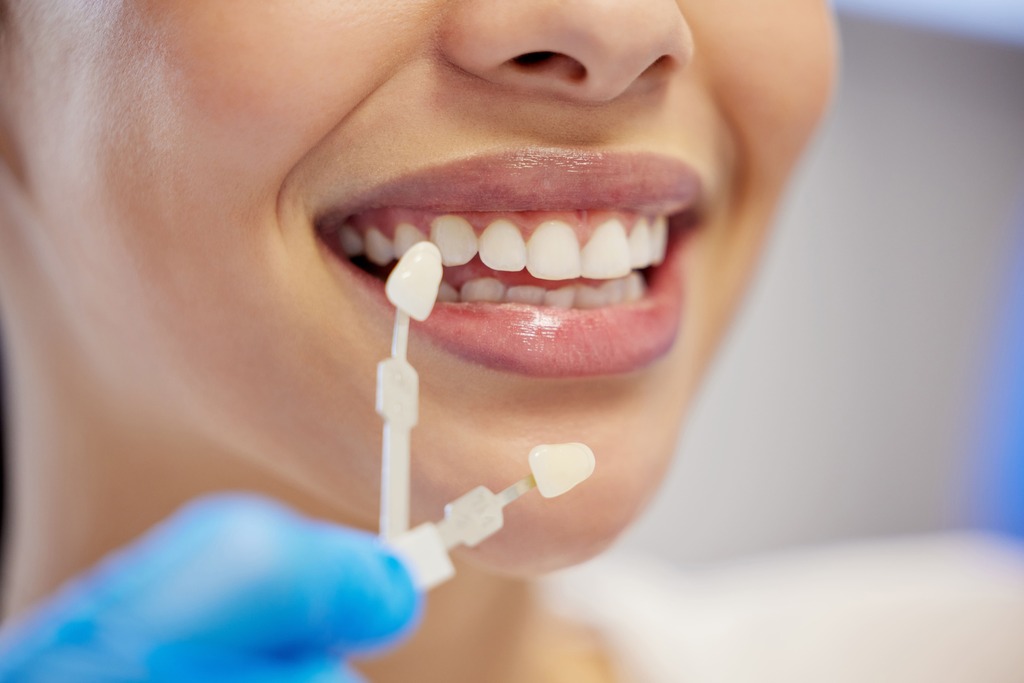
Porcelain veneers generally last 10 to 15 years, and many patients maintain their veneers for longer when they keep up regular dental visits and good oral hygiene. Your dentist can discuss expected longevity based on your specific case.
Composite bonding typically lasts around 5 to 7 years, while professional teeth whitening results generally last 1 to 3 years, depending on dietary habits, smoking, oral hygiene, and regular maintenance.
Take note: A veneer placed at 19 may need replacing well before 40. The same veneer placed at 45 could be the only one that the patient ever needs. It’s worth raising alongside readiness, not after treatment has already started.
What a Consultation Covers
- Gum health – active gum disease gets treated before anything cosmetic
- Bite and alignment – decides whether orthodontics comes first or runs alongside
- Existing dental work – old fillings or crowns often need replacing as part of the plan
- Remaining tooth structure – determines whether veneers, bonding, or crowns fit best
- Your own timeline – some plans run over months, others wrap up in weeks
None of this shows up on an age chart. It shows up in an actual examination, sometimes with digital imaging, which is why the checklist matters more than the calendar.
Your Smile Makeover Timeline Comes Down to Readiness
Teens may need to wait out jaw growth before permanent work starts, adults in their 20s and 30s often have the clearest runway, and anyone past 40 can still get strong results once gum health and old dental work are sorted first.
What decides your timeline is your own mouth condition and not your age.
Ready to find out where you stand? Book a consultation with Elements Dental, and we’ll walk through your jaw, gums, and bite before recommending anything, so your smile makeover starts at the right time for you, not just any time.
Frequently Asked Questions
How do dentists know if my jaw has finished growing?
Growth is usually assessed through a clinical exam alongside dental X-rays, which show root development, jaw structure, and whether teeth are still shifting into position. This is the same imaging used to plan orthodontic treatment, not a separate test.
Can I whiten my teeth as part of a smile makeover if I’m pregnant?
Most dentists recommend postponing elective whitening until after pregnancy and breastfeeding, not because of a known risk, but as a precaution against unnecessary chemical exposure. Other assessments, like X-rays with proper shielding, can usually still go ahead if needed.
Do I need to finish orthodontic treatment before starting the rest of a smile makeover?
In most cases, yes, for anything involving veneers or crowns. Straightening comes first so the final restorations are built on properly aligned teeth, rather than needing rework later.
Does gum disease delay a smile makeover?
Yes. Active gum disease is treated before any cosmetic work begins, regardless of age, since cosmetic restorations placed over unhealthy gums won’t hold up long-term.