
Key Takeaways
- Tooth pain can be odontogenic (originating directly from tooth issues like cavities, sensitivity, pulpitis, or abscesses) or non-odontogenic (referred pain from nearby structures like the sinuses, jaw joints, or muscles).
- Conditions affecting the inner tooth pulp or surrounding bone tissue, such as irreversible pulpitis and dental abscesses, cause lingering or throbbing pain that may require root canal treatment or other urgent dental care, depending on the severity.
- Gum soreness and bleeding are primary indicators of gum disease, which ranges from reversible gingivitis to advanced periodontitis that may require scaling and root planing.
- Discomfort located outside the teeth themselves can stem from sinus pressure, wisdom tooth impaction, or temporomandibular joint disorders (TMJD).
- Dentists accurately pinpoint the root cause of oral discomfort by thoroughly analysing five specific diagnostic factors: pain intensity, chronology, character and quality, localisation, and triggers.
Tooth pain can disrupt your day and distract you, whether you’re at work, in class, or trying to relax in the evening.
Different presentations of pain point to different underlying causes. Some come directly from the tooth itself, such as cavities, infection, or gum disease. Others are referred pains, discomfort that feels like a toothache but actually originates from nearby structures such as the jaw joint, jaw muscles, or sinuses.
In this guide, we’ll walk through the 10 most common types of tooth pain we see at Elements Dental, grouped by their true source. For each, we’ll explain the typical sensation, what it usually signals, and how a dentist for a toothache would approach diagnosis and treatment.
Pain that comes from the tooth itself (Odontogenic)
1. Cavity Pain
Chronology: Temporary and resolves quickly
Character and Quality: A sudden, sharp pinch
Localisation: The specific tooth with the cavity, usually on the chewing surface
Triggers: Whenever you bite down on food
You might notice a sudden, sharp pinch when you bite down on food, or a brief flash of discomfort when consuming sweet foods or drinks. This sensation is usually temporary and resolves quickly once the trigger is removed, but it tends to return whenever you chew with that side of your mouth.
This type of discomfort typically indicates a cavity, which forms when oral bacteria produce acids that erode your protective tooth enamel.
Once the outer layer is compromised, the softer dentine layer underneath becomes exposed to temperature and food particles, leading to brief nerve irritation.
When you visit us for a toothache assessment, we examine the area to check the extent of the decay. We remove the compromised enamel and seal the tooth using a tooth-coloured composite filling. This treatment protects the inner pathways and prevents bacteria from advancing. The seal protects the inner dentine and pulp from further irritation, relieving your cavity pain.
2. Sensitivity

Chronology: Arrives instantly and fades within seconds
Character and Quality: Sharp and sudden
Localisation: Areas with thin enamel or exposed root surfaces.
Triggers: Cold air, cold or hot drinks, sweet and/or sour foods, tooth-brushing.
This manifests as a sharp, sudden twinge that occurs when your teeth are exposed to cold air or ice water. You’ll feel this momentarily twinge across your face. The discomfort arrives and fades after the irritant leaves your mouth.
Sensitivity occurs when your protective enamel thins or your gums recede, exposing the dentin beneath. The dentin contains tubules that lead directly to the tooth nerve. As such, the cold stimulates the nerve pathways, causing them to register discomfort.
We’ll evaluate your mouth to identify areas of recession or enamel wear. We can apply desensitising agents or protective fluoride varnishes to seal the open tubules. If the root exposure is substantial, we may apply a composite resin layer to cover the surface and protect it from daily triggers.
We may also recommend a desensitising toothpaste containing potassium nitrate or stannous fluoride.
3. Dull Lingering Ache (Pulpitis)
Chronology: Continuous; persists for minutes to hours and sometimes worsens at night
Character and Quality: Dull, heavy, and deep-seated
Localisation: Difficult to pinpoint to a single tooth; you may feel it across one side of your jaw, ear, or temple area.
Triggers: Lying down, bending forward, heat, or sometimes no trigger at all (spontaneous pain)
If you feel a dull pain across your jaw that’s difficult to localise and triggers spontaneously without specific stimuli, a possible cause could be pulpitis.
Pulpitis is inflammation of the inner tissue of your tooth, the pulp, which contains the nerves and blood vessels that keep your tooth alive. It develops in two forms:
- Reversible pulpitis: the early, mild stage. Pain is sharp but fades within seconds of removing the trigger (such as cold or sweet foods). At this stage, treating the underlying cause, often with a tooth-coloured filling, is usually enough to settle the tooth down.
- Irreversible pulpitis: the more advanced stage, which is what the symptoms in this section describe. The pain lingers long after the trigger is gone, arrives spontaneously, and tends to worsen when you lie down or bend forward. At this point, the inflamed pulp cannot heal on its own and requires more definitive treatment.
Unlike a fleeting twinge, this sensation is a continuous, heavy ache that remains after you have finished eating or drinking. It can persist for minutes or hours and can become more noticeable at night, when you settle down to rest.
Also, because the pulp contains blood vessels and nerves, patients with pulpitis find the pain difficult to localise. You may know which side of your mouth is affected, but struggle to identify the exact tooth.
The pulp chamber is enclosed within hard tooth walls, so when the tissue inside swells, pressure builds up with nowhere to release, which is why the discomfort can feel disproportionate to what’s visible on the outside of the tooth.
Pulpitis is treated with an endodontic procedure known as root canal therapy.
At Elements Dental, we perform root canal therapy to remove the inflamed pulp, then clean, shape, disinfect, and fill the canal system to eliminate the source of pain and prevent reinfection. We finish by restoring the tooth, usually with a crown, to protect it from fracture and restore its full function. Pulpitis cases will differ from patient to patient, however, so each one may require a different approach.
4. Throbbing with Swelling (Dental Abscess)

Chronology: Persistent and pulses in time with your heartbeat
Character and Quality: Throbbing
Localisation: Spreads across your jawbone, ear, and cheek.
Triggers: Biting or chewing on the tooth, lying flat, or applying heat.
This is an intense and rhythmic pulsing pain that beats in time with your pulse. The discomfort does not stay confined to a single spot; it frequently radiates across your jawbone and into your ear, accompanied by visible swelling in your gums or cheek.
Seek emergency care: If facial swelling extends to other parts of the face, such as the eye, neck, or the floor of the mouth, and causes other complications such as difficulty swallowing and breathing, or if you’re experiencing a fever. Don’t wait until a dental appointment to get a look. Go to a hospital A&E immediately.
A throbbing sensation, coupled with swelling, is a primary sign of a dental abscess. This occurs when a bacterial infection spreads beyond the root tip into the surrounding bone and soft tissues, leading to fluid accumulation and pressure.
We resolve the issue via root canal treatment,drainage or extraction. We may prescribe a course of antibiotics if the infection has spread beyond the tooth, but they are not a substitute for definitive treatment (drainage, root canal therapy, or extraction).
5. Gum Pain and Soreness
Chronology: Persistent and ongoing throughout the day
Character and Quality: Tender, sore, sometimes throbbing
Localisation: Generalised across the gumline.
Triggers: Brushing, flossing, or touching your gums.
If you feel a persistent soreness across your gums—perhaps your gums may feel tender to the touch and bleed easily during your regular brushing or flossing—you’re likely dealing with gum disease.
Gum disease is inflammation of the tissues surrounding your teeth.
It develops in stages:
- Gingivitis: the early, reversible stage. Your gums become red and swollen, and they bleed when brushing or flossing (Note that brushing or flossing for the first time in a while can also cause gum bleeding without you necessarily having gingivitis). With proper cleaning and improved home care, gums can return to full health.
- Periodontitis: the more advanced stage, where inflammation extends deeper and damages the bone and ligaments supporting your teeth. While we can halt its progression, the bone loss already sustained cannot be reversed.
Both stages develop when bacterial plaque accumulates along and below the gumline. As the bacteria multiply, your body’s immune response causes the inflammation you experience as tenderness and bleeding.
At Elements Dental, the treatment depends on the stage we identify during your examination.
For gingivitis, a thorough scaling and polishing is usually sufficient. We remove plaque and hardened tartar that home brushing cannot reach.
For periodontitis, we perform scaling and root planing, a deeper cleaning beneath the gumline that removes plaque and calculus from the tooth root surfaces. This allows the surrounding tissues to reattach and heal. Depending on the severity, this may be carried out over multiple visits, and in advanced cases, we will discuss whether a referral to a periodontist (a gum specialist) is appropriate.
Regular dental check-ups, typically every three to six months for patients with a history of gum disease, help us catch any early signs of recurrence before they progress.
6. Third Molar (Wisdom Tooth) Pain
Chronology: Persistent and ongoing until medically addressed
Character and Quality: Dull and throbbing
Localisation: The very back of your mouth, behind your second molars.
Triggers: When chewing, brushing the area, or spontaneously without trigger.
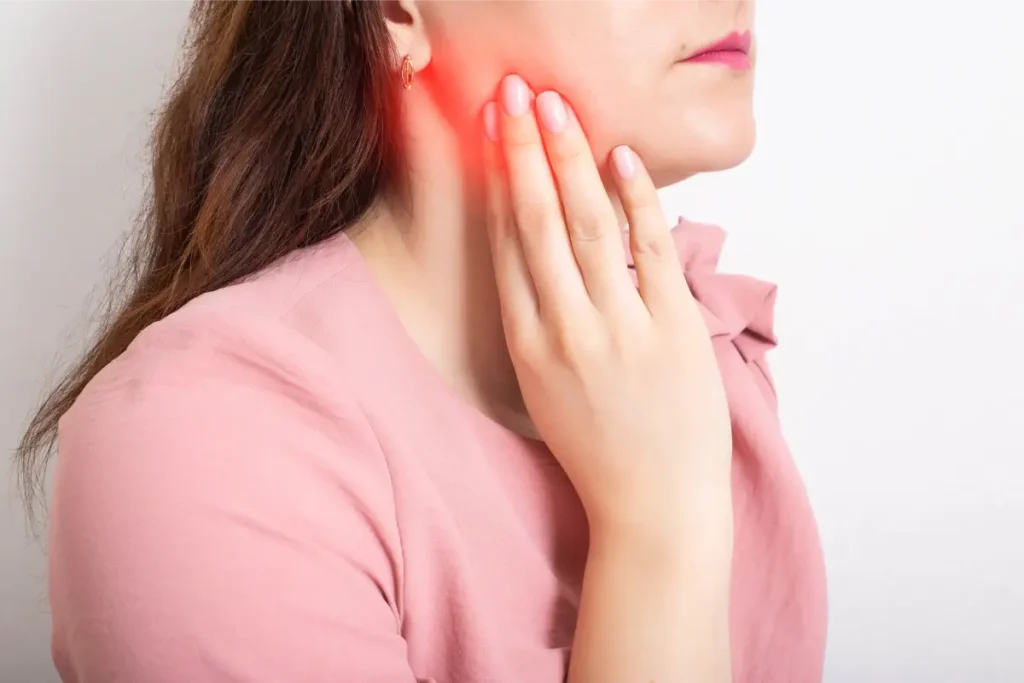
This feels like a persistent pressure or throbbing at the very back of your mouth, behind your second molars. It can make chewing difficult and may cause stiffness that limits how wide you can comfortably open your jaw.
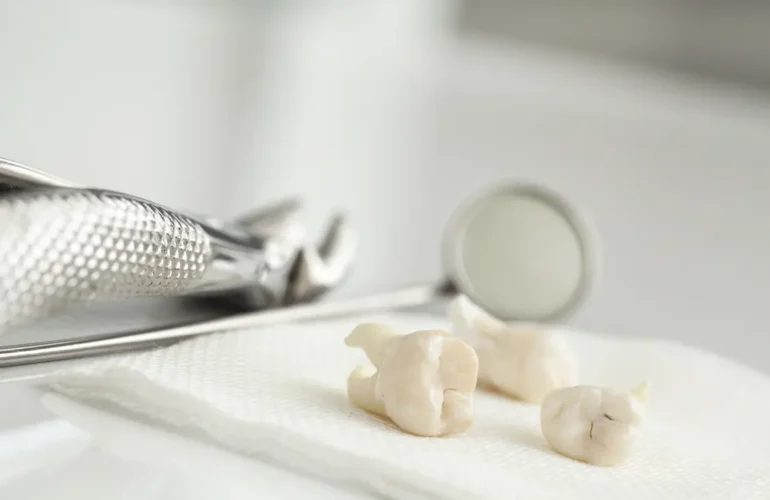
This discomfort is caused by your third molars, commonly known as wisdom teeth.
When there is insufficient space in your jaw, these teeth can become impacted, failing to erupt completely. This can cause inflammation in the surrounding gum tissue, known as pericoronitis. This results in food and bacteria becoming trapped beneath the flap formed by the partially erupted tooth, which contributes to increased inflammation and discomfort.
Wisdom teeth can also cause discomfort, even if they haven’t erupted at all. As the third molars try to erupt through the gums, they might instead press against the second molars, resulting in pain and difficulty focusing for the patient.
We’ll take an X-ray to assess the orientation of the wisdom tooth. We will clean the inflamed gum tissue and discuss whether a routine extraction or a surgical wisdom tooth removal is necessary. For eligible surgical wisdom tooth cases, Medisave may be claimable, subject to prevailing guidelines and clinical assessment
Pain that feels like a toothache but comes from elsewhere (Non-Odontogenic / Referred)
The following conditions are not true toothaches; they are pains that originate outside the tooth but can be mistaken for a toothache. Their effects on a patient’s day-to-day can be as disruptive as a toothache, causing them to lose focus and to have difficulty eating, lying down, and performing certain physical activities.
Part of our role at Elements Dental is to make this distinction during diagnosis.
7. Aching in Upper Teeth (Sinus-Related)
Chronology: Continuous and worsens with sudden head movements
Character and Quality: Dull and heavy
Localisation: Upper molars
Triggers: Bending forward, lying down, or during a cold/sinus infection
This presents as a dull, heavy discomfort that affects several of your upper back molars rather than a single tooth. You might notice that the ache worsens when you walk or move your head suddenly.
Although the pain feels like a toothache, it is actually a form of referred pain; the discomfort originates from the maxillary sinuses above your upper teeth, not from the teeth themselves. The roots of your upper back teeth, particularly the second premolar through second molar, sit very close to the floor of the maxillary sinuses.
Any pressure buildup within the sinus cavities directly compresses the dental nerves, creating tooth-like pain.
We’ll examine the upper molars and run vitality tests to confirm the teeth are healthy. If no dental cause is found, we will discuss the likelihood of a sinus-related cause and may recommend you see your GP or an ENT specialist.
8. TMJ Pain

Chronology: Regular and persistent during jaw movement
Character and Quality: Dull
Localisation: In front of your ear, radiating into your lower jaw or cheek.
Triggers: Opening your mouth.
Although temporomandibular joint (TMJ) pain is not a true toothache, it is one of the most common conditions mistaken for one. Patients usually arrive convinced that a back tooth is the problem when, in fact, the pain is coming from the jaw joint or surrounding muscles.
This feels like a dull, aching discomfort centred just in front of your ear, radiating downward into your lower jaw or cheek. You can notice clicking or popping sounds when you open your mouth to talk or eat.
This pain stems from temporomandibular joint dysfunction (TMD). It’s an umbrella term for various mechanical issues your TMJ can experience when you open and close your mouth. It can be caused by jaw clenching or grinding, muscle overuse, stress, trauma, and joint disc problems.
We’ll evaluate your jaw movement and assess your bite alignment. Sometimes, we provide a custom-made splint or night guard to reduce strain on the joints.
We also use a deprogrammer, an appliance that breaks your jaw’s habit of finding the optimal occlusion. This “deprograms” the jaw from that habit so we can find your jaw’s true, relaxed neutral position. With this device, we can determine whether your jaw pain is due to muscle strain or a structural issue with the joint.
In selected cases, we may consider minor occlusal adjustments through orthodontics, but only after conservative treatments such as splint therapy and jaw exercises have been tried.
9. Bruxism-Related Pain

Chronology: Upon waking in the morning
Character and Quality: Sharp (teeth) and dull (temples)
Localisation: Across multiple teeth (sharp) and at the temples (dull)
Triggers: Sleep, periods of stress, or concentration.
You will typically notice this as a broad, generalised ache across multiple teeth or a tired feeling in your jaw muscles when you wake up in the morning. It can also cause a dull morning headache centred around your temples.
This discomfort is caused by muscle fatigue, tooth wear, and microtrauma resulting from the habitual grinding or clenching of teeth. This happens unconsciously while you sleep, or during periods of elevated stress throughout the day. This habitual grinding is known as bruxism.
Bruxism-related pain is not a true toothache. The pain comes from overworked jaw muscles and worn tooth surfaces, not from inside the teeth themselves.
Bruxism can be categorised into two types:
- Sleep bruxism (SB): unconscious grinding during sleep
- Awake bruxism (AB): typically clenching during the day, often stress-related
We’ll check your enamel for wear facets and micro-fractures. To treat this, we create a custom night guard that you wear during sleep. This appliance absorbs the forces of clenching and protects your teeth from physical damage.
For awake bruxism, we discuss habit-awareness techniques and stress management to help address unconscious grinding through the day. We can also create daytime splints that you can wear with minimal disruption to your daily life, allowing you to still talk and work. In some cases, it could be due to general wear and tear of your teeth, cracked teeth or severely worn-down teeth from acid erosion. This may require full-mouth rehabilitation to restore the lost vertical dimension, prevent tooth fractures, and rebuild your bite.
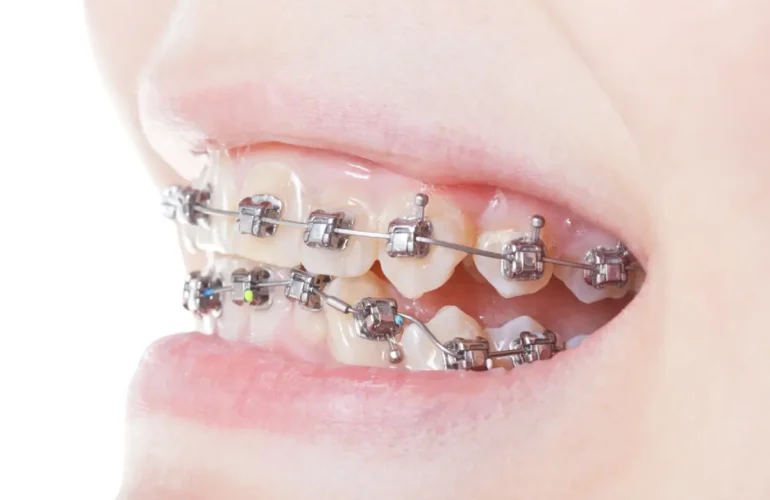
10. Mechanical Orthodontic Pain (Braces & Clear Aligners)
Chronology: Following dental adjustments
Character and Quality: Dull / A generalised tightness
Localisation: Areas of tooth movement
Triggers: Recent orthodontic adjustments, new aligner trays, or biting on firm foods during treatment.
Unlike a typical toothache, this discomfort is not caused by disease in the tooth, it’s the natural response of your body to teeth being actively moved. It feels like a generalised tightness or aching pressure across your entire dental arch, not localised to a single tooth, and typically feels like a bruise when you bite into food.
This pain is mechanical and occurs after your regular orthodontic adjustments or when you progress to a new set of clear aligners.
The continuous forces applied to move your teeth temporarily compress the surrounding periodontal ligament, triggering a natural inflammatory response. This is part of how teeth biologically reposition, but it’s also why you feel discomfort for a few days after each adjustment.
The pain will be localised in areas that require the most movement. If your canines are out of position, then you’ll notice that they will ache more than your other teeth, as your braces or aligners work to get them into position.
At Elements Dental, we review your treatment progress to ensure the forces moving your teeth are safe and within comfortable ranges. Orthodontic discomfort typically subsides within three to seven days after each adjustment, and most patients find it less noticeable and intrusive as the body adapts.
How a Dentist for Toothache Diagnoses the Source of Your Pain

Tooth pain is rarely random; every detail you describe helps us narrow down the cause.
At Elements Dental, we typically assess pain through four key factors:
Intensity
We also consider how mild, moderate, or severe the discomfort feels to you, as this can help us understand how advanced the underlying issue may be.
Normally, patients come to us only when their tooth pain becomes unbearable and interferes with their day-to-day life. We highly suggest going in for an appointment while the pain is still manageable, as this can help us diagnose the pain’s source and prevent it from worsening.
Chronology
We will ask you exactly when the pain first started and how long each episode lasts.
For instance, pain that flares up momentarily and disappears is different from an ache that remains for hours.
Character and Quality
The precise sensation you experience provides us with more insight into the underlying causes of your toothache.
Different types of tooth pain can fall into each of the following categories:
- Sharp or Lancinating: A sudden, piercing, and intense flash of pain. It feels like an immediate electric shock, sting, or sharp pinch that hits rapidly, cuts through the area instantly, then fades.
- Dull or Throbbing: A heavy, deep, and rhythmic discomfort that pulses steadily in sync with your heartbeat. It behaves like a constant, pounding ache, creating a heavy sensation of fullness or internal pressure.
- Inflammatory or Pressure-Driven: A continuous, gnawing ache that intensifies dramatically upon direct contact, tapping, or changes in head position. It feels like a tense, bruised soreness inside the bone that magnifies when any weight or pressure is applied to the area.
Localisation
Localisation refers to your ability to pinpoint the exact tooth causing your discomfort. This is one of the more straightforward ways we determine where the underlying issue stems from. Pain emanating from the back indicates a likely impacted wisdom tooth.
When a pain pathway is well-localised, you can easily tap or point to the problematic tooth.
However, if the discomfort is diffuse and you feel a generalised ache across your whole jaw, the inflammation is likely confined to the pulp chamber, where blood vessels and nerves have been affected. This makes clinical tests such as percussion and palpation essential to identify the correct site.
Triggers
Identifying what initiates or worsens your toothache helps us understand what’s happening inside the tooth.
We will ask if the pain responds to cold air, hot liquids, sweet foods, or direct biting pressure.
We also look at whether the discomfort occurs spontaneously, without any trigger.
By mapping these environmental and physical triggers, we can accurately diagnose your condition.
Book a Consultation with a Dentist for a Toothache at Elements Dental!
At Elements Dental in Bukit Timah, we focus on accurately identifying the cause of your tooth pain so we can recommend appropriate treatment based on your condition.
If your symptoms persist or worsen, see a dentist for a toothache at Elements Dental for an assessment.