Many people assume that orthodontic care is purely an aesthetic pursuit designed to straighten crooked teeth and modify the frontal profile of your smile.
However, orthodontics goes beyond just aesthetics. It primarily focuses on the overall function of your mouth. The way your upper and lower teeth meet affects your entire chewing system. The way your teeth come into contact also determines how your jaw moves to bring your upper and lower arches together. As such, if you are experiencing jaw discomfort, one likely culprit could be an improper bite.
A straighter smile is just one of the outcomes of this bite correction. Choosing orthodontics in Singapore means addressing how your teeth work together, not just how they look.
Common Bite Issues Orthodontic Treatment Can Address
Malocclusion is the clinical term for an improper bite layout.
When your teeth do not line up correctly, the condition can fall into several distinct categories:
Crowding (Class 1 Malocclusion)
A Class 1 alignment means that your overall jaw relationship is correct. Your upper and lower jaws meet exactly where they should when you close your mouth. However, you still experience bite issues because your teeth are crowded, overlapping, crooked, or rotated within the dental arch.
This occurs when your jaw lacks the physical space to accommodate all your adult teeth naturally. You might notice that certain teeth twist sideways or get pushed entirely out of alignment.
Crowding makes maintaining oral hygiene difficult, as plaque accumulates easily in the overlapping spaces where toothbrushes and dental floss cannot easily reach. Over time, this plaque retention can increase the risk of tooth decay.
Overbite (Class 2 Bite Patterns)
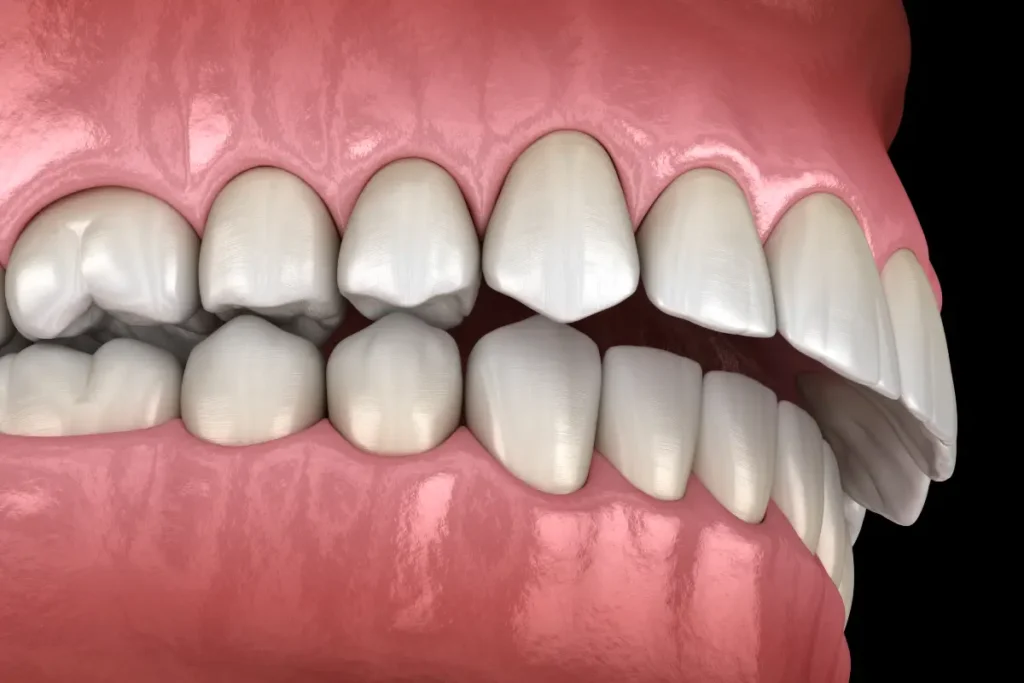
A Class 2 malocclusion occurs when your jaw projects ahead of your lower jaw. This position creates a noticeable horizontal overlap between the front teeth. People often refer to this layout as protruding front teeth or buck teeth.
There are two terms you’ll hear from your dentist when you have a Class 2 bite pattern:
- Overjet: The overjet is the distance the upper teeth protrude forward in front of the lower teeth. Think of it like a balcony sticking out from a building.
- Overbite: An overbite, on the other hand, is how much the upper teeth cover the lower teeth vertically when you bite down. Much like window blinds being pulled down.
This alignment frequently stems from developmental factors, such as a smaller lower jaw relative to your upper jaw.
Because the upper front teeth protrude, they are more vulnerable to being chipped during sports, falls, or accidents.
A Deep Bite is a particular type of Class 2 misalignment where the vertical overlap is highly pronounced. When you close your mouth, your upper front teeth cover your lower front teeth completely, hiding them from view.
In some cases, your lower front teeth can press directly into the gum tissue behind your upper teeth when you bite down.
Other Bite Patterns: Underbite, Open Bite, and Crossbite
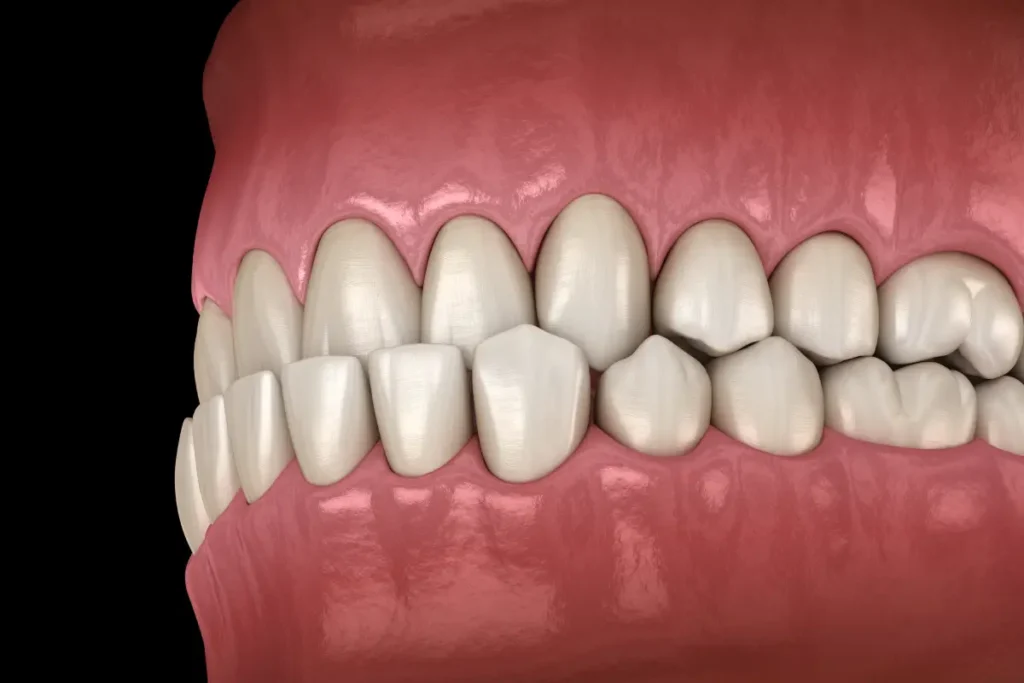
Crowding and overbite are among the more common bite issues we address at our practice. However, we occasionally come across the following as well:
-
Underbite:
A Class 3 malocclusion represents the opposite pattern of an overbite. In this scenario, your lower jaw and lower teeth protrude forward, sitting entirely in front of your upper front teeth when your mouth is closed. This configuration is often hereditary and involves the actual position of your jawbones rather than just the alignment of individual teeth.
-
Open Bite:
An open bite occurs when your back teeth touch completely, but your front teeth fail to meet. This gap can make it challenging to bite through food because your front teeth cannot physically touch each other to cut it.
-
Cross Bite:
A crossbite occurs when your teeth misalign laterally from side to side. Certain upper teeth tuck completely inside your lower teeth when you close your mouth. To compensate for this uneven lateral contact, you may unconsciously shift your lower jaw to one side when chewing. This places asymmetric pressure on your joints and uneven enamel wear on your teeth.
How Improper Occlusion Can Affect Oral Function and Comfort
Your chewing system relies on even pressure distribution to function comfortably. An improper occlusion can introduce uneven mechanical stress to your mouth, which may result in any of the following:
Jaw Joint and Muscle Symptoms
Your temporomandibular joints connect your lower jawbone to your skull, acting as sliding hinges that allow you to open your mouth, speak, swallow, and chew.
An improper bite makes these joints compensate for the malocclusion—working outside their intended alignment.
This can result in familiar issues, such as popping and clicking when you open your jaw, muscle tension, and jaw fatigue, which can lead to chewing discomfort.
This continuous muscular exertion can lead to temporomandibular joint disorders, commonly known as TMJD, in which you experience jaw locking and a host of other jaw-related issues.
Uneven Tooth Wear and Damage to Tooth Structure
An uneven bite means that certain teeth bear more amount of force than the others every time you eat or clench your jaw.
This can result in localised sensitivity in specific areas, as the enamel there has worn down faster, exposing the dentin.
An ideal bite results in an even distribution of bite forces, preventing any specific area from wearing down more quickly.
Chewing Difficulty and Uneven Bite Pressure
Malocclusions, such as open bites or underbites, prevent your teeth from making the necessary contact to grind or slice food efficiently. To compensate, you might find yourself chewing for longer periods, favouring one side of your mouth, or avoiding harder foods entirely.
How Orthodontics in Singapore Helps Correct Bite Problems
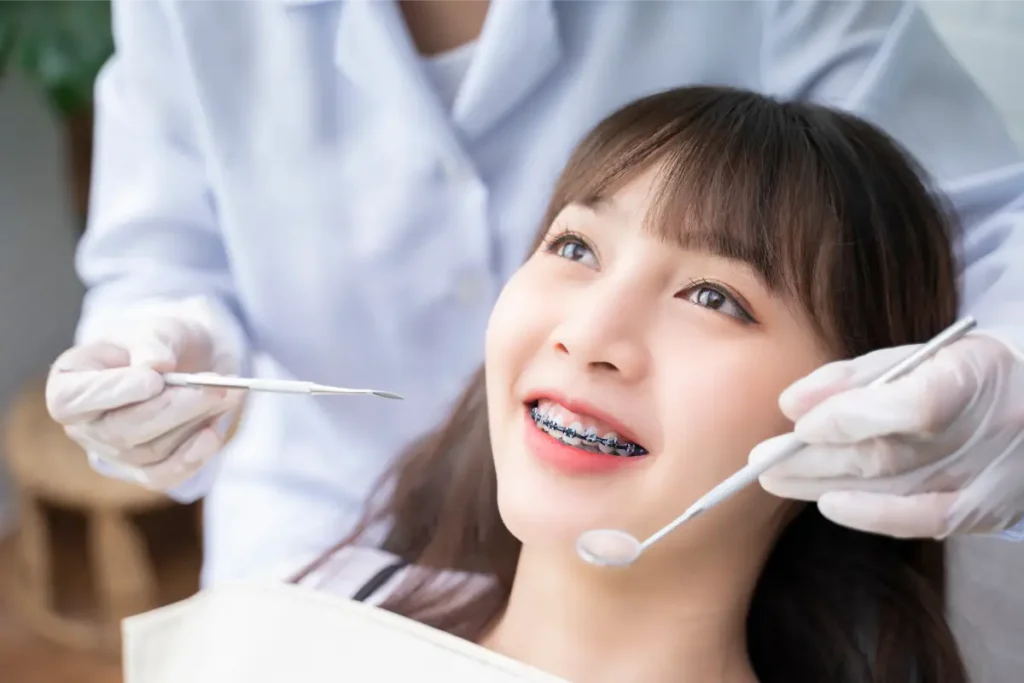
Orthodontics in Singapore focuses on harmonising your dental arches, jawbones, facial muscles, and supporting ligaments.
By applying continuous, controlled forces, orthodontic care aims to guide your teeth into positions that distribute biting pressure evenly across your entire mouth.
Here’s how orthodontics helps reduce contributing bite factors associated with jaw discomfort in some patients.
Moving Teeth into Better Alignment
The primary mechanism of orthodontic treatment involves moving individual teeth within the jawbone.
When an appliance applies pressure to a tooth, it initiates a cellular response in the surrounding bone tissue.
The bone in front of the moving tooth experiences compression, causing cells to clear away tiny amounts of bone material. Meanwhile, new bone tissue deposits in the space left behind the tooth.
This continuous process allows your teeth to migrate through the jaw into a more aligned configuration.
Improving How the Upper and Lower Arches Meet
When your bite issue stems from a mismatch between your upper and lower jaws, such as an overbite or an underbite, treatment is beyond individual tooth alignment.
Orthodontics addresses the front-to-back relationship between your dental arches by altering how they close together.
For growing patients, certain appliances may help guide jaw development as part of bite correction.
For adult patients whose jaw growth has ceased, orthodontists use carefully directed forces to move the upper teeth backwards while shifting the lower teeth forward, or vice versa.
This spatial modification helps your upper and lower teeth meet in a functional position.
Creating Space and Correcting Width Imbalances
A crossbite occurs when your upper dental arch is too narrow relative to your lower arch. This mismatch prevents your back teeth from interlocking properly, causing your jaw to slide sideways to find a resting position.
Orthodontic interventions can address this width discrepancy by physically widening the upper arch.
In younger patients, this involves expanding the palate before the bone halves fuse completely.
In adults, it involves tipping the upper molars outward to achieve proper coordination with the lower teeth.
Widening the arch eliminates the lateral jaw shift, allowing you to open and close your mouth properly.
Treatment Options That May Be Used to Correct Bite Issues
To guide your teeth and jaws into a functional position, orthodontists utilise a variety of specialised apparatuses. These tools include:
Brackets and Archwires (Braces)
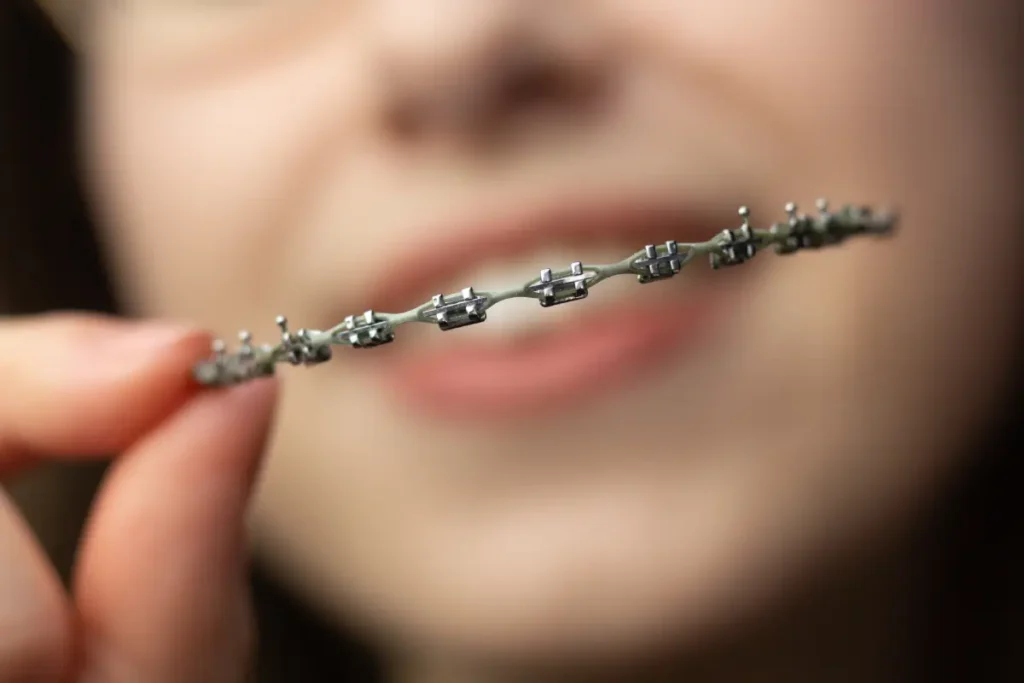
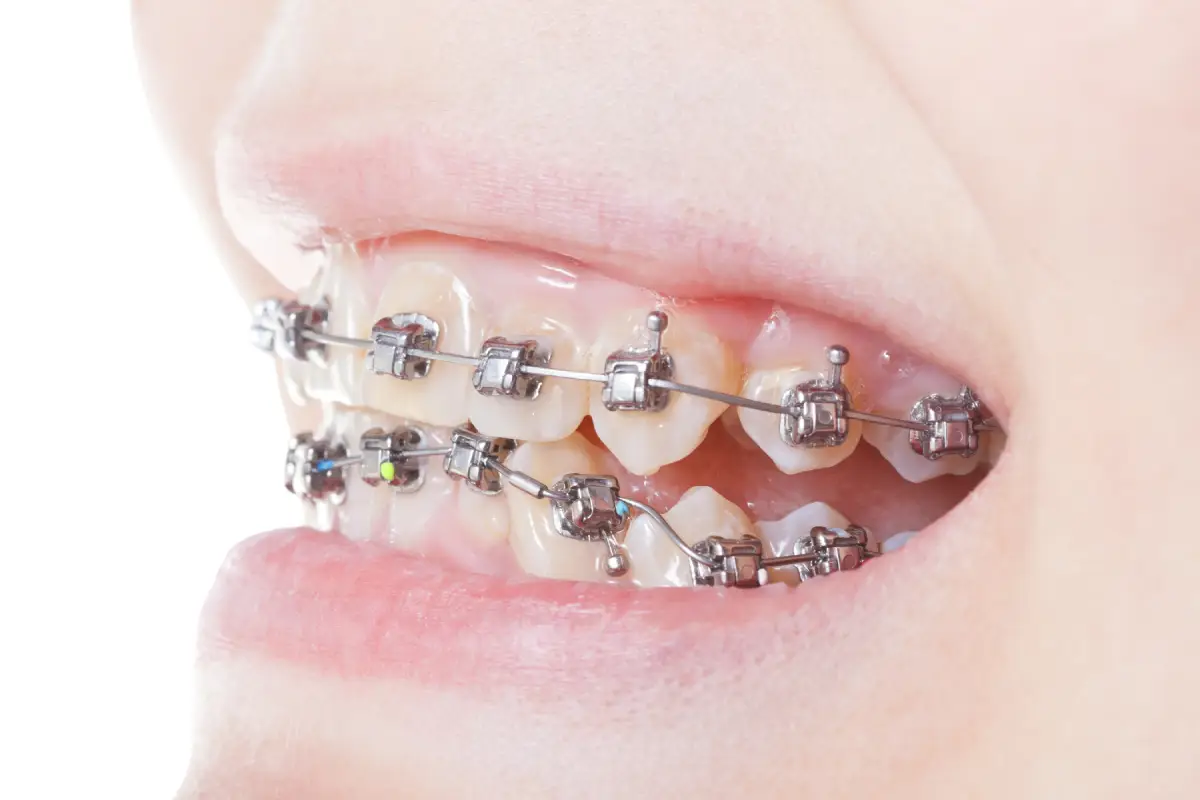
Traditional braces consist of two main components: brackets and archwires.
Brackets are small metal or ceramic components bonded directly to the front surfaces of your teeth, acting as anchors.
The archwire is a flexible metal wire that runs through the slots of each bracket across the entire arch.
The archwire possesses shape memory, meaning it naturally wants to return to its original, ideal curvature. As it flexes to fit into your misaligned brackets, it exerts a constant pull that guides your teeth into a uniform alignment.
This tool helps correct crowding and realign poorly positioned teeth.
Clear Aligners
Clear aligners are a removable alternative to traditional braces, utilising a series of custom-made plastic trays to straighten teeth. Clear aligners, such as Invisalign, may be used in selected cases.
Unlike braces, aligners do not rely on brackets or wires; instead, they are made from a smooth polyurethane resin. They fit onto the teeth, moving them into the position the aligner tray shifts them to.
Services like Invisalign will provide multiple trays, with each tray moving the patient closer to their ideal smile. Each tray in the series is uniquely shaped to be different from the last, applying sequential pressure to specific teeth.
Elastics and Other Bite-Correction Aids
In addition to braces, your orthodontist may use other tools as well to get your jaw to move into the desired position.
- Intermaxillary Elastics: Rubber bands that you hook between particular points on your upper and lower braces. These bands modify the connection between your upper and lower jaws. By stretching from the top arch to the bottom arch, these elastics pull to shift your bite configuration.
- Herbst Appliance: The Herbst appliance is a fixed device used primarily to address severe Class 2 overbites in growing patients. This appliance holds your lower jaw forward. It prevents you from pulling your lower jaw backwards—training your facial muscles and encouraging the lower jaw bone to adapt to a forward position.
- Palatal Expander: An appliance designed to correct a narrow upper jaw and resolve posterior crossbites. It sits against the roof of your mouth and anchors securely to your upper back teeth. The device features a central screw mechanism that is activated incrementally using a small key. Turning the screw applies a lateral force that separates the two halves of your upper jawbone.
Temporary Anchorage Devices
Temporary Anchorage Devices, commonly known as TADs, are miniature titanium screws placed directly into your jawbone. They act as fixed, immovable anchor points within your mouth.
In traditional orthodontics, anchoring to one tooth can inadvertently cause neighbouring teeth to shift out of place. By utilising a TAD, your orthodontist can apply force against a completely stable base in the bone rather than against a tooth. This allows them to achieve various tooth movements, such as intruding an over-extruded molar or pulling front teeth backwards, without causing unwanted movement in neighbouring teeth.
Retainers
Retainers are orthodontic appliances designed to stabilise and maintain the position of your teeth after orthodontic treatment is complete.
While braces and aligners work to actively move teeth into alignment, a retainer holds them there.
Teeth will shift back toward their original, misaligned positions once braces or aligners are removed.
The surrounding bone and periodontal ligaments require time to remodel and solidify around the new arrangement. So, while this solidification occurs, retainers hold your teeth in place so the jawbone can solidify into your new bite position.
This tool helps protect your investment by maintaining the corrected position of the teeth after treatment.
When to Consider an Orthodontic Assessment
Most people determine they need braces with a simple look in the mirror. They aren’t satisfied with their smile, so they decide to get braces. This is a valid assessment.
However, deciding whether you need braces also means observing your mouth’s daily comfort.
Consider scheduling an orthodontic assessment if you experience any of the following indicators:
- Visible Spatial Issues: This includes teeth that are visibly crowded, overlapping, severely rotated, or spaced too far apart. This is the most immediate and obvious sign that people notice—simply not being satisfied with how their smile looks.
- Jaw Discomfort or TMJ Symptoms: If you frequently experience clicking, popping, or grating sounds when opening your mouth, or if your jaw muscles feel fatigued and sore after eating or waking up, your bite’s alignment might be one of the causes.
- Difficulty Maintaining Oral Hygiene: If your teeth are crowded to the point where dental floss consistently shreds, snaps, or cannot physically pass between teeth, plaque will accumulate.
An orthodontic assessment provides a comprehensive diagnostic overview using X-rays and 3D modelling. This evaluation allows a professional to identify inefficiencies in your oral anatomy and map out a targeted treatment pathway specifically for you.
Address Crowding, Overbite, and TMJ Through Orthodontics in Singapore
Bite misalignments can lead to a range of complications, including jaw muscle fatigue, tooth wear, and localised discomfort.
Orthodontic care goes beyond improving the appearance of your front teeth; it addresses the underlying mechanics of your mouth’s daily function.
If jaw pain, an uneven bite, or crowded teeth are affecting your daily comfort, an orthodontic assessment can pinpoint the cause and how to fix it. Book a consultation with Elements Dental to explore treatment options tailored to your bite and jaw concerns. Our dental practice is conveniently located in Bukit Timah.