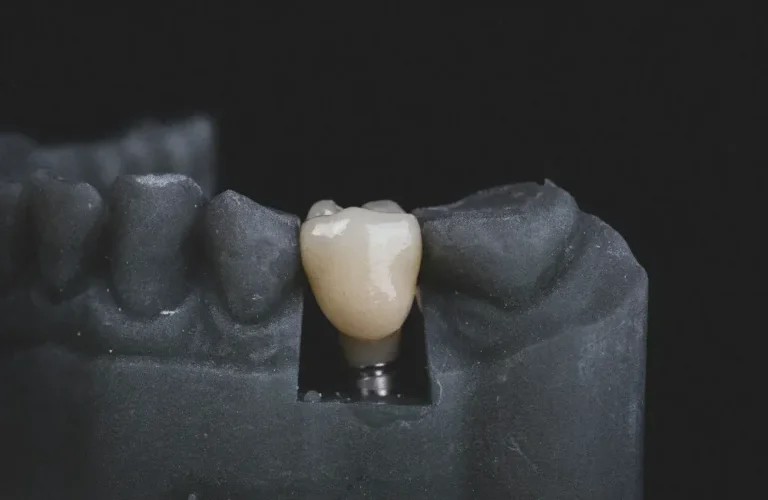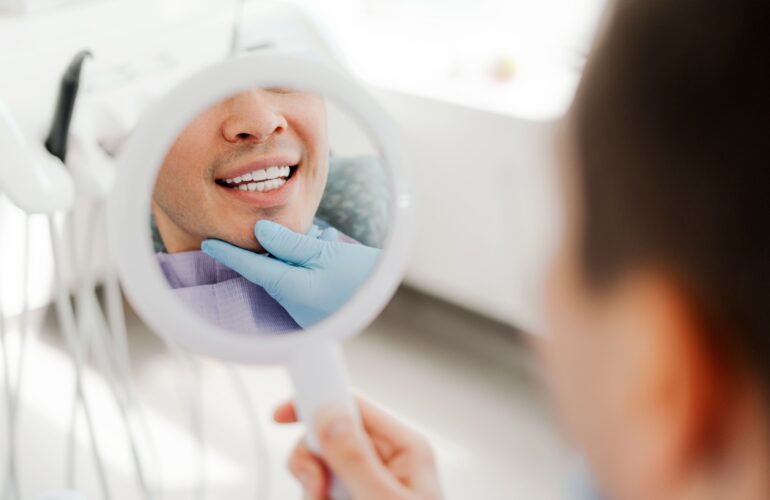

Many patients only seek treatment once the discomfort has become severe. However, our bodies go through plenty of signs that we often overlook due to our busy lives.
Recognising when a routine visit needs to become an immediate priority is key to protecting your smile. Our guide outlines the importance of preventive dental visits and details the specific physical symptoms that warrant seeking clinical attention.
It is important to note that tooth pain is not the only sign that you may need a dental check-up. So be sure to keep reading.
Key Takeaways
- Regular dental check-ups can help detect tooth decay and gum disease early, and may also reveal oral signs associated with broader health conditions.
- Recognising warning signs such as persistent tooth pain, localised sensitivity, or a chipped tooth is important for protecting your natural tooth structure.
- Bleeding gums and chronic bad breath can be signs of underlying inflammation or bacterial buildup and should be professionally assessed.
- Many oral conditions can develop without immediate pain and may go unnoticed without a clinical examination or imaging where necessary.
- Many patients benefit from check-ups every six months, but the ideal interval should be based on a dentist’s assessment of their oral health and risk factors.
Importance of a Dental Check-Up to Your Oral Health
A routine dental check-up does much more than clean your teeth. It provides a comprehensive evaluation of your oral health, including your teeth, gums, tongue, and jaw.
Dental professionals are trained to identify common oral health concerns such as tooth decay and gum disease. They may also recognise oral signs that could be associated with broader health conditions and recommend further medical evaluation where appropriate.
Early detection matters because many dental problems worsen over time without treatment. While some very early stages of tooth decay may be arrested or reversed with fluoride-based care, more advanced decay can progress and may eventually lead to pain, infection, or more complex treatment needs.
A dental check-up also allows your dentist to assess the condition of existing dental work, such as fillings and crowns, to ensure they remain stable and functional. Overall, regular preventive care plays an important role in maintaining long-term oral health.
Signs You Might Need a Dental Check-Up Immediately
While routine care is designed to prevent problems, acute symptoms require prompt evaluation. If you experience any of the following signs, it is highly recommended to contact a dental clinic to book a focused assessment.
Note: It’s very important that you do not diagnose yourself with this guide. Though some symptoms are likely and general signs of some mouth complications, every patient’s case is different. Do not solely rely on this guide for oral advice; consult a dentist immediately if you’re anxious about your oral health!
Signs you might need to see a dentist are the following:
Tooth Pain
Pain is your body’s primary alarm system, and tooth pain is rarely something you should ignore. A toothache can range from a dull, constant ache to sharp, stabbing sensations.
Spontaneous pain that wakes you up at night or pain that lingers long after a stimulus is removed is particularly concerning.
Tooth pain is a symptom of a variety of underlying issues
- This discomfort could signal that decay has reached the sensitive inner layer of the tooth, known as the dentin, or even the dental pulp where the nerves reside.
- It could also indicate an abscess, which is a localised pocket of pus caused by a bacterial infection.
- If localised at the back of the mouth, it could be a sign of an unerupted wisdom tooth that’s hitting the adjacent teeth, prompting a wisdom tooth removal
Chipped Tooth
Enamel is the hardest substance in the human body, but it is not indestructible. Biting down on hard foods, a fall, or using your teeth as tools can result in a fracture.
Sometimes, you may notice a visible chip, or a tooth may feel uneven to your tongue—what was once smooth may now feel sharp or jagged.
Because a chip can compromise the tooth’s protective outer layer, it should be assessed promptly by a dentist. Depending on the extent and location of the damage, treatment may include dental bonding, a filling, or another suitable restorative option.
Sensitivity
It is common to experience a fleeting twinge when eating something very cold or very hot. However, localised, persistent sensitivity to temperature, sensitivity to sweets, or sensitivity to brushing indicates an underlying problem that needs to be assessed.
When the outer enamel wears down or the gums recede, the underlying dentin layer becomes exposed. When hot, cold, or sweet substances touch these exposed tubules, they stimulate the nerves, causing sharp discomfort.
Dentists need to investigate whether this sensitivity is caused by a cavity, gum recession, or a cracked tooth.
Bleeding Gums
Healthy gums are firm, pale pink, and do not bleed during brushing or flossing. Bleeding gums are a classic sign of inflammation, usually caused by the buildup of bacterial plaque along the gum line.
Persistent bleeding gums could be a sign of gingivitis, the earliest stage of gum disease. Gingivitis is reversible with proper clinical intervention and improved home care. However, if left untreated, it can advance to periodontitis, where the gums pull away from the teeth, and the supporting bone is destroyed, which can lead to tooth loss.
Note: bleeding gums aren’t always an indicator of gingivitis. Perhaps you just brushed or flossed a little too hard.
Chronic Bad Breath

We experience bad breath after consuming garlic or onions. However, chronic bad breath, clinically known as halitosis, that persists despite regular brushing and flossing, may indicate an underlying oral health issue.
This persistent odour is often caused by volatile sulfur compounds produced by anaerobic bacteria living in the mouth.
These bacteria thrive in deep cavities, in the pockets formed by gum disease, or on the back of the tongue. Chronic bad breath is frequently an indicator of active decay or advanced gum disease, both of which require clinical treatment to resolve.
Anxiety Around Oral Health
If you find yourself frequently worrying about the condition of your teeth, searching online for explanations of your symptoms, feeling self-conscious about your smile, or experiencing persistent anxiety about your oral health, it may be a good time to speak with a dental practitioner.
Even if no significant issue is found, the reassurance that comes from a professional assessment can be valuable and may help reduce unnecessary worry.
A dentist can also provide personalised advice on your oral hygiene based on a clinical examination of your teeth and gums, which may be more relevant to your situation than general online information.
Common Issues That Can Go Undiagnosed
Many oral health conditions develop without causing noticeable pain in the early stages. This makes routine examinations vital, as clinical experts have the tools and training to spot these issues before they cause lasting damage.
Some issues we commonly identify during examinations include that some patients delay evaluation longer than ideal to get checked, including the following:
Persistent Wisdom Tooth Pain
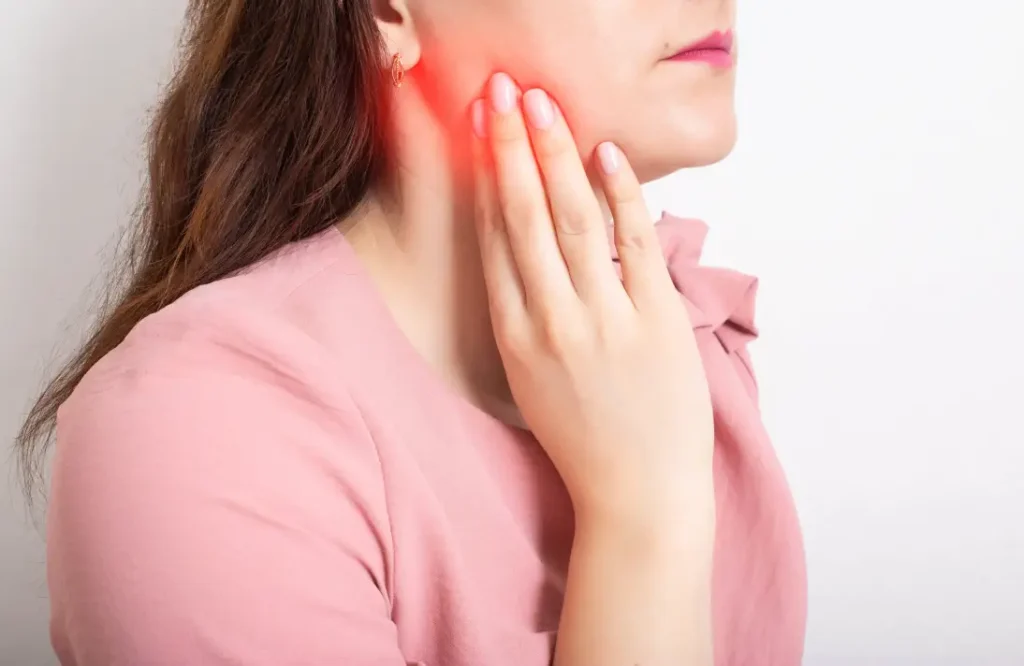
Wisdom teeth, or third molars, are the last teeth to emerge, usually in a person’s late teens or early twenties. Because the jaw may not always have enough space to accommodate them, these teeth can sometimes become impacted, meaning they remain partially or fully trapped beneath the gums or bone.
Impacted wisdom teeth may cause pain, inflammation, infection, difficulty with cleaning, or damage to adjacent teeth, and should be assessed on an individual basis.
Many people seek evaluation only when the discomfort becomes significant. However, early signs of a wisdom tooth problem may begin as mild pain, tenderness, or pressure at the back of the mouth, which can be easy to dismiss at first.
Tooth Decay
Tooth decay occurs when bacteria in the mouth produce acids that actively demineralise the hard structures of the tooth. In its earliest stages, decay appears as a chalky white spot on the enamel, representing a loss of calcium.
At this initial stage, the process can be reversed through fluoride treatments and remineralisation strategies.
Because early decay is completely painless, patients rarely know it is happening. A dental check-up can help detect and stop decay before it breaches the enamel and requires a filling.
Cavities
A cavity is the physical hole that forms in a tooth when decay is left untreated, and the enamel finally breaks down.
By the time a cavity forms, damage to the tooth structure has already occurred.
While small cavities might still be painless and easily dismissible in the busy lifestyle of an individual, larger cavities trap food, creating a cycle that furthers decay.
Dentists must remove the decayed portion and place a filling to restore the tooth’s structure and prevent bacteria from reaching the tooth’s nerve. Though cavities can be treated with fillings, the damage to the natural tooth structure cannot be reversed.
Halitosis
People are often unaware of their own breath, and others may hesitate to mention it.
As a result, halitosis may go unnoticed until someone close to the patient raises the concern or it is identified during a dental visit. In some cases, individuals may remain unaware of the issue in daily life, especially if no one around them brings it to their attention.
This can make halitosis difficult to detect without a professional assessment. In many cases, the issue only becomes apparent during a dental appointment for another concern, such as tooth pain or gum irritation.
Because some oral health problems develop without obvious symptoms, regular dental reviews remain important. Many patients benefit from check-ups every six months, but the ideal frequency should be based on a dentist’s assessment of their oral health and risk factors.
Enamel Abrasion
Many undiagnosed issues can arise from improper brushing. This one, on the other hand, is a result of excessive brushing.
Enamel abrasion refers to the non-bacterial loss of tooth structure caused by mechanical forces. The most common cause is aggressive toothbrushing, especially with a hard-bristled brush, abrasive toothpaste, or overzealous brushing.
Abrasion typically manifests as notches or grooves near the gum line of the teeth. Over time, mechanical wear exposes the sensitive dentin beneath, increasing sensitivity and the risk of decay.
Gingival Recession
Gingival recession is the process by which the gum tissue margin that surrounds the teeth wears away or pulls back, exposing more of the tooth or its root.
When this occurs, pockets or gaps form between the teeth and the gum line, allowing disease-causing bacteria to accumulate.
Causes include aggressive brushing, periodontal disease, and genetic predisposition. Because it happens gradually, many people do not notice their gums receding until the exposed roots begin to cause severe sensitivity or aesthetic changes.
The Last Resort: Restorative Dentistry
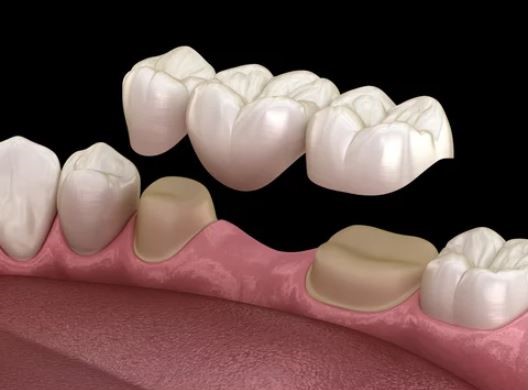
When preventive care is not maintained, restorative dentistry becomes necessary to restore the mouth to full function.
Restorative procedures are designed to repair or replace damaged or missing teeth.
Common restorative treatments include dental crowns, which serve as protective caps for weakened teeth; dental bridges; and dental implants to fill gaps left by missing teeth. Removable dentures are also an option.
While these solutions are highly effective at restoring chewing function and smile aesthetics, they are considered a fallback. Preserving your natural tooth structure through regular check-ups is always the primary goal of dental healthcare.
Don’t Delay Your Dental Check-Up!
Taking care of your smile involves both good home care and regular professional support.
Waiting until discomfort becomes severe can sometimes mean that more extensive treatment is needed. Paying attention to symptoms such as localised sensitivity, bleeding during brushing, or persistent discomfort can make a meaningful difference in preserving your natural teeth.
Even in the absence of obvious symptoms, regular dental reviews can help monitor for concerns that may not yet be causing pain. Many patients benefit from check-ups every six months, although the appropriate interval should be determined by a dentist’s assessment of their oral health and risk factors.
At Elements Dental, patients can access a range of dental services, including consultations, preventive care, and restorative treatment where needed. Our focus is on helping patients maintain healthy oral function and address concerns early where possible.
If you are experiencing these symptoms or have concerns about your oral health, seek a prompt assessment from a dentist. Let us help you!
Frequently Asked Questions
How long does a typical dental check-up and cleaning session take?
The length of a dental visit depends on your oral health needs and whether additional procedures, such as X-rays, are required. A routine examination may be relatively brief, but a check-up and cleaning commonly takes around 40 to 60 minutes.
If there is more plaque or tartar buildup, signs of gum disease, or a need for further assessment, the appointment may take longer.
Why does the dentist measure my gums during an examination?
Dentists measure the space between your teeth and gums to check for periodontal pockets. Deep pockets can indicate the presence of gum disease, helping the clinician determine if a more focused cleaning is necessary.
Will a dental check-up involve fluoride treatment for adults?
While often associated with children, fluoride treatments can be highly beneficial for adults who are susceptible to cavities or experiencing tooth sensitivity. Your dentist will recommend this if they notice signs of enamel demineralisation.
Do I still need a check-up if I wear full dentures?
Yes, patients with dentures still require regular examinations to assess the fit of the prosthesis and the health of the underlying gums and bone.