Many people in Singapore feel anxious about removing their wisdom teeth (third molars). While wisdom tooth removal is common, it is not always necessary. Dentists typically recommend extraction when a wisdom tooth is impacted, difficult to clean, or contributing to pain, infection, decay, or crowding.
Wisdom teeth often begin to erupt in the late teens or early twenties, although timing can differ from person to person. If surgery is recommended, knowing what to expect—from consultation and cost to pain control and recovery—can make the experience more manageable.
Key Takeaways
- Wisdom tooth removal is commonly recommended when third molars are impacted, difficult to clean, or associated with pain, infection, or damage to nearby teeth.
- The cost of wisdom tooth removal in Singapore varies depending on impaction complexity, the clinic setting, and whether surgical extraction is required.
- Surgical wisdom tooth removal may be eligible for MediSave claims, subject to prevailing guidelines and limits.
- Recovery typically involves a short rest period, a soft diet, and careful oral hygiene to protect the extraction site.
- Avoiding smoking and using straws in the early healing period helps reduce the risk of dry socket.
What is Wisdom Tooth Removal
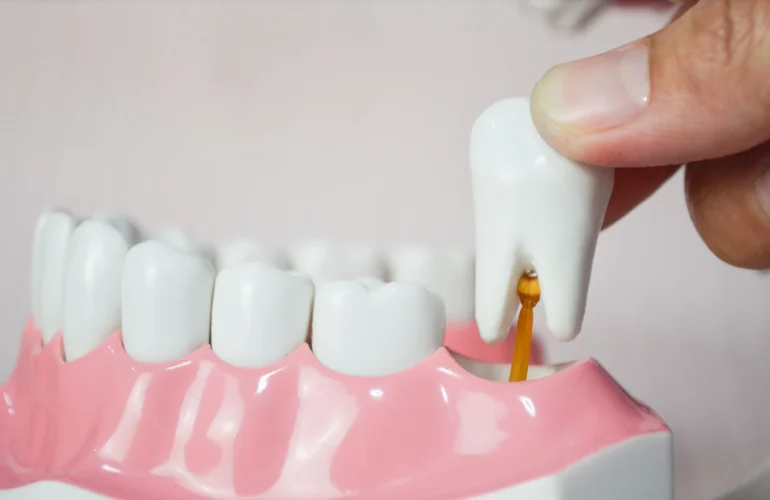
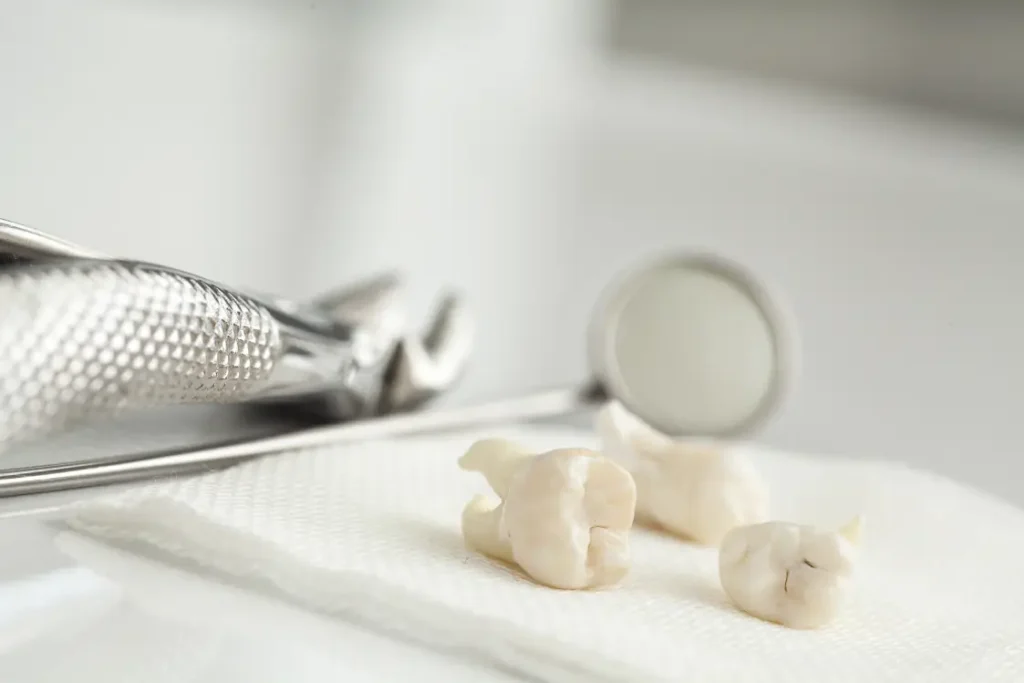 Wisdom tooth removal refers to the extraction of the third molars—the last set of adult teeth to emerge. Because these teeth erupt after most of the jaw has finished developing, there may be limited space for them to come in properly.
When a wisdom tooth cannot fully erupt through the gums, it is known as an impacted wisdom tooth. Impacted teeth can develop at different angles. In some cases, they may press against neighbouring teeth and cause discomfort. In others, a partially erupted tooth can trap food and bacteria under the gum, making the area harder to clean and increasing the risk of inflammation or infection.
Wisdom teeth can be removed via:
- Simple extraction, usually for fully erupted teeth, or
- Surgical extraction, which may be needed for impacted or partially erupted teeth.
This guide focuses primarily on surgical wisdom tooth removal, as it typically involves more steps and requires more detailed aftercare.
Signs You Should Get Your Wisdom Tooth Removed
Some symptoms may suggest your wisdom tooth is erupting (coming through the gums) or becoming impacted. However, symptoms alone do not confirm that removal is required—an examination and, in many cases, an X-ray are needed to determine the cause and the best treatment.
1) Discomfort at the back of the jaw
A dull ache or pressure at the back of the jaw can occur when a wisdom tooth is erupting, particularly if there is limited space. In some cases, the tooth may press against nearby teeth or irritate the surrounding gum tissue.
If the discomfort persists for more than a few days, recurs, or is accompanied by gum swelling or food trapping, it is worth scheduling a dental assessment. Early evaluation can help prevent complications such as inflammation or infection.
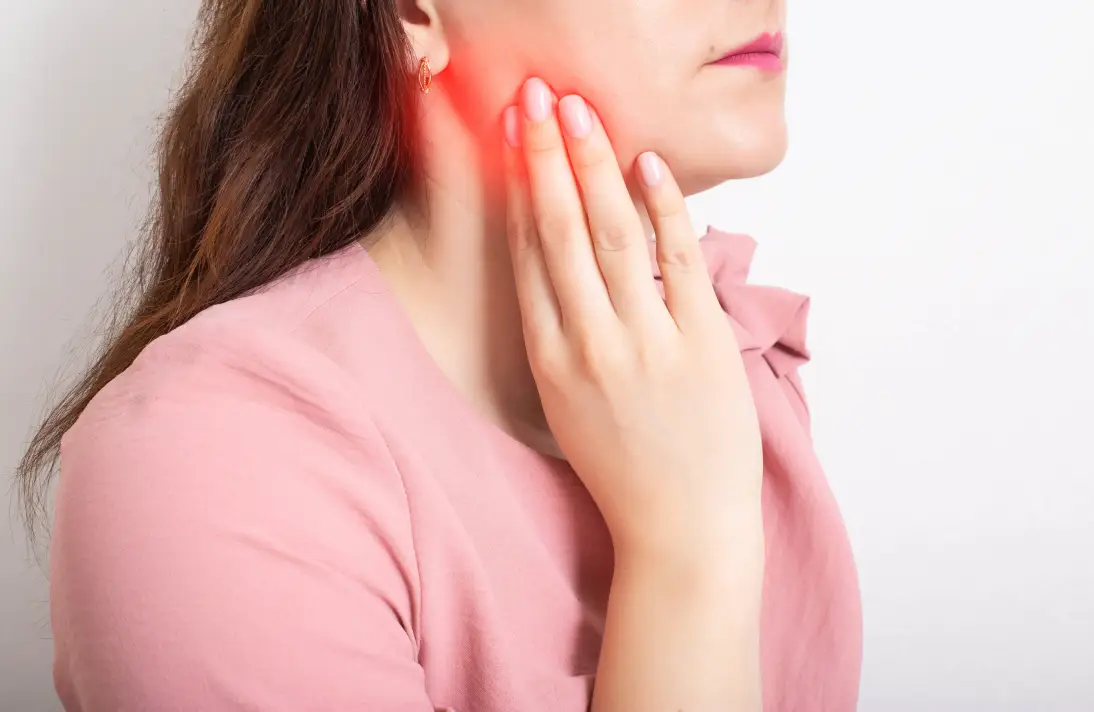
2) Persistent jaw pain or swelling
Persistent pain that affects eating, sleep, or concentration warrants prompt attention. Wisdom tooth–related pain may be accompanied by:
- swollen or tender gums at the back of the mouth
- difficulty opening the mouth fully
- pain that radiates toward the ear or temple
- an unpleasant taste or bad breath (which may indicate food trapping or infection)
Depending on the clinical findings, your dentist may recommend monitoring, medication, cleaning around the area, or extraction.
3) X-ray findings suggestive of impaction
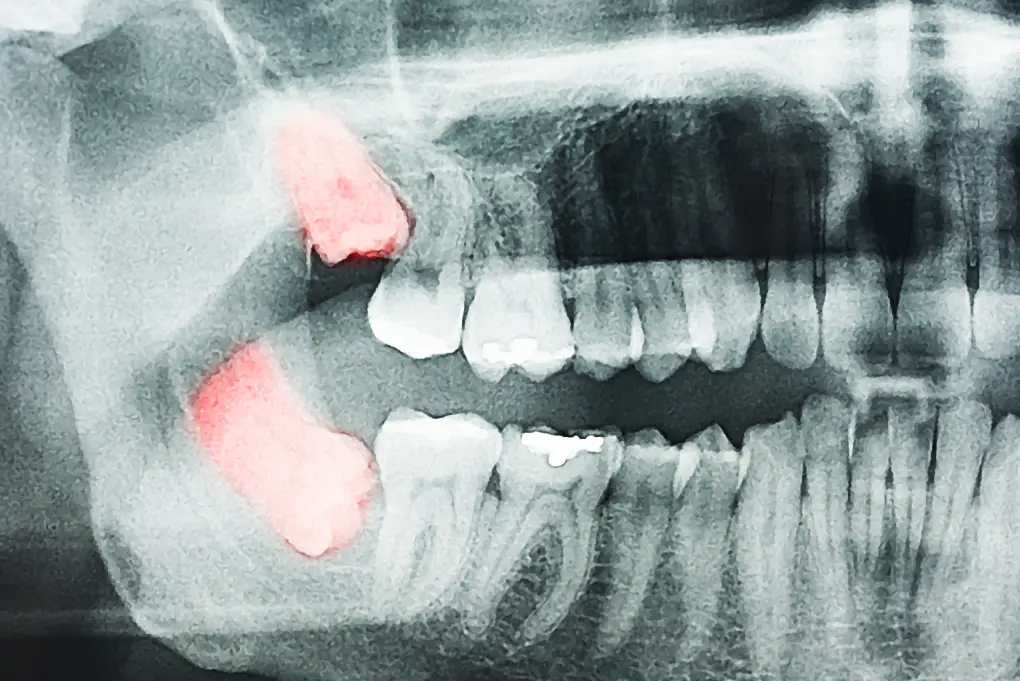 During a consultation, your dentist may recommend an X-ray to assess the position of the wisdom tooth, its relationship to adjacent teeth, and proximity to nearby nerves or sinuses.
An X-ray may show that a wisdom tooth is impacted or partially erupted. This does not automatically mean extraction is required, but removal is commonly recommended when the tooth is causing pain, recurrent inflammation/infection, decay, gum disease, or damage to neighbouring teeth.
Always discuss the findings and options with your dentist, who can explain whether monitoring or removal is the most appropriate approach for your situation.
Cost of Wisdom Tooth Removal in Singapore
Cost is a major consideration for many patients seeking wisdom tooth removal in Singapore. Fees can differ between private dental clinics and public institutions (where subsidies may apply). In general, a simple extraction is usually more affordable than surgical removal for an impacted wisdom tooth.
Factors Affecting Wisdom Tooth Removal Cost
There is no single fixed price because the final fee depends on how the wisdom tooth is positioned and how complex the removal is. As a general guide, costs are often discussed in two broad categories: simple vs surgical.
1) Complexity of the Procedure
Complexity is one of the biggest drivers of cost.
- Simple extraction is typically suitable when the tooth has fully erupted and can be removed without incisions.
- Surgical removal may be required for impacted or partially erupted wisdom teeth. This can involve a gum incision and, in some cases, tooth sectioning or minor bone removal.
Common impaction patterns include:
- Vertical impaction: tooth is upright (often less complex)
- Mesioangular impaction: tooth tilts forward
- Distoangular impaction: tooth tilts backward
- Horizontal impaction: tooth lies sideways against the adjacent tooth (often more complex)
More complex cases usually require more time and surgical steps, which can increase professional and facility fees. Your dentist can provide a clearer estimate after reviewing your X-ray.
2) Number of teeth Removed
Removing more than one wisdom tooth in a single session may affect the total cost. Some clinics offer package pricing or adjustments when multiple teeth are removed at once, but this varies by provider.
3) Dentist or specialist involvement
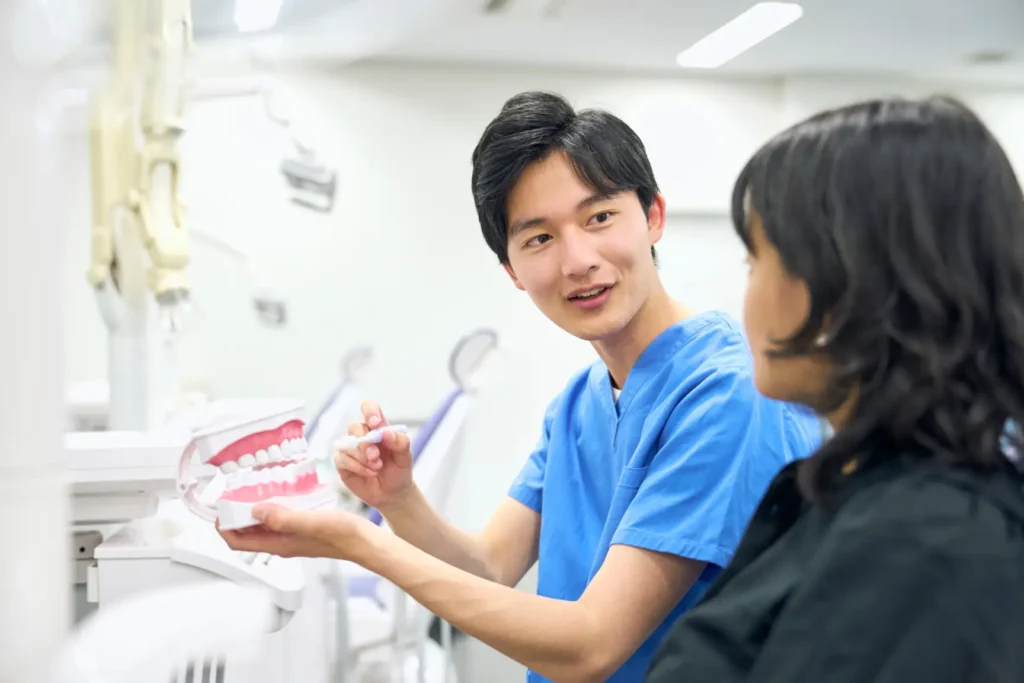 Many cases can be managed by a general dentist. However, more complex impactions may be handled by an oral surgeon or a dentist with advanced surgical experience, which may influence professional fees.
4) Clinic setting and fee structure
Fees can also vary based on whether you are treated in a private clinic or a public institution such as National Dental Centre Singapore, where subsidies and benchmarked fee ranges may apply.
Rather than choosing a clinic only when pain escalates, it is usually better to book an early assessment—this gives you time to compare options and understand your treatment plan.
MediSave and Subsidies
Many patients use MediSave to offset the cost when the wisdom tooth removal is surgical. MediSave usage is subject to CPF rules and withdrawal limits, which vary based on the procedure’s complexity classification. Your clinic can advise you on which portion is claimable and guide you through the claim process.
The Community Health Assist Scheme (CHAS) provides dental subsidies for selected dental services at participating clinics, with claim limits and subsidy amounts depending on your CHAS tier (e.g., CHAS Blue, Merdeka Generation, Pioneer Generation).
If cost is a key concern, it helps to ask the clinic upfront:
- whether they are a CHAS dental clinic, and
- which parts of the visit (consultation, X-ray, extraction type) are subsidised under your tier.
Preparing for Wisdom Tooth Removal
Good preparation can make your wisdom tooth removal experience more comfortable and support a smoother recovery. Planning ahead also helps you manage practical details such as time off work, meals, and transport—especially if you are undergoing a surgical extraction.
Schedule Time Off (If Needed)
Many patients feel better with a few days of rest after surgical wisdom tooth removal, particularly if swelling or discomfort is expected. If your role involves physical labour or prolonged speaking, you may need a longer recovery period.
Where possible, plan for:
- Your consultation (and imaging, if required)
- Your procedure date (if booked separately)
- A short recovery window afterwards
- Removal of stitches (2 weeks after the surgical procedure)
Your dentist can usually advise a more realistic recovery timeline based on the complexity of the extraction and whether sedation is involved.
Stock Up on Soft Foods
 After wisdom tooth removal, most patients are advised to stick to a soft diet for the first few days. This helps minimise discomfort and reduces the likelihood of disturbing the healing area.
Easy options include:
- yoghurt
- congee/porridge
- soft noodles
- soups
- tofu
- mashed potatoes or scrambled eggs
Cold foods (such as chilled yoghurt or ice cream) can feel soothing in the first 24 hours, but choose options you can tolerate comfortably and avoid very hot foods and vigorous chewing.
Having soft foods ready at home also reduces the need to run errands while you are recovering.
Prioritise Rest the Night Before
Try to get a good night’s sleep before your appointment. Being well-rested can help you feel calmer and better able to cope with the procedure and aftercare instructions. If you feel anxious, consider preparing questions in advance so you know what to expect on the day.
Follow Your Clinic’s Fasting Instructions (If You Are Having Sedation)
If your procedure involves sedation or general anaesthesia, your clinic will provide fasting instructions. Fasting is a standard safety requirement to reduce the risk of nausea or aspiration during sedation/anaesthesia.
Importantly, fasting requirements vary depending on the type of sedation and the facility’s protocol. Do not rely on a fixed “12-hour rule” unless your dentist has specifically instructed it—follow the pre-operative instructions provided by the clinic.
What Happens During Wisdom Tooth Removal
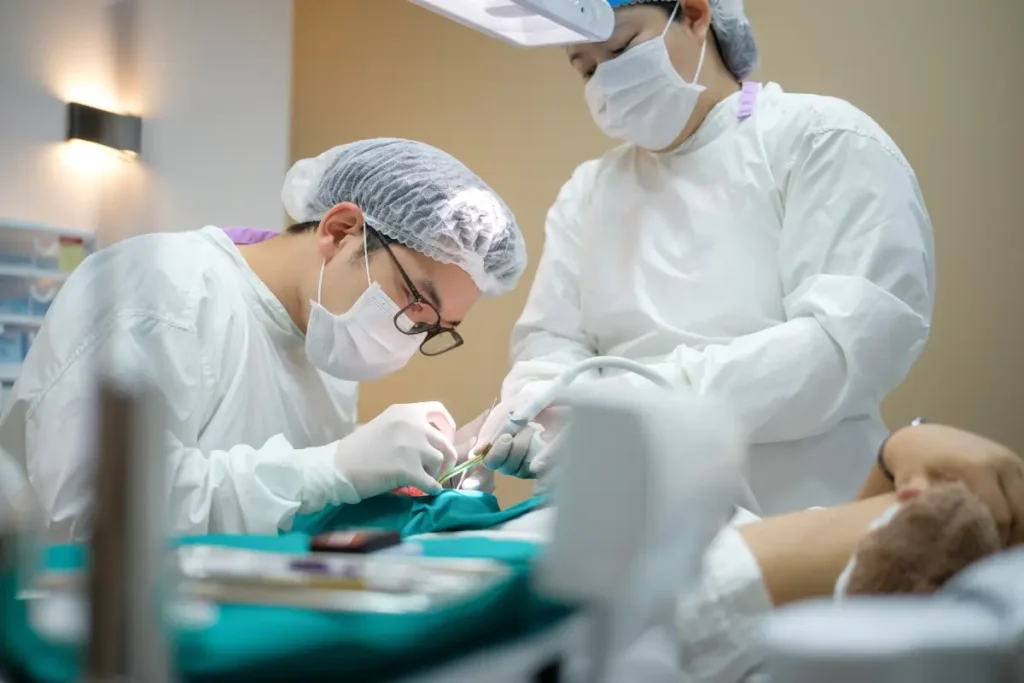 If you are considering wisdom tooth removal in Singapore, the process typically begins with an assessment to determine whether a simple extraction is sufficient or surgical removal is required.
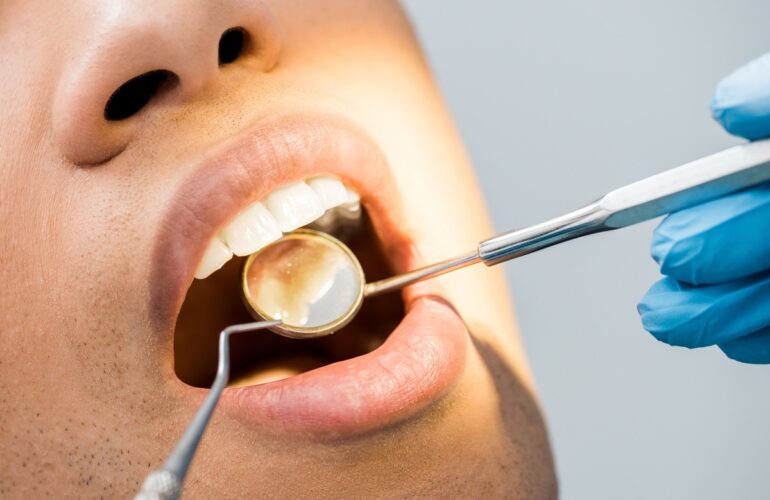
1) Consultation and assessment
During the consultation, your dentist typically:
- reviews your symptoms and examines the back of the mouth
- checks your medical history (including medications and allergies)
- recommends an X-ray to assess the position of the wisdom tooth, nearby teeth, and surrounding structures
Based on these findings, the dentist will explain:
- whether removal is recommended and why
- whether the procedure is likely to be simple or surgical
- anaesthesia options (local anaesthesia is common; sedation may be considered for selected cases)
- estimated costs and expected recovery
In some straightforward cases, removal may be done on the same day if clinic time allows. For many patients—especially when surgery or sedation is planned—the procedure is scheduled on a separate day.
2) What happens on the day of removal
Most wisdom tooth removals are done under local anaesthesia, which numbs the area so you remain awake but should not feel sharp pain. For more complex cases, or for patients with significant anxiety, sedation may be discussed during consultation and arranged in advance.
For a surgical extraction, the dentist may:
- numb the area thoroughly
- make a small incision in the gum
- remove a small amount of bone if needed to access the tooth
- section the tooth into smaller pieces in some cases to remove it more safely
- clean the socket
- place stitches if required
- place gauze over the site and ask you to bite down to support clot formation
After the procedure, you will receive aftercare instructions, and your dentist may prescribe pain relief (and, when clinically necessary, other medications such as antibiotics).
Pain Management Tips for Wisdom Tooth Removal in Singapore
Some swelling and soreness are expected after surgical removal. The goal is to keep discomfort controlled while protecting the healing blood clot.
1) Take pain relief as directed
Your dentist will advise an appropriate pain relief plan. Evidence-based guidance commonly supports non-opioid options such as anti-inflammatory medication (when suitable) and/or paracetamol/acetaminophen for dental extraction pain.
Many clinics also advise taking pain relief before the numbness fully wears off, as directed, to stay ahead of discomfort.
2) Use cold compresses early
Apply a cold compress to the outside of the cheek during the first day to help manage swelling and discomfort. Several local patient guides caution against using warm compresses too early because this may worsen swelling.
3) Switch to warm compresses later (if advised)
 Once swelling begins to settle, warm compresses may help with jaw stiffness and soreness. The timing varies by patient, so follow your dentist’s instructions.
4) Choose soft, smooth foods
Soft foods are generally more comfortable in the first few days. If you take cold foods (including ice cream), choose smooth textures and avoid hard mix-ins that could irritate the area. Limit sugary foods to maintain oral hygiene during recovery.
5) Avoid Drinking Through Straws
Using a straw creates suction that may disturb the clot, especially in the early healing period. For the first few days, drink directly from a cup or bottle as advised by your dentist. If your clinic provides a specific timeline, follow that guidance.
6) Avoid smoking (and vaping)
Smoking is a well-established risk factor for dry socket. The suction from inhaling, as well as exposure to tobacco-related chemicals, can interfere with clot stability and slow healing. Ideally, avoid smoking throughout the initial healing period, and follow your dentist’s instructions on when it is safe to resume.
7) Be gentle with rinsing and spitting
For the first 24 hours, most dentists advise avoiding vigorous rinsing, forceful spitting, or aggressive gargling, as these actions can disrupt the clot. If you are instructed to rinse (for example, with salt water), do so gently and allow the liquid to fall out of your mouth rather than spitting forcefully.
When is Wisdom Tooth Removal Necessary
Wisdom tooth removal is commonly recommended when a third molar is causing problems now—or is very likely to cause problems because it cannot erupt or be kept clean effectively. Your dentist will base the decision on your symptoms, clinical findings, and X-ray results.
Removal may be recommended if:
- Impaction is causing symptoms such as recurring pain, swelling, or infection (including repeated gum inflammation around a partially erupted tooth).
- A partially erupted wisdom tooth traps food and bacteria, making the area difficult to clean and increasing the risk of decay or gum disease.
- There is damage or risk to adjacent teeth, such as decay on the neighbouring molar, gum problems, or pressure-related issues.
- There are complications seen on X-ray, such as cystic changes or other pathology that warrants removal.
In short, the goal is to prevent ongoing infection, protect nearby teeth, and reduce the chance of more complex problems later. Your dentist should explain the reasoning clearly and discuss options so you can make an informed decision together.
When is Wisdom Tooth Removal Not Necessary
Not every toothache means you need wisdom tooth surgery. In many cases, a dentist can identify other causes and treat them without removing the wisdom tooth.
Wisdom tooth removal may not be necessary if:
- Your wisdom teeth are fully erupted, healthy, and easy to clean, with no signs of disease.
- An X-ray shows no problematic impaction or related complications, and your symptoms are due to another issue.
- The pain is caused by other common conditions, such as:
- Tooth decay (often managed with fillings or other restorative treatment)
- Gum inflammation from plaque build-up
- Teeth grinding (bruxism), which can cause jaw soreness and tooth sensitivity
- Bite or jaw joint issues, which can mimic molar pain
Even if an X-ray shows an impacted wisdom tooth, removal isn’t always automatic—some impacted teeth can be monitored if they are symptom-free and show no disease. Your dentist can advise what is safest based on your specific case.
If you experience worsening swelling, fever, severe pain, or difficulty opening your mouth, seek dental care promptly.
Consult with Elements Dental Today
When it comes to wisdom teeth, timely assessment can prevent complications and make treatment more straightforward. At Elements Dental, we provide comprehensive dental services—including wisdom tooth removal—with a patient-first approach focused on comfort, precision, and transparency.
If you’re exploring wisdom tooth removal in Singapore or need clarity on your symptoms, get in touch with our team for an evaluation and a tailored treatment plan.
Frequently Asked Questions
How long does the wisdom tooth removal procedure take?
Timing varies depending on whether the tooth is fully erupted or impacted. Simple extraction typically takes 20-30 minutes per tooth, while surgical removal can take 30–60 minutes or longer for more complex impactions. Your dentist can give a more reliable estimate after reviewing your X-ray.
Will I be able to talk normally after the surgery?
You may be able to speak, but it can feel awkward for a few hours because of numbness and the gauze pack. Most people can still communicate clearly, and speech usually improves as the anaesthesia wears off.
Can I brush my teeth after the extraction?
Yes—but be gentle. Many dentists advise brushing as usual while avoiding the extraction site for the first 24 hours, then cleaning around the area carefully as instructed. If your dentist recommends rinsing (for example, with salt water or a prescribed mouthwash), use only what they advise and avoid vigorous swishing or forceful spitting during the early healing period.
What happens if I do not get my impacted wisdom tooth removed?
Not all impacted wisdom teeth require removal, especially if they are symptom-free and show no signs of disease. However, leaving an impacted tooth untreated can increase the risk of complications, including recurrent gum inflammation or infection, decay in hard-to-clean areas, and damage to the adjacent molar. Your dentist can advise whether monitoring or removal is the safer option based on your symptoms and X-ray findings.
When can I return to exercise or the gym?
It depends on the complexity of the extraction and how you are healing. Many patients can resume light activity after a few days, but dentists often recommend avoiding strenuous exercise for several days to about a week, particularly after surgical removal, to reduce bleeding and swelling. Follow your dentist’s advice and return gradually.
Do I need to have someone accompany me to the appointment?
If your procedure is done under local anaesthesia only, many patients are able to travel home on their own. If you are having sedation or general anaesthesia, you should arrange for someone to accompany you and help you get home safely.