
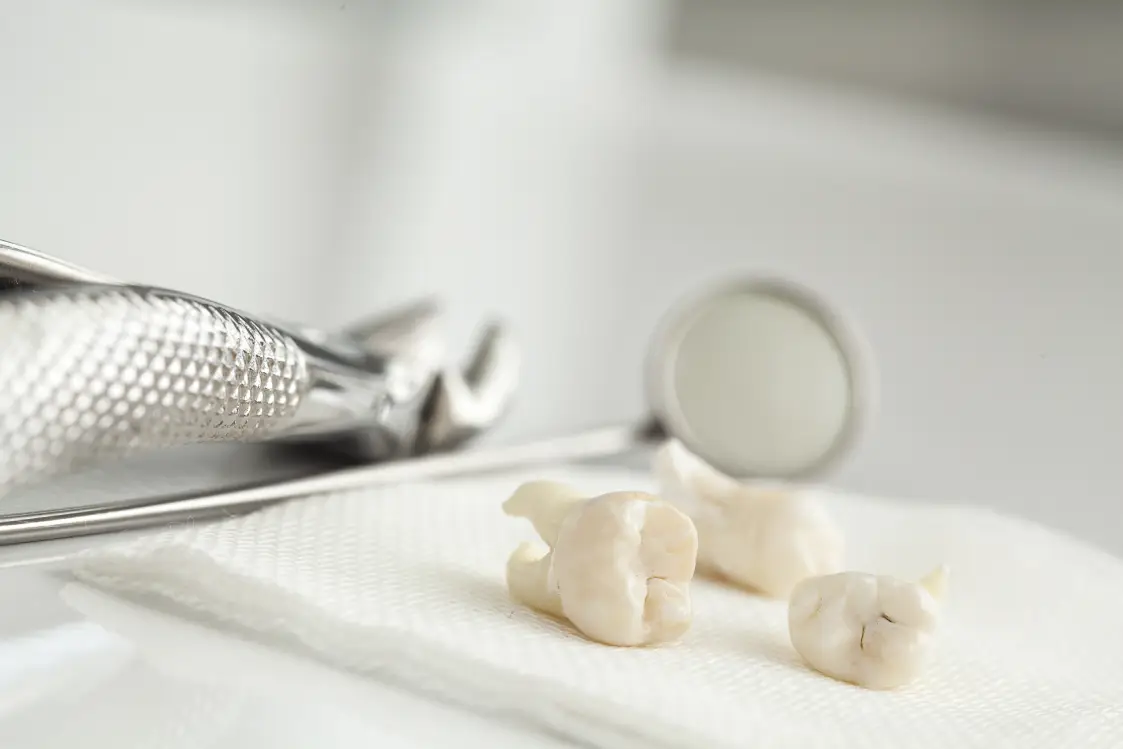
Dental extraction is a common dental procedure that may be recommended to protect the health of your surrounding teeth and gums. Even so, it’s normal to feel nervous if you’ve never had a tooth removed before.
For children, extractions can feel especially intimidating because they may encounter them during different stages of dental development. Knowing what to expect—during the procedure and throughout recovery—can help reduce anxiety and make it easier to prepare.
In this guide, we’ll explain what typically happens before, during, and after a tooth extraction in Singapore.
Key Takeaways
- Dental extractions are generally categorised as simple or surgical, depending on the tooth’s visibility, position, and complexity.
- Planning ahead for recovery may include taking time off work or school and preparing soft, easy-to-eat foods.
- Local anaesthesia is commonly used to keep the procedure comfortable; most patients feel pressure rather than sharp pain.
- Protecting the blood clot that forms in the socket is important for healing and helps reduce the risk of dry socket.
- While preserving natural teeth is the priority, extraction may be recommended for severe decay, infection, trauma, or crowding.
What is a Dental Extraction?
A dental extraction is the complete removal of a tooth from its socket in the jawbone.
Modern dentistry aims to preserve natural teeth whenever possible. However, extraction may be the best option when a tooth is too damaged to restore (for example, severe decay or a fracture), or when it causes complications, such as an impacted wisdom tooth pressing against neighbouring teeth.
During an extraction, the dentist loosens the tooth and removes it from the socket. After the tooth is removed, a blood clot forms in the socket to protect the area and support healing. Gum healing can begin within the first few days, but the socket continues to heal over the following weeks.
A successful extraction can help prevent infection from affecting nearby teeth and gums, and it may relieve pain or recurring inflammation caused by the problem tooth.
Difference Between Simple and Surgical Extractions
Not all extractions are the same. Dentists generally classify dental extractions into two main types.
Simple Dental Extraction
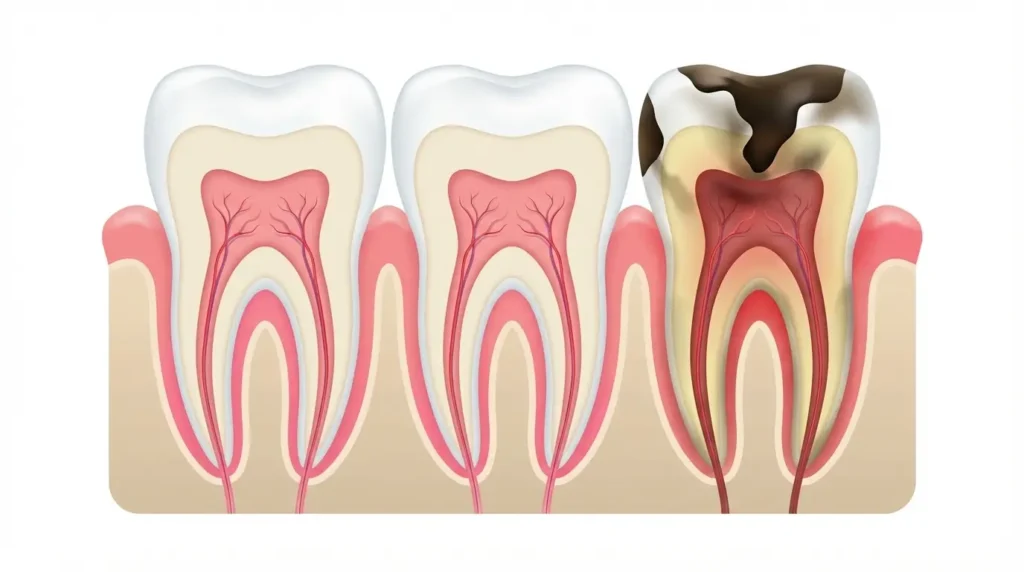 A simple tooth extraction involves removing a tooth that is fully visible in the mouth (meaning it has erupted above the gum line).
Because the tooth is accessible, the dentist can usually loosen it using an elevator and then remove it with forceps.
This type of extraction is commonly done when a tooth is severely decayed, damaged, or too compromised to be restored with a filling, crown, or root canal treatment.
Surgical Dental Extraction
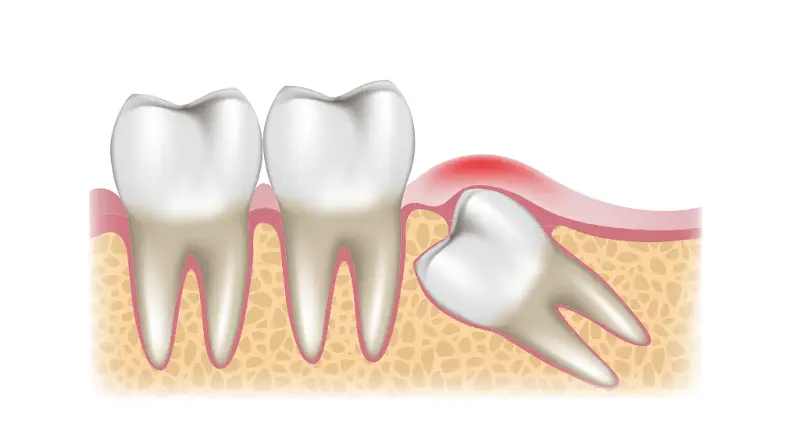
A surgical extraction is a more complex procedure and is typically required when a tooth is not easily accessible. This can happen when a tooth is impacted (trapped beneath the gum line) or broken at the gum line.
If the tooth is covered by gum tissue—or partially covered—the dentist (or oral surgeon) may need to make a small incision. In some cases, a small amount of bone may also be removed to reach the tooth. The tooth may be sectioned into smaller pieces to allow safer removal with less pressure on surrounding structures.
Because surgical extractions involve more tissue manipulation, swelling and recovery time are often longer than with a simple extraction.
Wisdom teeth are commonly removed using a surgical approach, especially when they are impacted.
Why Are Dental Extractions Necessary?
There are several reasons why a tooth extraction may be recommended. In most cases, your dentist will first assess whether the natural tooth can be saved with treatments such as a filling, crown, or root canal therapy. If the tooth cannot be restored predictably—or if keeping it poses a risk to surrounding teeth and gums—extraction may be the most appropriate next step.
Infection or Decay
Severe tooth decay can reach the centre of the tooth (the pulp), which contains nerves and blood vessels. When bacteria enter this area, it can lead to significant pain and infection.
If the infection cannot be adequately treated—for example, when root canal treatment is not suitable or is unlikely to succeed—extraction may be recommended. Removing the tooth helps control the infection and reduces the risk of it spreading to surrounding tissues, such as the jawbone. In rare cases, untreated dental infections can spread beyond the mouth and become a more serious health issue.
Impacted Teeth
Impacted wisdom teeth are a common reason for surgical extraction. These teeth may not have enough room to emerge properly and can remain trapped under the gums or grow at an angle.
Impacted wisdom teeth may cause pain, swelling, gum infection, and damage to neighbouring teeth. Depending on symptoms, position, and risk of future problems, wisdom tooth removal may be recommended—sometimes as a preventive measure—to reduce the likelihood of recurrent infection or persistent discomfort.
Overcrowding
Sometimes, the jaw does not have enough space to accommodate all the teeth comfortably. This can contribute to crowding, crooked teeth, or shifting.
In selected cases, removing one or more teeth can create the space needed for orthodontic alignment. This supports a more balanced bite (occlusion), where the upper and lower teeth meet properly, which can improve chewing efficiency and overall oral function.
Preparing for a Simple Dental Extraction
Preparation for a tooth extraction in Singapore typically begins with a consultation. During this visit, the dentist will assess the tooth and surrounding tissues and discuss whether extraction is the most appropriate option.
Even when the problem tooth is clearly visible—such as a badly decayed tooth or one that is contributing to crowding—your dentist may still recommend an X-ray to evaluate factors that are not visible to the eye, including the shape of the roots and the health of the surrounding bone.
For many patients, a simple dental extraction requires only minimal preparation. Here are practical steps to take:
Schedule a day off from work (if needed)
 If possible, avoid scheduling the procedure right before an important workday. Many people can return to normal activities the next day after a simple extraction, but this depends on factors such as discomfort, swelling, and the type of work you do.
Stock up on soft foods
Prepare soft, easy-to-chew foods for the first 24–48 hours (for example, porridge or congee, yoghurt, soup, and scrambled eggs). This helps minimise chewing pressure and makes eating more comfortable while the area is tender.
Many patients can gradually return to more solid foods within a day or two, but it’s best to follow your dentist’s advice and increase chewing as comfort allows.
Preparing for a Surgical Dental Extraction
A surgical extraction usually requires more preparation than a simple extraction. Unlike a straightforward removal of a fully erupted tooth, a surgical procedure may involve lifting the gum tissue to access the tooth. In some cases, a small amount of bone may be removed, or the tooth may be sectioned to allow safe removal. Because more tissue is involved, swelling and recovery time are often longer.
Here are practical ways to prepare:
Get Adequate Sleep
Aim for a good night’s rest before the procedure. Being well-rested can help you feel calmer and better able to cope with post-procedure discomfort. It also supports your body’s recovery.
Follow Fasting Instructions (Only if Sedation Is Planned)
For most surgical extractions performed under local anaesthesia alone, fasting is not always required. However, if your dentist/oral surgeon plans to use sedation or general anaesthesia, you will be given specific fasting instructions to reduce the risk of nausea and other complications.
Follow your clinic’s advice closely, as fasting requirements depend on the type of anaesthesia used and your individual medical history.
Schedule Time Off Work
Plan time to rest on the day of the procedure and the following few days, especially if the extraction is complex (for example, impacted wisdom teeth) or if your job is physically demanding.
Many patients find that 1–3 days of lighter activity is helpful, but recovery time varies. Your dentist can provide a more specific estimate based on the complexity of the extraction.
Prepare Soft Foods and Cold Compress Options
Stock up on soft, easy-to-eat foods for the first few days (for example, porridge/congee, yoghurt, soup, mashed potatoes, and scrambled eggs). Soft foods reduce chewing pressure and can make eating more comfortable while the area is sore.
To help with swelling in the first 24 hours, prepare a cold compress/ice pack and use it on the outside of the face as directed by your dentist. Cold, soft foods (such as ice cream) can feel soothing, but they should be treated as optional comfort food—not the primary strategy for managing swelling.
The Dental Extraction Procedure
 The tooth extraction process varies depending on whether the extraction is simple or surgical, and on factors such as the tooth’s position, root shape, and surrounding bone.
Step-by-Step Breakdown: Simple Dental Extraction
A simple dental extraction typically follows a straightforward process:
- Local anaesthesia is administered: The dentist numbs the area to keep you comfortable. You may feel pressure and movement during the procedure, but you should not feel sharp pain.
- The tooth is gently loosened: Once the area is numb, the dentist uses an elevator to carefully loosen the tooth. This helps separate it from the periodontal ligament and allows the tooth to move more freely in the socket.
- The tooth is removed with forceps: The dentist then uses forceps to grasp and remove the tooth.
- Gauze is placed to control bleeding: A gauze pad is placed over the extraction site, and you will be asked to bite down to help control bleeding and support blood clot formation.
Step-by-Step Breakdown: Surgical Dental Extraction
A surgical extraction is usually recommended when the tooth is not easily accessible, such as when it is impacted under the gum line or broken below the gum.
In many cases, your dentist will use an X-ray to assess the tooth’s position and decide whether a surgical approach is needed. The procedure may be scheduled on the same day or at a separate appointment, depending on the clinic’s assessment and complexity of the case.
On the day of the surgical extraction, the procedure typically involves:
- Anaesthesia (and sometimes sedation)
The dentist or oral surgeon administers local anaesthesia. In selected cases, sedation may also be offered, depending on complexity and patient preference. - Accessing the tooth: A small incision may be made in the gum tissue to reach the tooth. If necessary, a small amount of bone may be removed to expose it.
- Sectioning the tooth (if needed): The tooth may be divided into smaller sections to allow safer removal with less force.
- Cleaning the area and closing the site: After removal, the socket is cleaned to remove debris. The gum is then closed with stitches, which are often dissolvable.
- Gauze is placed to control bleeding: As with a simple extraction, you will bite on gauze to help control bleeding and support clot formation, which is important for healing and helps reduce the risk of dry socket.
Post-Extraction Care for Simple Dental Extractions
Proper care after a dental extraction supports healing and reduces the risk of complications. The first 24 hours are especially important. During this period, your main goal is to protect the blood clot that forms in the socket. If the clot is dislodged, you may develop dry socket, which can be painful and may delay healing.
To reduce the risk of dry socket, infection, and other complications, follow these tips.
What to Avoid After a Dental Extraction
 There are a few key precautions to keep in mind after a tooth extraction (your dentist will usually go through these with you):
- Avoid smoking and vaping, especially in the first 24–72 hours. These can interfere with clot formation and healing.
- Avoid using a straw. The suction can dislodge the blood clot.
- Avoid vigorous rinsing, spitting, or forceful gargling in the first 24 hours, as this can disturb the clot.
- Avoid touching the extraction site with your fingers or tongue. It’s normal to be curious, but poking the area can irritate the wound and disrupt healing.
Your dentist may also provide specific dietary instructions based on your case.
Post-Extraction Diet
For the first day, choose soft, cool or lukewarm foods that require minimal chewing. Suitable options include:
- Soup (lukewarm)
- Yoghurt
- Mashed potatoes
- Scrambled eggs
- Congee/porridge
Avoid crunchy, spicy, acidic, or very hot foods, as these can irritate the area or increase bleeding.
Also avoid foods that leave small fragments behind (for example, nuts, popcorn, or crumbly snacks), as particles can lodge in the socket and cause irritation. Chew on the opposite side of your mouth while the area is tender, and gradually reintroduce firmer foods as comfort allows.
Post-Extraction Hygiene
Maintaining oral hygiene is important, but you’ll need to be gentle around the extraction site.
- Brush your other teeth as usual, but avoid brushing directly over the extraction site on the first day.
- Do not rinse vigorously in the first 24 hours.
- After the first 24 hours, you may rinse gently with warm salt water to keep the area clean (your dentist can advise how often).
- Avoid alcohol-based mouthwashes early on, as they may irritate healing tissues.
Post-Extraction Care for Surgical Extraction Procedures
Surgical extractions typically involve more tissue manipulation, so swelling and bruising can be more noticeable than with a simple extraction. Your dentist may also place stitches.
The general care principles are similar, with a few additional considerations.
What to Avoid After a Surgical Extraction
 In addition to the standard precautions:
- Avoid strenuous exercise for 24–48 hours, as it can increase bleeding and swelling.
- Plan for rest. Many patients feel comfortable returning to desk work the next day, but others may need additional time—especially after an impacted wisdom tooth removal or if swelling is significant. Follow your dentist’s recommendation based on your specific case.
Post-Surgery Diet
Stick to soft foods for the first 2–3 days (or longer if advised), and choose foods that are easy to chew and swallow. Cold foods can feel soothing in the first day, but focus on balanced nutrition to support healing.
Helpful nutrition choices include:
- Protein: eggs, tofu, fish, dairy (including Greek yoghurt)
- Iron: leafy greens, legumes, and (if comfortable) tender meats or soft-cooked options
- Hydration: drink plenty of water
Avoid foods with small seeds or particles (e.g., strawberries, kiwi, sesame, popcorn) and anything hard or crunchy, as these can irritate the surgical site or lodge near it.
Post-Surgery Hygiene
The surgical site may be sensitive, so avoid disturbing the stitches.
- Continue normal brushing away from the site and be gentle near the extraction area.
- If your dentist prescribed an antibacterial rinse, use it exactly as directed.
- Follow-up instructions vary depending on stitches and complexity, so defer to your clinic’s guidance for timing and technique
Is tooth extraction painful?
A tooth extraction is usually not painful during the procedure because local anaesthesia is used to numb the area. Most patients feel pressure and movement, but not sharp pain.
Pain During the Surgical Procedure
During the extraction, your dentist will administer local anaesthesia to keep you comfortable. You should not feel sharp pain, though it’s normal to feel pressure as the tooth is loosened and removed.
In some cases—such as complex surgical extractions or for patients with significant dental anxiety—sedation may be offered. With sedation, you may feel drowsy, relaxed, or have little memory of the procedure. Your dentist will advise whether this is suitable for you.
Pain After the Surgical Procedure
Once the anaesthesia wears off, it’s common to experience soreness or mild to moderate discomfort for a few days, especially after a surgical extraction.
To manage discomfort, your dentist may recommend:
- taking prescribed or over-the-counter pain relief (as advised),
- using a cold compress on the outside of the face during the first 24 hours, and
- eating soft, cool or lukewarm foods while the area is tender.
One of the more painful complications is dry socket, which can happen when the blood clot in the socket is dislodged too early, exposing the underlying bone and nerves. To reduce the risk, avoid smoking/vaping, using a straw, or vigorous rinsing/spitting in the first few days, and follow your dentist’s post-care instructions closely.
If you experience severe pain that does not improve, persistent bleeding, worsening swelling, fever, or a foul taste/odour from the extraction site, contact your dental clinic promptly.
Alternatives to Dental Extractions
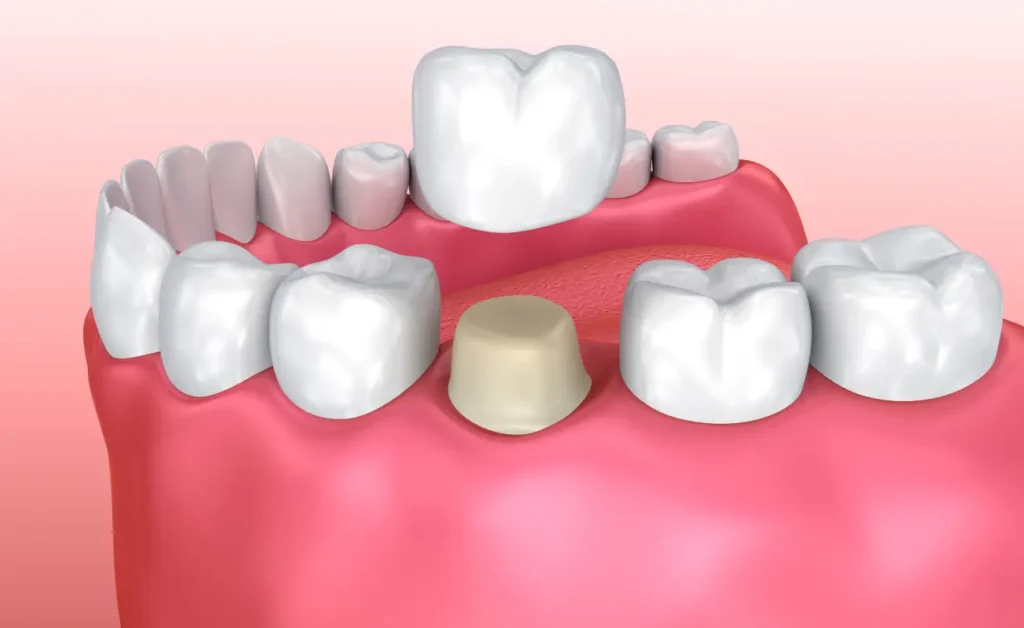 Whether a tooth can be saved depends on the extent of damage and the health of the surrounding structures. In many cases, there are alternatives to tooth removal, such as:
- Fillings: If decay is caught early, a filling can restore the tooth.
- Crowns: A crown may protect a weakened tooth if there is enough healthy tooth structure and the roots are stable.
- Root canal treatment: This can save an infected tooth by removing infected pulp tissue and sealing the canals.
- Gum treatment: If gum disease is the main issue, deep cleaning and periodontal care may help stabilise the tooth.
Where possible, keeping a natural tooth is usually preferable for chewing function and long-term jawbone support. However, if a tooth cannot be restored reliably—or if it poses a risk to nearby teeth and gums—extraction may be the safer option.
Because every case is different, the best next step is an assessment with your dentist, who can explain the options and what they recommend for your situation.
Book a Consultation with Elements Dental Today!
If you are experiencing tooth pain or suspect you may need a dental extraction, arrange an early consultation. Prompt assessment can help prevent discomfort from worsening and reduce the risk of infection-related complications.
Our team at Elements Dental will evaluate the cause of your symptoms, explain your treatment options, and recommend an approach that prioritises your comfort and long-term oral health. Consult with us today!
Frequently Asked Questions
What is the average tooth extraction cost in Singapore?
The cost of a tooth extraction depends on the complexity of the procedure. A simple extraction is usually less expensive than a surgical extraction (for example, impacted wisdom teeth or teeth that are difficult to access).
If you are eligible, you can also ask whether the clinic participates in subsidy schemes such as CHAS, which may help reduce out-of-pocket costs for certain dental procedures.
Can I use Medisave for my tooth removal?
MediSave is generally claimable for surgical procedures that meet the relevant criteria (for example, surgical wisdom tooth removal), subject to limits and the clinic’s billing arrangements. Simple extractions are typically not MediSave-claimable.
Because eligibility depends on the specific procedure and setting, it’s best to check with your clinic in advance so they can advise what is claimable in your case.
What are the long-term effects of leaving a missing tooth unreplaced?
Leaving a missing tooth unreplaced can cause nearby teeth to drift or tilt into the space over time. This may contribute to bite changes (malocclusion), food trapping, and increased difficulty cleaning the area. Depending on the location of the missing tooth, it may also affect chewing efficiency and smile aesthetics.
When can I resume drinking hot coffee or tea?
It’s generally best to avoid very hot drinks for the first 24 hours, especially while bleeding risk is highest. Heat can increase blood flow and may trigger or prolong bleeding.
After the first day, many patients can resume warm drinks if they are comfortable, but avoid sipping anything hot enough to irritate the extraction site. When in doubt, follow your dentist’s specific advice.
Is it safe to fly after a tooth extraction in Singapore?
In most cases, flying is safe after a tooth extraction, but timing depends on the complexity of the extraction and your recovery. Some dentists recommend waiting 48 hours, particularly after a surgical extraction, to reduce the chance of discomfort, swelling, or bleeding while travelling.
Can I drive myself home after the tooth extraction process?
You can usually drive yourself home if you have had local anaesthesia only, provided you feel well and are not taking medication that affects alertness.
However, if you received sedation, you should not drive. Sedation can impair coordination and judgement for several hours, so arrange for someone to accompany you home.