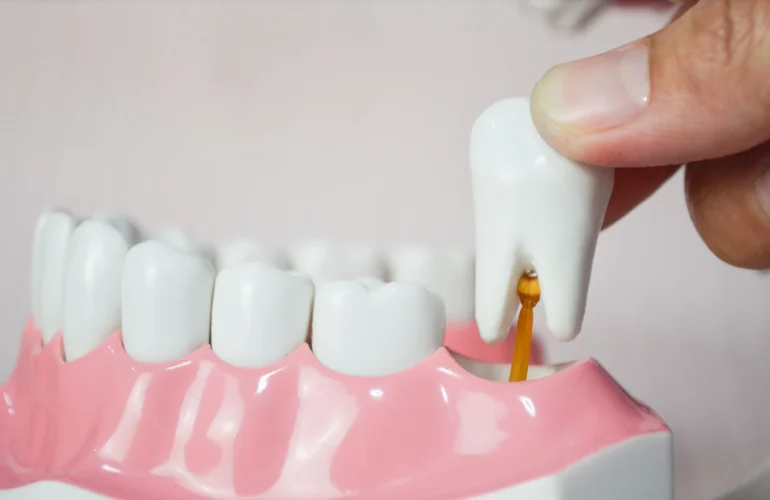

When your dentist tells you that you need a dental extraction, it’s natural to feel anxious and uncertain. The decision to save or remove a tooth is one of the most significant choices you’ll make for your oral health.
Understanding when a natural tooth can be preserved and when tooth removal becomes the healthier option is essential for making an informed decision about your dental care.
In this comprehensive guide, we’ll help you navigate the tooth extraction procedure and understand your treatment options, so you can make the best choice for your long-term oral health.
Key Takeaways
- Preserve when possible: Treatments like root canal therapy and dental crowns can save a natural tooth, helping prevent bone loss, tooth loss, and complications with neighbouring teeth.
- Extraction may be necessary: Teeth with severe decay, infection, trauma, or impacted wisdom teeth may require dental extraction to protect oral health.
- Follow proper aftercare: Following aftercare instructions supports healing and long-term gum health.
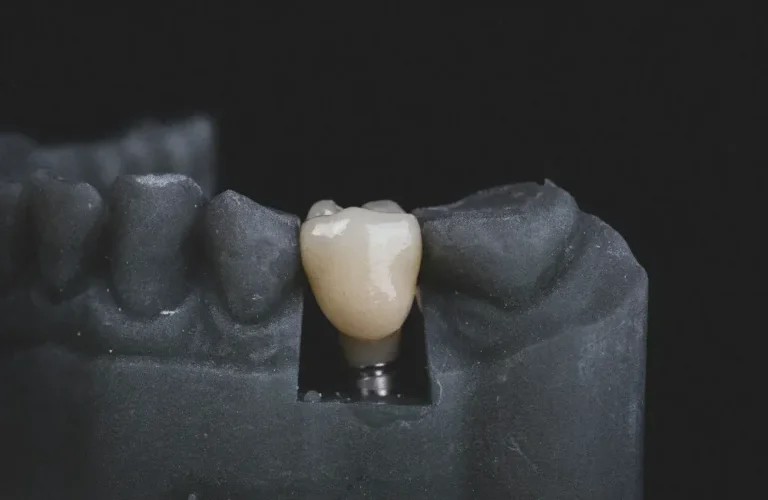
- Consider replacement options: Dental implants, partial dentures, or bridges help restore function, prevent bone loss, and maintain the alignment of upper teeth and neighbouring teeth.
Why Preserving a Natural Tooth Is Important
Whenever possible, dental professionals aim to save a natural tooth. Maintaining oral health by preserving permanent teeth helps prevent tooth loss, bone loss, and complications affecting neighbouring teeth.
Research shows that after a tooth extraction, the jawbone can lose up to 60% of its width and around 20% of its height within six months, which can affect the stability of nearby teeth. Additionally, keeping teeth visible enhances aesthetics and supports overall gum health.
Saving a tooth through treatments like root canal therapy or dental crowns helps keep the bone and surrounding teeth healthy.
Root canal treatment treats an infected pulp while saving the natural tooth, preventing the need for a tooth extraction. Similarly, dental crowns provide structural support to a damaged tooth, allowing patients to retain the entire tooth rather than undergoing tooth removal.
Patients with previous dental treatments should also discuss with their dental professional whether the affected tooth can be saved, as prior restorations may influence the treatment plan.
When Tooth Extraction Becomes Necessary
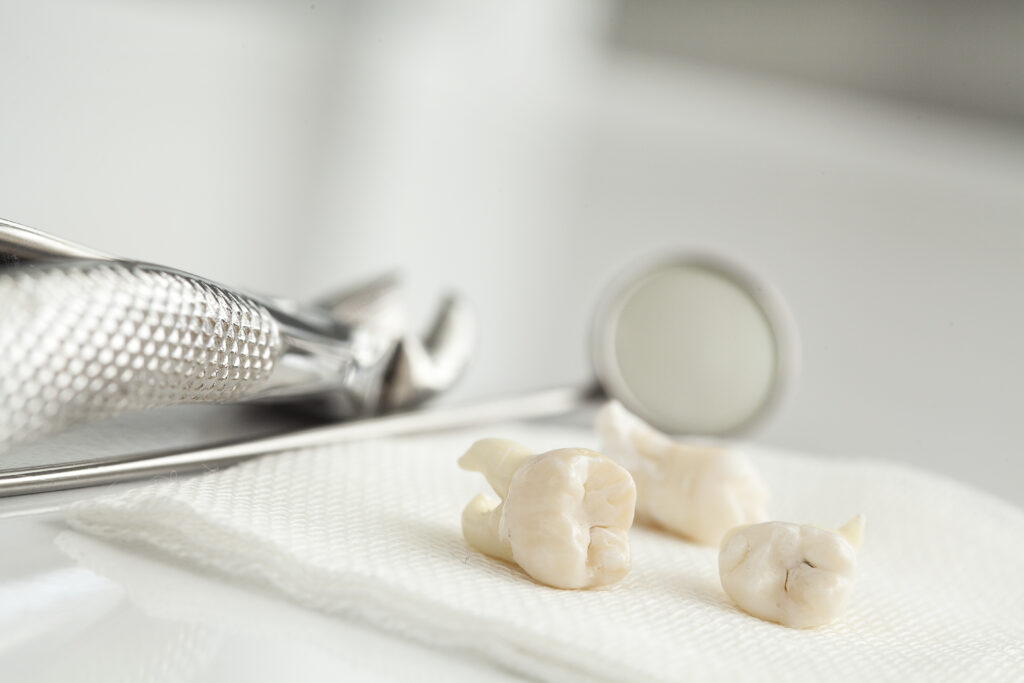
While preserving a natural tooth is ideal, there are situations where tooth removal is the healthier choice. Dentists may recommend removing a tooth when:
- Decay or damage is too severe to restore, such as when the tooth is extensively decayed, fractured beyond repair, or cannot support a crown or filling.
- Advanced gum disease has caused significant bone loss, resulting in loose or unstable teeth.
- A tooth infection cannot be resolved if root canal therapy isn’t suitable or if the infection keeps returning.
- A tooth is impacted or causing complications—commonly wisdom teeth that trigger pain, swelling, infection, or pressure on neighbouring teeth.
- Crowding affects proper alignment, and extraction is needed to create space for orthodontic treatment.
- Multiple teeth have been compromised by widespread decay or trauma and can no longer be preserved.
Dental extractions are also sometimes performed to prevent further complications such as tooth loss, infection spread, or excessive damage to adjacent teeth.
Dental professionals consider the patient’s oral hygiene, medical history, and overall health before recommending extraction.
Types of Tooth Extraction Procedures
Tooth extraction can be classified as a simple extraction or a surgical extraction:
- Simple Extraction: Performed on teeth that are visible in the mouth and can be accessed easily. The dental professional uses local anaesthesia to numb the area before gently removing the tooth from its socket.
- Surgical Extraction: Required for impacted teeth, teeth that have not fully erupted, or wisdom teeth that are positioned abnormally. This surgical procedure may involve cutting the gum tissue, removing underlying bone, or sectioning the tooth into smaller pieces for safe removal.
During both procedures, the dental professional ensures minimal trauma to the gum tissue and surrounding structures. In some cases, multiple teeth may need to be extracted during a single visit, depending on the patient’s needs.
The Tooth Extraction Procedure Step by Step
Tooth extraction is a common dental procedure, but understanding what to expect can help reduce anxiety and promote a smoother recovery.
- Assessment: The dentist evaluates the affected tooth along with the patient’s medical and dental history. X-rays may be taken to examine the tooth’s position, surrounding bone, and its effect on neighbouring teeth. This step ensures the procedure is safe and appropriate for the patient.
- Preparation and Anaesthesia: Local anaesthesia is applied to numb the extraction site, ensuring a comfortable and pain-free experience throughout the procedure.
- Tooth Removal: The dentist carefully loosens and removes the tooth from its socket while minimising trauma to surrounding tissues. This step focuses on safety, precision, and protecting adjacent teeth and gums.
- Post-Extraction Care: Patients are provided with detailed instructions for recovery. Key guidance includes managing pain, maintaining oral hygiene, eating soft foods, and avoiding actions that could disturb the blood clot. Proper aftercare reduces the risk of complications such as infection or dry socket.
- Healing and Follow-Up: Follow-up appointments allow the dentist to monitor healing, ensure proper blood clot formation, and address any issues promptly. This step helps support a smooth recovery and long-term oral health.
Disclaimer: Factors such as extraction complexity, gum health, and the patient’s medical history can affect healing time.
Post-Operative Care and Recovery
After extraction, swelling and discomfort typically peak within 24-48 hours. Most people feel significantly better within 3-5 days, and the complete bone healing takes 3-4 months.
For a smoother recovery and faster healing time, follow these tips:
- Do not disturb or dislodge the clot formed in the socket after extraction.
- Avoid using straws, spitting forcefully, or rinsing vigorously for at least 24 hours (or as advised by your dentist).
- Stick to soft, easy‑to-chew foods for the first few days, like yogurt, mashed potatoes, pasta, eggs, applesauce or lukewarm soups.
- Use prescribed or over‑the‑counter pain medication as recommended. If swelling occurs, cold packs (or ice compresses) on the outside of the cheek may help during the first 24–48 hours.
- Keep the mouth clean to prevent infection. After the first 24 hours (or when your dentist approves), gently rinse using warm salt water, being careful not to disturb the healing socket. Brush and floss other teeth as usual, but avoid brushing directly on or near the extraction site until it’s safe.
- Avoid heavy physical activity, lifting heavy objects, or vigorous exercise for at least 48–72 hours after extraction to reduce the risk of bleeding or clot disruption.
- Avoid smoking, alcohol, and hot/spicy drinks. Tobacco use, alcohol, or hot, fizzy or caffeinated drinks can interfere with healing, reduce blood flow, and increase the risk of a complication called dry socket.
- Watch for excessive bleeding, increasing pain after day 2 or 3, foul smell/taste, pus/discharge, swelling or fever. These may be signs of infection or dry socket and require prompt professional attention.
A proper recovery process ensures the gum tissue and underlying bone heal effectively, promoting long-term gum health.
Special Considerations

Certain situations require extra attention when planning tooth extraction. Understanding these factors can help patients prepare for the procedure and recovery.
Wisdom Teeth and Impacted Teeth
Impacted wisdom teeth are a common reason for extraction. These teeth may be trapped beneath the gum line, causing dental pain, gum disease, or misalignment of neighbouring teeth. Surgical extractions for impacted teeth require careful planning by an oral surgeon to minimise complications and preserve gum tissue and underlying bone.
Multiple Teeth Extractions
In some cases, one or more teeth may need to be removed due to severe tooth decay, trauma, or crowding. Following extraction, partial dentures or dental implants may be recommended to restore function and aesthetics, prevent bone loss, and support adjacent teeth.
Children and Baby Teeth
Baby teeth may require extraction if they are severely damaged or obstruct the eruption of permanent teeth. Early intervention can prevent future complications and support orthodontic treatment, ensuring proper alignment of the upper teeth and neighbouring teeth.
Replacing Extracted Teeth
Tooth removal may result in tooth loss, which can be addressed through restorative options:
- Dental implants: permanent replacements that mimic a natural tooth’s function.
- Partial dentures: removable replacements for one or more teeth.
- Bridges or crowns: support for adjacent teeth when an extraction site is present.
Replacing missing teeth not only restores your bite and smile but also helps maintain facial structure, prevents shifting of other teeth, and supports long-term oral function and comfort.
Take Control of Your Oral Health with Expert Dental Extraction
Deciding whether to save or remove a tooth is a critical step for your long-term oral health. While preserving a natural tooth is ideal, dental extraction may be the safer, healthier option to prevent pain, infection, or complications affecting other teeth.
At Elements Dental, our experienced team provides comprehensive dental extraction services, from simple extractions to surgical procedures for impacted or problematic teeth. Using advanced techniques and careful planning, we ensure minimal discomfort, effective healing, and long-term oral health.
Schedule a consultation with our dental professionals to discuss your options, receive a personalised treatment plan, and protect your smile for years to come.