If you’re considering a dental crown in Singapore, you’re probably wondering about the cost.
Typical market prices range from $950 to $1,600 for most crown types, depending on materials and complexity.
Good news for 2026: Starting mid-2026, seniors aged 60 and above will be able to use Flexi-MediSave to offset crown costs at CHAS-accredited clinics – on top of existing CHAS, Merdeka Generation, and Pioneer Generation subsidies.
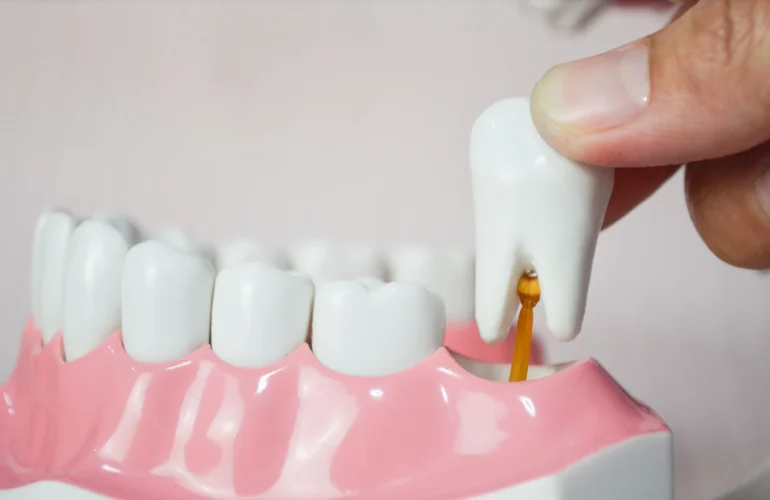
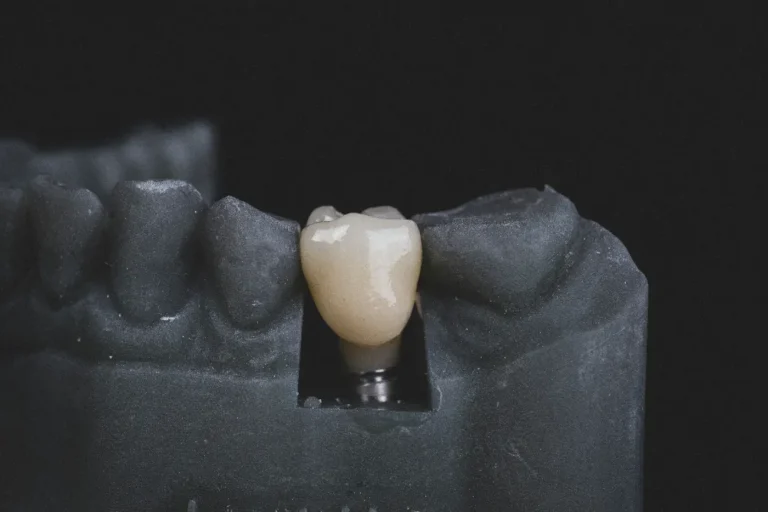
A dental crown is a tooth-shaped cap that restores a damaged or weakened tooth’s shape, strength, and appearance. Crowns may be needed due to decay, fractures, root canal treatment, or cosmetic concerns.
In this guide, we’ll cover the material options, government subsidies, the procedure, and tips for choosing the right clinic.
Key Takeaways
- Cost Expectations: Most crowns fall between $950–$1,600 in Singapore, with material choice driving price.
- 2026 Financial Benefits: Seniors 60+ may use Flexi-MediSave (up to $400 yearly) alongside CHAS subsidies.
- Subsidies Can Stack: Eligible patients can combine CHAS + Flexi-MediSave to reduce out-of-pocket expenses.
- Quality Matters: Investing in durable materials and experienced dentists ensures crowns last 15–20 years.
How Much Does a Dental Crown Cost in Singapore in 2026?
The cost of a dental crown in Singapore varies significantly based on the material you choose, the complexity of your case, and where you get treatment. Here’s a detailed breakdown of what you can expect to pay:
Price Ranges by Material Type
| Crown Material | Price Range (SGD) | Best For |
| Porcelain-Fused-to-Metal (PFM) | $756 – $1,800 | Balance of strength & aesthetics |
| All-Ceramic/Porcelain | $700 – $1,500 | Front teeth, natural look |
| Zirconia | $1,000 – $2,500 | Durability + aesthetics |
| E-max | $1,200 – $2,000+ | Premium aesthetics |
| Gold/Metal Alloys | $1,500 – $3,000 | Back teeth, maximum durability |
| Composite Resin | $950 – $1,250 | Budget option |
All prices are market ranges, including 9% GST; actual quotes vary by clinic and case complexity.
What Affects Your Total Cost?
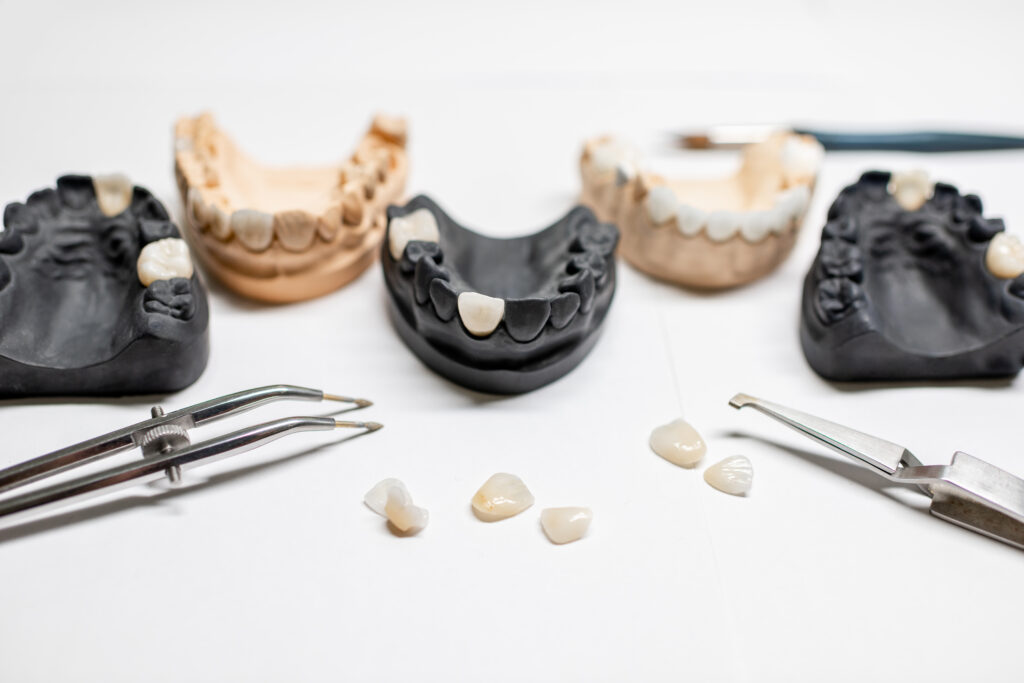
Understanding the factors that influence pricing helps you budget appropriately and make informed decisions:
- Material choice – Premium materials like zirconia and gold cost more but offer superior durability and aesthetics.
- Tooth location – Front teeth typically require more aesthetic materials (ceramic, zirconia), while back molars prioritise strength. Front tooth crowns often cost more due to aesthetic demands.
- Case complexity – If you need additional treatments before crown placement (root canal, gum treatment, tooth extraction), costs increase accordingly.
- Dentist expertise – Experienced prosthodontists or specialists may charge more, but their expertise often results in better outcomes and longer-lasting crowns.
- Laboratory fees – High-quality dental laboratories produce more precise, natural-looking crowns, which affects the final price.
- Number of crowns – Some clinics offer package discounts if you need multiple crowns. Always ask about multi-crown pricing.
Which Dental Crown Material Should You Choose?
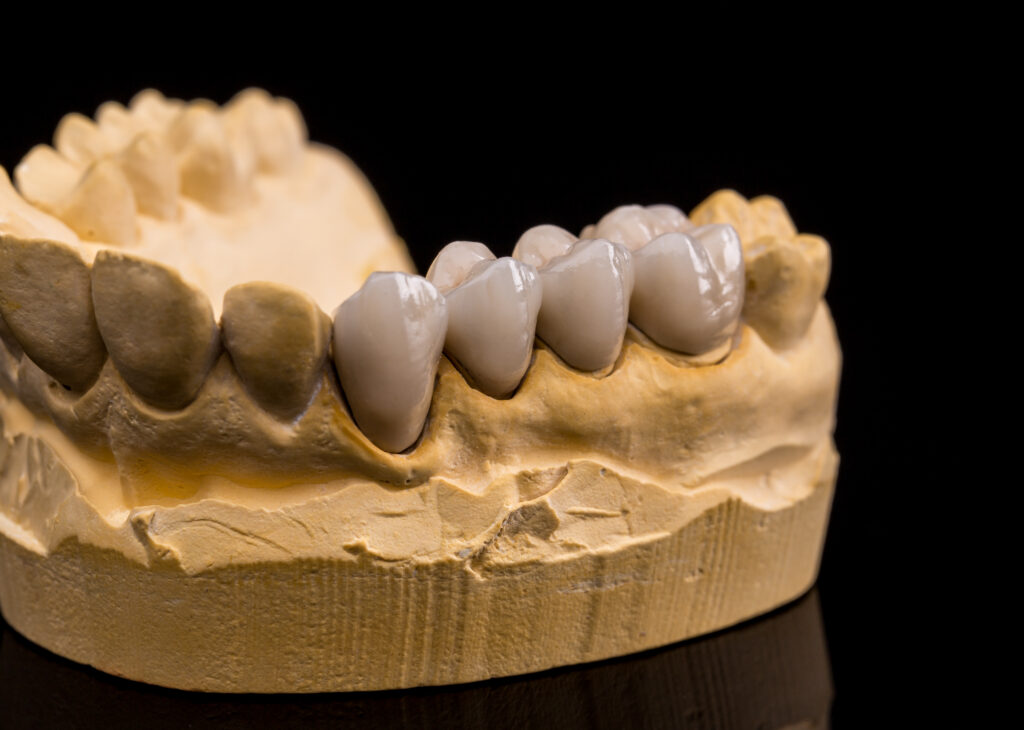
Choosing the right crown material is critical for both the longevity of your restoration and your satisfaction with the results.
Here’s a detailed comparison of the six main types available in Singapore:
Porcelain-Fused-to-Metal (PFM)
Pros: Good strength and reasonable aesthetics, more affordable than full porcelain, time-tested with decades of clinical success, suitable for both front and back teeth
Cons: A grey line may appear at the gumline over time, not suitable for patients with metal allergies, and may show more wear than all-ceramic options
Best for: Budget-conscious patients wanting a reliable balance between durability and appearance
All-Ceramic/Porcelain
Pros: Most natural-looking option that closely mimics real teeth, excellent colour matching capabilities, completely metal-free (biocompatible), no risk of allergic reactions, ideal for patients with metal sensitivities
Cons: Less durable than zirconia or metal for heavy chewing forces, not recommended for back molars in heavy grinders, slightly higher cost than PFM
Best for: Front teeth restoration where aesthetics are the top priority, patients with metal allergies
Zirconia Crowns
Pros: Exceptional strength rivalling metal crowns, natural tooth-like appearance, suitable for both front and back teeth, metal-free material, highly resistant to wear, chips, and fractures, long-term durability
Cons: Higher cost than PFM or basic ceramic, may be more difficult to adjust after final placement, requires a skilled technician for optimal aesthetics
Best for: Patients seeking the best balance of strength and aesthetics, heavy chewers who also want a natural appearance
E-max Crowns
Pros: Premium aesthetics with translucency similar to natural teeth, strong lithium disilicate ceramic material, requires minimal tooth reduction (preserves more natural structure), suitable for both anterior and posterior teeth, excellent bonding strength
Cons: Premium pricing tier, relatively newer material with less long-term data compared to traditional options
Best for: Patients who want to preserve maximum tooth structure, those prioritising premium aesthetics
Gold/Metal Alloys
Pros: Most durable option available (can last 20-30+ years or more), extremely gentle on opposing teeth, requires minimal tooth structure removal, proven track record spanning decades, virtually indestructible under regular chewing forces
Cons: Highly visible metallic appearance, most expensive option per crown, not suitable for front teeth due to aesthetics, limited availability as fewer patients choose this option
Best for: Back molars where function trumps appearance, patients who prioritise longevity above all else
Composite Resin
Pros: Most affordable option, can often be completed in a single visit, relatively easy to repair if damaged, acceptable aesthetics
Cons: Least durable material (prone to chipping and wear), may stain or discolour over time, typically needs replacement sooner than other options, often used as a temporary rather than a permanent solution
Best for: Temporary crowns, very tight budgets, or situations where longevity isn’t the primary concern
How to Choose the Right Material
Making the right choice depends on several factors:
- Front teeth: Ceramic, zirconia, or E-max provide the best aesthetics and will look most natural when you smile
- Back teeth: Zirconia or gold offer superior strength for the heavy chewing forces molars endure
- Budget-conscious: PFM provides a good compromise between cost, strength, and reasonable aesthetics
- Metal allergies: Ceramic, zirconia, or E-max are your only safe options—avoid PFM and metal crowns
Your dentist will assess your specific situation, including bite force, tooth position, aesthetic concerns, and budget, to recommend the most suitable material for your needs.
Can You Use MediSave, CHAS, or Insurance for Dental Crowns in 2026?
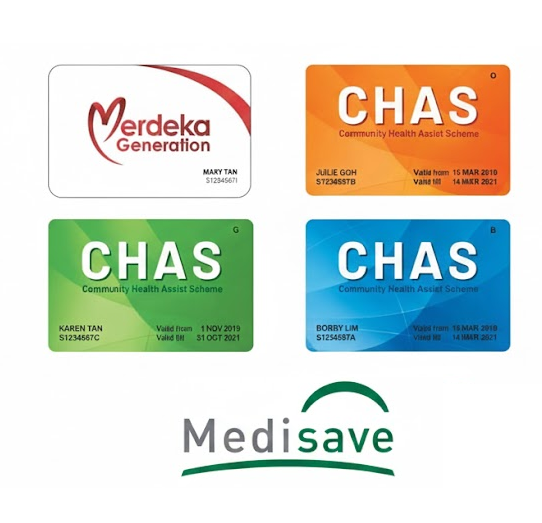
One of the most significant changes for 2026 is the expansion of government healthcare subsidies to cover dental crowns in Singapore. Here’s everything you need to know about financial assistance:
MAJOR 2026 UPDATE: Flexi-MediSave Now Covers Crowns starting mid-2026!
This is a groundbreaking policy change that makes dental crowns more accessible to Singapore’s ageing population.
What’s New:
- Starting mid-2026, seniors aged 60 and above can use their Flexi-MediSave funds for dental crowns
- Coverage of up to $400 per year can be used for permanent crowns and root canal treatments
- Treatment must be performed at CHAS-accredited dental clinics or public healthcare institutions
- This represents a major shift, as dental crowns were previously NOT claimable under any MediSave scheme
Who Qualifies:
- Singaporean citizens aged 60 years and older
- Spouses of eligible seniors can also benefit
- Must visit CHAS-accredited dental clinics
- Can use your own MediSave account or your spouse’s account
This policy recognises that dental health is integral to overall health, especially for seniors who often face multiple dental issues as they age.
To know more about Flexi-MediSave, read here.
CHAS Subsidies (Updated October 2025)
The Community Health Assist Scheme (CHAS) continues to provide valuable subsidies for dental crown procedures:
Per Crown Subsidy Amounts:
- CHAS Orange cardholders: $410 subsidy per crown
- CHAS Blue cardholders: $615 subsidy per crown
- Merdeka Generation cardholders: $620 subsidy per crown
- Pioneer Generation cardholders: $625 subsidy per crown
Important Limitations:
- A maximum of 4 permanent crowns per calendar year can be subsidised
- Subsidies can be combined with Flexi-MediSave for eligible seniors aged 60+
- Must visit CHAS-accredited dental clinics to claim subsidies
- Subsidies are applied directly at the point of treatment
For example, if you’re a 65-year-old CHAS Blue cardholder, you could receive $127.50 CHAS subsidy PLUS use up to $400 from Flexi-MediSave, significantly reducing your out-of-pocket costs.
Dental Insurance Coverage
Private dental insurance coverage for crowns varies considerably depending on your policy:
Typically Covered:
- Crowns necessitated by accidents or injuries (under accident insurance policies)
- Crowns that are done to protect a tooth after a root canal
- Partial coverage under comprehensive corporate dental plans
- Emergency dental treatment requiring crowns
Usually NOT Covered:
- Crowns are performed for purely cosmetic reasons
- Routine restorative work is not deemed medically necessary
- Treatment at non-panel clinics (for panel-based insurance plans)
Tip: Always verify your specific coverage with your insurance provider or HR department before proceeding with treatment. Get written confirmation of what’s covered and any co-payment requirements.
Do You Need a Dental Crown? Common Reasons
Understanding when a crown is necessary helps you make informed decisions about your dental health. Your dentist may recommend a crown if you’re experiencing any of these situations:
- Large cavities: When a cavity affects most of the tooth structure with too little of the natural tooth left to hold a filling, a dental crown is the best option. A crown provides complete coverage and protection.
- Fractured or cracked teeth: Teeth with cracks are at high risk of splitting completely. A crown holds the tooth together and prevents further damage.
- After root canal treatment: Teeth that have undergone root canal therapy become brittle and prone to fracture. A crown protects the treated tooth and extends its lifespan.
- Severely worn teeth: Bruxism (teeth grinding) can wear down enamel significantly over time. Crowns restore the proper height and protect remaining tooth structure.
- Cosmetic concerns: Severely discoloured, misshapen, or poorly formed teeth can be dramatically improved with crowns.
- Dental implant coverage: When replacing missing teeth with implants, a crown is attached to the implant post to serve as the visible, functional tooth.
- Support for dental bridges: Crows can anchor a dental bridge, holding it securely in place and restoring missing teeth.
- Traumatic damage: Teeth damaged in accidents, sports injuries, or falls often require crowns to restore function and appearance.
- Weakened teeth: Large old fillings can weaken the surrounding tooth structure. Before the tooth breaks, a crown provides reinforcement.
What to Expect: The Dental Crown Procedure
Understanding the crown placement process helps alleviate anxiety and allows you to plan accordingly. Here’s what happens at each stage:
Visit 1: Preparation (1-2 hours)
Your first appointment involves several important steps:
- Examination and X-rays: Your dentist takes comprehensive X-rays to assess the tooth, root, and surrounding bone structure. A treatment plan is developed and discussed with you.
- Numbing: Local anaesthesia is administered to ensure complete comfort throughout the procedure. You’ll feel pressure but no pain.
- Tooth preparation: Any decay or damaged tooth structure is removed. The tooth is then carefully reshaped to accommodate the crown, typically requiring about 1mm of reduction around all surfaces.
- Impression taking: Modern clinics use digital intraoral scanners for quick, comfortable impressions. Some practices still use traditional putty-like impression materials.
- Temporary crown placement: A temporary crown made of resin or acrylic is placed to protect your prepared tooth while the permanent crown is fabricated in the dental laboratory.
Visit 2: Crown Placement (30-60 minutes)
Timeline: Typically 1-2 weeks after your first visit
Your second appointment is usually quick and straightforward:
- Remove temporary crown: The temporary crown is gently removed, and the tooth is cleaned.
- Try the permanent crown: Your dentist places it to check the fit, colour match, and how it feels when you bite down.
- Make adjustments: If needed, the crown is adjusted for optimal fit and comfort. This might involve minor reshaping.
- Permanent cementation: Once everything is perfect, the crown is permanently bonded or cemented to your tooth using dental adhesive.
- Final bite check: Your dentist ensures your bite is comfortable and makes any final adjustments.
Is the Procedure Painful?
Many people worry that getting a crown will hurt. The good news is that it’s usually much more comfortable than expected.
In a 2025 study of 300 patients, over 99% were satisfied with comfort, chewing, and their overall experience after receiving a crown or bridge.
In an overview, here’s what patients can expect in terms of pain during a dental crown procedure:
- During the procedure: No pain at all. Local anaesthesia completely numbs the area. You’ll feel pressure and vibration but no sharp pain.
- After the procedure: Mild sensitivity or soreness for a few days is completely normal as your tooth and gums adjust to the new crown.
- Pain management: Over-the-counter pain relievers such as paracetamol or ibuprofen are usually sufficient for post-procedure discomfort.
Overall, patients may find this procedure very manageable, with most experiencing only minor discomfort that eases quickly.
How to Choose a Dental Clinic for Your Crown
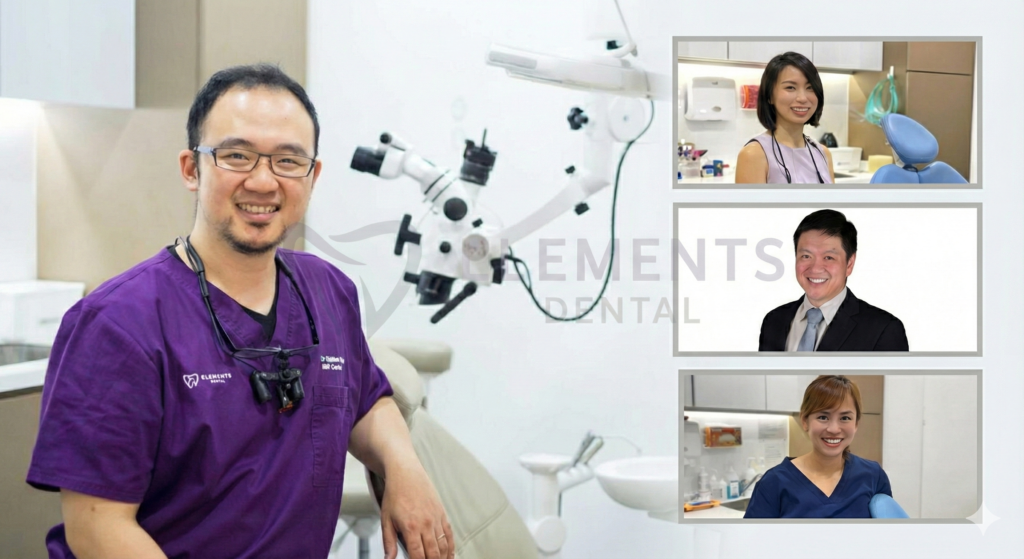
Selecting the right clinic can make a huge difference in comfort, durability, and overall satisfaction. Here’s a concise guide to help you choose well — and why Elements Dental stands out as a trusted option.
Before committing to any clinic, ensure they meet these essentials:
- CHAS Accreditation: Important if you plan to use CHAS subsidies for your crown.
- Flexi-MediSave Approved: Especially relevant for seniors (60+) using Flexi-MediSave in 2026.
- Strong Crown Experience: Confirm the dentist’s experience with restorative procedures and their use of reliable techniques to achieve better results.
- Modern, Updated Technology: Clinics that maintain updated technology and strict hygiene protocols help ensure safe, precise, and efficient treatment.
Elements Dental checks all these boxes and is known for its patient-focused approach and high-quality restorative work.
Your Next Steps to Getting a Dental Crown in Singapore
Understanding the cost of a dental crown in Singapore can help you make informed decisions about your oral health.
To move forward, compare 2–3 CHAS-accredited clinics, check your CHAS and Flexi-MediSave eligibility if you are 60+, and review quotes carefully, considering materials, dentist experience, and warranty.
Prioritise quality over the lowest price, ask questions before committing, and maintain good oral hygiene for long-term results.
Ready to restore your smile?
Schedule a consultation with Elements Dental to explore your treatment options and receive clear, transparent guidance.