
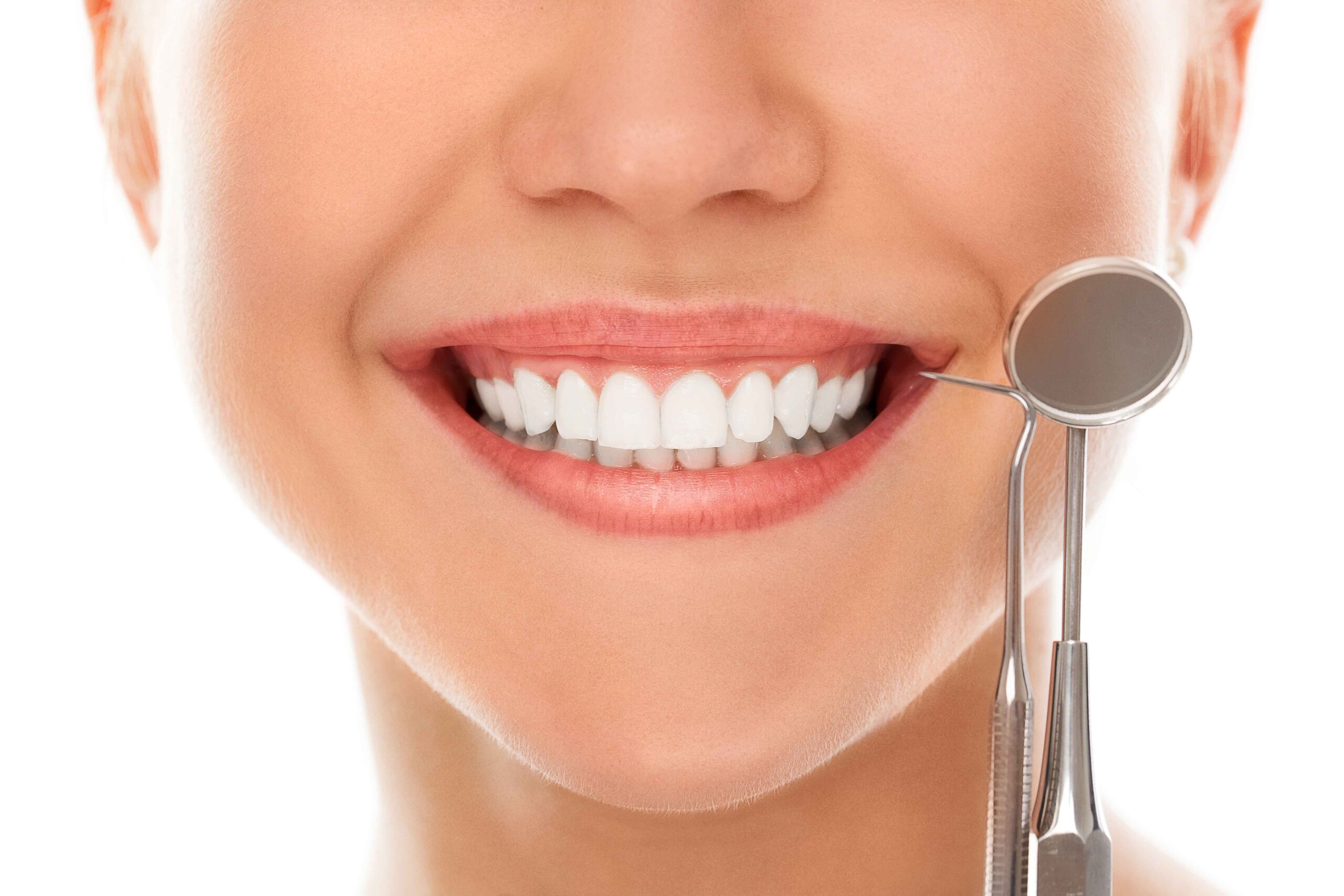
What is Smile Makeover?
A smile makeover is a customised combination of dental treatments, including cosmetic dentistry, orthodontics, and restorative dentistry, designed to dramatically enhance dental aesthetics.
This personalised treatment addresses diverse concerns, including discolouration, misalignment, gaps, chipped teeth, and missing teeth. Through comprehensive smile design, dentists evaluate existing tooth color, teeth alignment, facial symmetry, tooth length, proportions, and the smile line, then, based on these characteristics, give each patient their own unique smile.
The ultimate goal is to create a harmonious, natural-looking smile that complements the patient’s unique facial features.
The ideal candidate is anyone seeking to improve their smile’s appearance while ensuring their teeth and gums are healthy. A smile transformation is a significant boost to the patient’s overall facial harmony. Through this smile enhancement, a patient undergoes a dental makeover that transforms, not just their smile, but also how they go about daily life.
With careful consideration and planning, we aim to create a straighter, whiter and beautiful natural looking smiles to give you more reasons to smile.

Comprehensive Smile Makeover Treatment Options


Tooth Reshaping (Enameloplasty)
Our teeth naturally undergo physiological wear and tear over time, which may affect how they look. Sometimes all it takes is subtle touch-ups to rejuvenate them.
Tooth reshaping is a fundamental procedure in smile design, effectively addressing minor imperfections to enhance the overall appearance of your smile. It corrects minor imperfections by removing small amounts of tooth enamel. It is a simple and fast way to smooth out small chips, rough spots or uneven edges to create a symmetrical smile.
Dental Bonding and Tooth-Coloured Fillings
Dental bonding and tooth-coloured fillings are essential components of smile makeovers, restoring damaged or decayed teeth to their natural form and function while enhancing your smile’s aesthetics. Using a tooth-coloured composite resin, the material is applied, shaped, and polished to repair areas affected by decay, chips, wear, or minor gaps—resulting in a natural-looking finish that blends seamlessly with your existing teeth.
This can be paired with tooth reshaping in situations where there is more loss of tooth enamel. In general, fillings and bonding are commonly used to restore or rebuild small-to-moderate areas of tooth structure, while veneers may be recommended when you’re looking to address more comprehensive cosmetic changes across the front surface of the teeth.
Gum Recontouring (Gingivoplasty)
Gum recontouring, also known as gingivoplasty, is a specialized procedure in smile design that addresses uneven gum lines or “gummy smile” concerns by gently reshaping excess gum tissue. This helps create a more even and aesthetically pleasing gum line, improving the overall balance of your smile.
By refining the gum line, gum recontouring enhances the tooth-to-gum proportion, making teeth appear more symmetrical and properly proportioned for a more harmonious smile.
Dental Veneers
Veneers are thin, custom-made shells carefully crafted to cover imperfections such as discolouration, gaps, chips, or misshapen and misaligned teeth. They create a seamless and natural look, and are a good option for correcting cosmetic concerns because they can be designed to match the colour and shape of your natural teeth, as well as to close existing gaps.
Veneers can be made from different materials, such as porcelain veneers or composite veneers. Porcelain veneers are known for their durability and lifelike finish, while composite veneers can be shaped and refined directly on the tooth in a more conservative manner for selected cases. We specialise in minimally-invasive dental veneers that are custom-made to fit your teeth, improving the appearance of your smile without the need for extensive treatment. For porcelain veneers, treatment is typically completed in just over two to three visits.
Teeth Whitening
Teeth can become stained over time due to various factors such as ageing, excessive consumption of dark-coloured foods and beverages like coffee and red wine or simply due to poor oral hygiene practices. Teeth whitening is a safe and efficient procedure to achieve a more aesthetically pleasing smile. It is a fast and effective option for brightening natural teeth.
Professional whitening treatments, including the use of specialised whitening gel and in-office (or chairside) procedures, are often part of a comprehensive smile makeover as these methods provide clear and visible results.
Dental Crowns, Bridges and Implants
Dental crowns are especially beneficial for damaged or weakened teeth, as they can cover teeth with large fillings and help protect them from further damage. Dental bridges are used to replace one or more missing teeth by filling the gap and restoring your bite, while dental implants provide a permanent tooth replacement option by replacing both the tooth and its root for long-term stability.
Dental prosthesis plays a vital role in enhancing your smile by restoring your teeth’s health, function and appearance—helping you chew and speak properly again while giving you a beautiful and confident smile.
Orthodontic Treatments (Invisible Aligners / Braces)
Invisible aligners provide an alternative to traditional metal braces for straightening teeth that is removable and more comfortable. As part of a total smile makeover and smile design plan, clear aligners (such as Invisalign) can help correct misalignment, crowding, and spacing, creating a more balanced and aligned smile.
They offer a high level of convenience and comfort, and the aligners are practically invisible—making them a discreet option for many patients. Not all teeth are moved at the same time, which provides greater control than regular braces.
For cases that require more complex tooth movement or more predictable control, metal braces may be recommended. Braces work by applying steady pressure to gradually move teeth into better alignment and can be suitable for correcting a wider range of bite and alignment concerns.
Orthodontic treatment may also be recommended as part of a comprehensive smile makeover plan, especially when improving tooth positioning helps support longer-lasting aesthetic results.
Understanding Your Options: Braces vs Veneers
Dental veneers and orthodontic braces are two popular choices when it comes to improving your smile. While both can address concerns like uneven-looking teeth and spacing, they do so in very different ways—because they serve different purposes.
Braces (including metal braces) or invisible aligners are primarily used for structural teeth alignment. They gradually shift teeth into their proper position by applying controlled pressure over time. This helps correct common orthodontic issues such as crowding, gaps, crooked teeth, and bite problems (for example, overbite, underbite, crossbite, or open bite). In addition to enhancing appearance, orthodontic treatment can also improve how your teeth fit together for better function.
Veneers, on the other hand, are designed for cosmetic enhancement. They are thin, custom-made shells that cover the front surface of teeth to improve concerns such as discolouration, chips, worn edges, minor gaps, or irregular tooth shape. Veneers can also help improve the appearance of mildly misaligned teeth, but they do not physically move teeth like braces or aligners do.
A common question we receive is: “Can veneers effectively fix crooked teeth, or are braces the more suitable option?” The answer depends on the cause and severity of the concern. Some patients may benefit from both treatments in sequence—for example, orthodontic treatment first to align teeth and improve bite, followed by veneers to refine tooth shape, colour, and overall symmetry.
Situations where a dental veneer may be the best solution:
- Chipped or cracked tooth or teeth
- Discolored tooth or teeth
- Teeth that are worn down
- Irregularly shaped teeth (e.g., teeth that are smaller or have an abnormal shape)
Situations where braces or invisible aligners may be the best solution:
- Bite misalignment: overbite, underbite, open bite, or crossbite
- Gaps in between teeth or spaced teeth
- Top and bottom teeth don’t meet in the front or back properly
- Crooked or crowded teeth
Other functional issues such as pain or difficulty chewing or biting
Because every smile is different, the most suitable option is best determined through a personalised consultation, where we assess your bite, tooth alignment, and aesthetic goals before recommending the right approach for your smile makeover plan.
The Smile Makeover Process at Elements Dental
A smile makeover can be as quick and easy as five steps:
Step 1: Consultation and Assessment
The process begins with a thorough clinical examination, during which the dentist evaluates your current oral health and discusses your aesthetic goals. This stage is crucial for identifying any underlying issues—like gum disease or decay—that must be resolved before cosmetic work begins.
At this stage, the dentist takes an impression of your teeth. Or, in our case, a 3D intraoral scan.
Step 2: Digital Smile Design (DSD) and Treatment Planning
With the patient’s dental impressions, the dentist uses dental software to design the patient’s ideal smile. This produces a digital mockup that shows the predicted outcome before any treatment or procedure is performed.
The dentist presents this to the patient and gathers their thoughts, noting any changes they wish to make.
Step 3: Smile Trial (The “Mock-up”)
Before committing to permanent changes, a temporary “trial smile” is created using composite resin.
Patients wear this mock-up in their mouths to experience what their teeth and bite will be like after the smile makeover. The patient provides input, and the dentist notes the potential adjustments.
Patients may undergo multiple smile trials until they get the one that looks and feels right.
Step 4: Treatment Phase
Once the design is finalised, the actual clinical procedures take place.
This could be an orthodontic, restorative, or cosmetic procedure, such as veneers. Each type of procedure will have its own steps and phases involved. The timeline for the treatment phase also differs, depending on the patient’s unique case.
Step 5: Review and Aftercare
After the final restorations are fitted, a follow-up appointment is scheduled to check your bite (occlusion).
The dentist provides specific aftercare instructions, such as wearing a nightguard to maintain your new smile.
Why Choose Elements Dental for Your Smile Makeover and Design?
A beautiful smile is the first thing that anyone sees when they meet you. A smile makeover can be beneficial for many reasons, including:
- Improved oral health – A smile makeover can address dental issues like misaligned teeth, decay, and wear.
- Increased confidence – Help you feel more confident and comfortable in social situations.
- Better appearance: A smile makeover can improve the aesthetic of your teeth, making them look more uniform and pleasing.
At Elements Dental, our mission is to redefine the dental experience, making it simple, comfortable and focused on achieving desired results. Regarding dental veneers, our dentists use evidence-based methods to create a perfect balance between function and aesthetics. Our team is always on hand to answer your questions and guide you through every step of your treatment. No two individuals and no two smiles are alike. Each smile is a work of art with its own intricacies and personality. We approach smile makeovers with this philosophy in mind, to deliver personalised care and utmost attention to detail.
If you want to improve your smile with dental veneers or explore other treatments, Elements Dental is here to help you achieve the smile you desire.
Smile Makeover Cost in Singapore
Smile makeover cost can range in cost. It can be as simple as a gingival reduction, in which case, can cost as low as SGD100. However, for patients with missing teeth, crooked teeth, and underlying oral problems that cosmetic procedures alone can’t fix, smile makeover can cost a couple thousand SGD.
The following factors can affect smile makeover cost in Singapore:
- Complexity of the case
- Dental specialisations involved (e.g., orthodontic, restorative dentistry, etc.)
- Materials used for the restoration (e.g., dental fillings, crowns, braces, etc.)
- Number of visits required
It’s crucial to note that smile makeover is generally a cosmetic procedure, and as such, won’t likely be covered by insurances and government subsidies.
However, there are some overlapping procedures between general dentistry and smile makeover. These include:
- Dental fillings
- Dental crowns and bridges
- Some insurances cover orthodontics for children under 18
Here at Elements Digital, we’re always upfront about the estimated cost of your treatment plan. We’re a flexible dental clinic, so whatever your financial capacity, we can tailor a treatment and plan that accommodates your budget.
Maintaining Your Smile Makeover Results
Follow your dentist’s advice. Your dentist will advise dental care tips, depending on your unique case and treatment. Be sure to follow this prescription to ensure your smile makeover doesn’t quickly wear down.
Uphold proper oral hygiene. Your smile makeover can be quickly undone by poor hygiene. When you’re brushing, make sure you’re covering all surfaces, including your back teeth. Also, be sure to floss, as a lot of food can’t be brushed off by just brushing. This is proper smile maintenance.
Protect against mechanical stress. Your teeth can shift gradually over time due to prolonged stress and applied forces. As such, avoid biting off packages and tape. Wear a night guard if you grind your teeth at night. If you participate in combat sports, wear a mouthguard.
Watch what you eat. Certain foods, like wine, coffee, and sodas, can stain your teeth, causing them to discolour. Reduce your intake of this food, and if you must indulge, brush your teeth properly.
Smoking Cessation. Smoking is a leading cause of gum disease and tooth discolouration. To maintain your vibrant smile (and with fresh breath to boot), it is highly recommended to avoid tobacco products.
Smile Makeover FAQs
For relatively simple procedures such as teeth whitening or tooth reshaping, the process can often be completed in a single visit. If your makeover includes orthodontics, it may take years to achieve the final smile.
For treatments that require adjusting the natural tooth structure, such as prepping for crowns or veneers, local anaesthesia is used to ensure the area is completely numb and the sensation is neutralised.
Teeth whitening can be uncomfortable because the bleaching agents penetrate the enamel to reach the dentin. This causes sensitivity for some patients. To help with the sensitivity, your dentist may recommend using sensitive toothpaste or other creams to offer relief.
If orthodontics is involved, patients can experience mild yet tolerable discomfort throughout their orthodontic plan, since these procedures involve moving teeth.
Through Digital Smile Design (DSD) technology, your dentist can create a mockup of how you’ll look with your new smile. Patients can also opt for a trial smile, which is a temporary mock-up placed over their existing teeth. This physical preview lets you see and feel the proposed tooth shapes in your mouth.
The average lifespan of smile makeover components varies, and individual factors can impact the longevity of the treatment. These factors are listed below:
- Maintenance: Proper oral hygiene can help to prevent decay and gum disease. Avoiding smoking and excessive alcohol can also help prolong your smile makeover. Schedule regular visits to your dentist for a check up and cleaning to ensure you are on top of things.
- Type of procedure: The lifespan of a smile makeover can vary depending on the type of dental procedure done. For example, tooth whitening treatments usually last six months to two years before it needs to be repeated, while veneers can last 10-15 years with proper care.
- Individual factors: Individual factors can also affect how long your smile makeover lasts. For example, if you have crooked or misshapen teeth, these conditions can affect the lifespan of your smile makeover. Teeth grinding or clenching may also impact the longevity of your results.
Dental veneers are a cosmetic procedure, so you don’t need to get braces before getting fitted for veneers, but it’s a good idea. Since veneers impact your bite, your teeth should be in the correct position before getting them. Starting with straighter teeth makes it easier to get the results you’re looking for with veneers. It is also a more conservative option as it will minimise the need to shave and adjust your teeth prior to veneers.
While you can technically get veneers as soon as your orthodontic treatment is done, the general advice is to wait 3 – 6 months. This gives your teeth time to settle into their new position and for your gums to heal properly.
In general, invisible braces work just as effectively as metal braces. Invisible braces can be more effective in some cases as they are less noticeable and way more comfortable than metal braces. This encourages patients to stick with their treatment plan for as long as needed. This can also be beneficial for people who are self-conscious about their teeth or want to avoid the “metal mouth” look that comes with traditional braces.
Additionally, the invisible aligners can be removed for eating and brushing, lowering the risk of food getting stuck in your teeth and causing cavities.